The Martin Sheen

DSC_0096.JPG

While fishing in Port McNeill last week I noticed an interesting sailboat glide into the marina. I like checking out boat names, mostly because a lot of them seem silly to me, and this was no exception. The Martin Sheen.

I’m used to names like “It’s a Fisher”, or “Finally” or the “Santa” something. But this was the first boat I had seen that was named after a celebrity. It was a big, fancy boat too so it didn’t seem like a joke. The vessel had a tiny pirate flag and a carved wooden mermaid at the bow. I thought it was interesting enough to take a couple of photos.

DSC_0097.jpg

This morning when I checked my instagram feed as I do when I wake up, I saw the exact same boat turn up on the page of a very popular National Geographic photographer who I followed recently. What a coincidence! Here’s the post:


So this must have been happening right around the same time we were there fishing. It turns out the boat is a research vessel owned by the Sea Shepherd organization and was named after their longtime benefactor, you guessed it: Martin Sheen himself.

Kinda neat, right?

Fishing Trip to Port McNeill, BC

DSC_0002.jpg

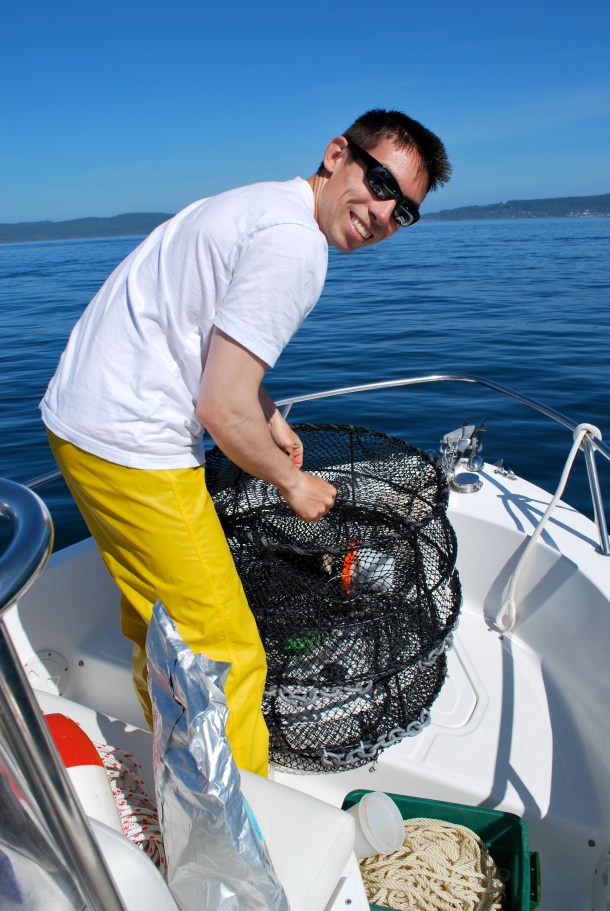
Getting the prawn trap ready to drop

I’ve always loved fishing, but it’s only been in the past few years that I’ve been introduced to ocean fishing. This is all thanks to my lovely boyfriend who comes from a very skilled fishing family.

As he is currently visiting from his journalist post up in Nunavut, we decided to try to get ourselves a fishing trip in. A quick 5 hour drive north to Port McNeill and we were all set to go.

DSC_0055.jpg

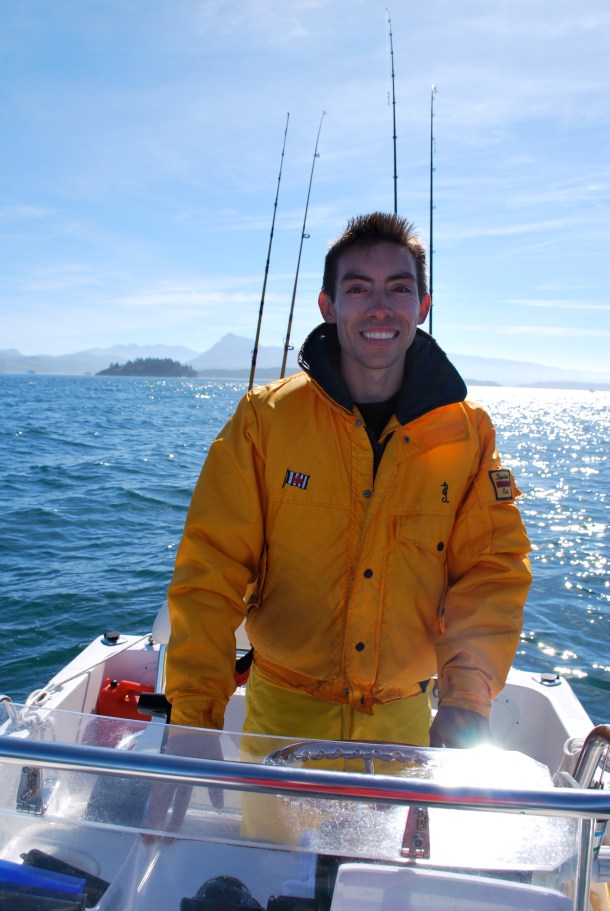
Handsome ship’s captain

We’ve fished before around Nanoose Bay and we always have good luck. We generally pull up rockfish, greenlings and small lingcod with the occasional salmon or sea cucumber. We also usually set prawn and crab traps which do well and once even nabbed us an octopus.

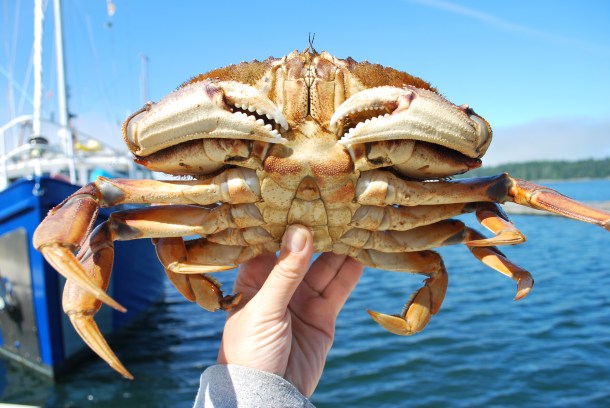
Fishing up north is a bit different. We had to try a lot of spots in order to get any nibbles and prawning was a  no-go, except for the dozen or so good-sized whelks that came up. We like those kinds of surprises though and I plan to try to use them in a tasty chowder. Crabbing was hit or miss, but when we hit we really hit. We easily pulled in our limit of two male Dungeness each per day and they were the biggest crabs I’ve seen, many dwarfing our crab calipers.

DSC_0047.JPG

One of our whelks

DSC_0051.JPG

Big male Dungeness crab

Once we found a good spot, we started pulling up yellowtail and quillback rockfish by the half-dozen. The majority were released and we kept our limit of one each. Nice big fat fish that made up our dinner that first night. Yum!

DSC_0007.JPG

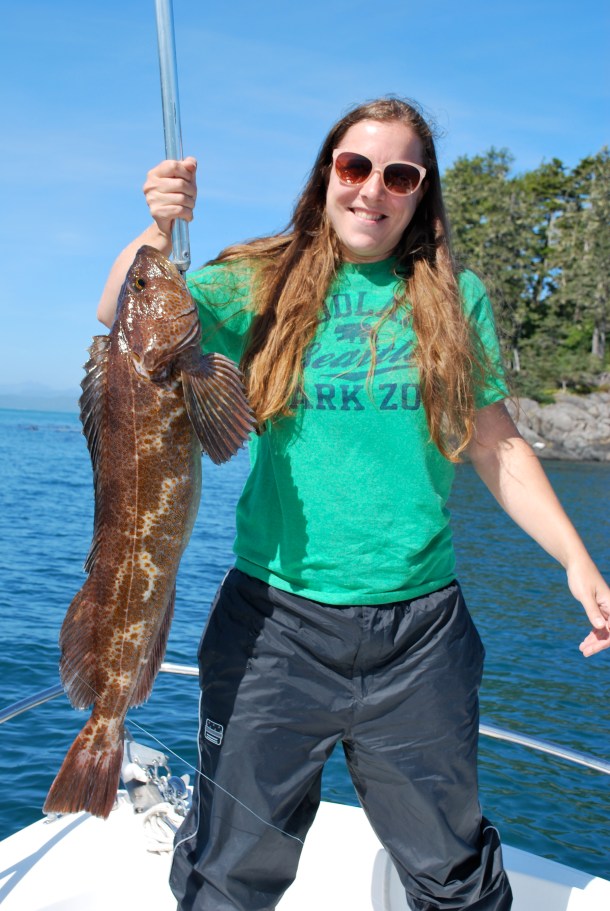
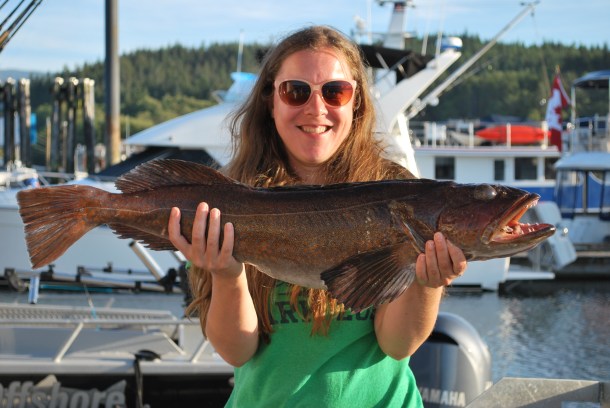
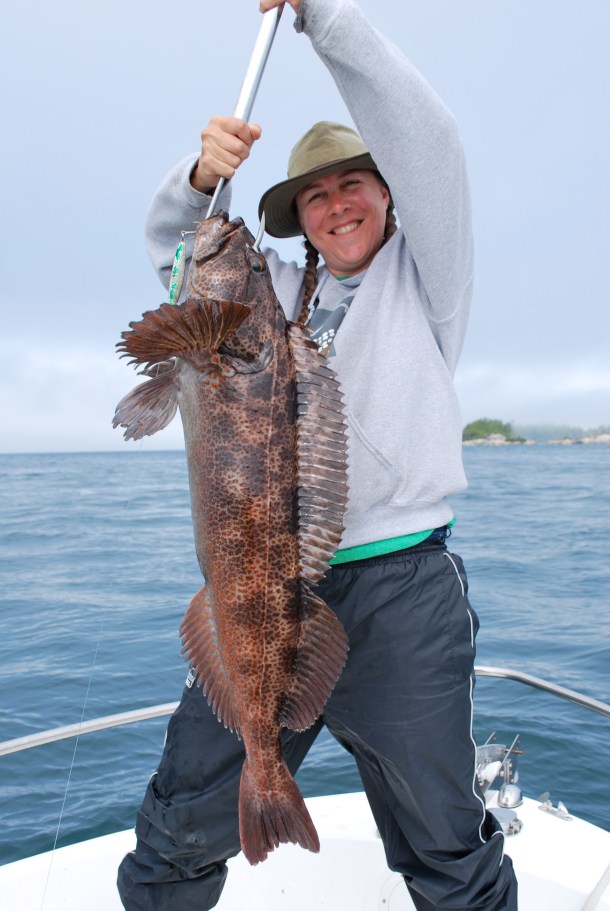
Once we found the rockfish, we found the big lings lurking underneath. I’ve caught plenty of small lings before but was shown the fight of my life with my first monster. He stuck himself against an underwater cliff face and wouldn’t budge. It took me almost an hour to land him and I estimate he was around 17 pounds. It felt like I was fighting my dog at the end of the line!

DSC_0011.jpg

DSC_0022.JPG

Little did we know that that would be the smallest ling we would take home this trip. The next one was even larger and came up in record speed, I think it was about ten seconds. My boyfriend gaffed him expertly and not five casts later there was another monster at the end of my line. You know you have a big fish when you think you’re snagged on the rocks at first tug! This one gave me a bit more of a fight but didn’t stand much of chance with no cliffside to jam himself into. Humpback whales spouted nearby on their way through the passage to their feeding grounds as we dragged him into the boat, easily a 22 pound fish and as long as my leg. My new record!

DSC_0109.jpg

DSC_0082.JPG

Humpback whales feeding

DSC_0119.JPG

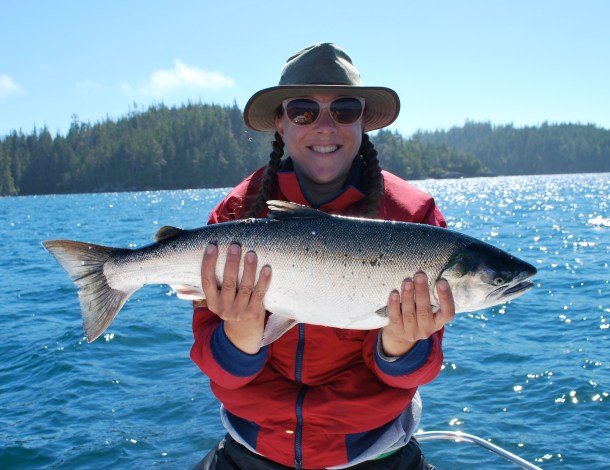
Of course we also trolled for salmon. It hasn’t been a great year here for salmon and this was fruitless for the most part until we tried it in the passage where the humpbacks were traveling. The fish finder was chock full of blips and after about 15 minutes we got our first hit. Another super fast play and we had a great big beautiful coho in the boat. He was hooked through the eye so I don’t think he had a lot of fight left, we got him within about 30 seconds or so. It was the only salmon we got but still a really nice, fat fish that will turn into a lot of tasty meals.

DSC_0113.JPG

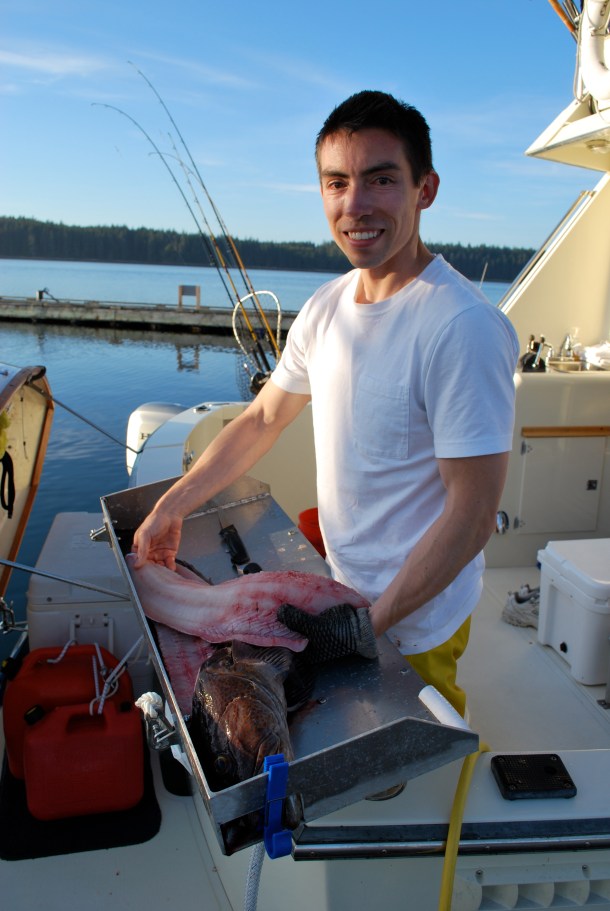
We also got to enjoy viewing some pacific white-sided dolphins playing in the rip tides and coming quite close to our boat, as if asking us to play with them. Our evenings consisted of my boyfriend professionally cleaning and filleting all our fish and crabs, trading some of our ling steaks for some delicious fresh smoked salmon another fishing couple had prepared, and being rocked to sleep by the gentle waves. I want to go back already!

DSC_0033.jpg

Expert fish cleaner

DSC_0043.JPG

Gorgeous lingcod fillets


How Much Honey is in a Single Frame?

DSC_0001.JPG

I never realized how much honey a single beehive can produce!

Just from one deep frame harvested yesterday using the crush and strain method, I got a total of over 5.5lbs of honey! That’s even after all the honey I managed to eat yesterday during the straining process.

DSC_0002.jpg

Blocking out the sun

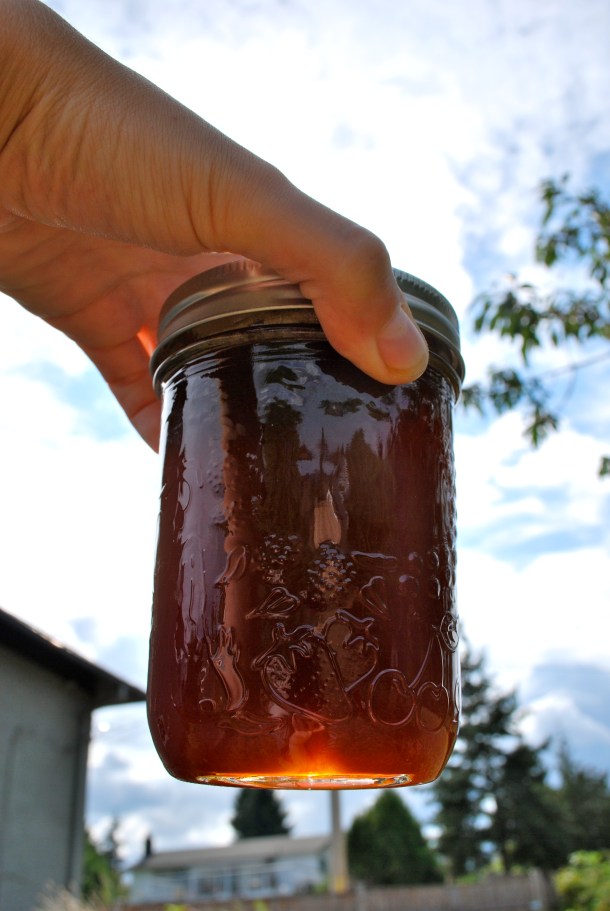
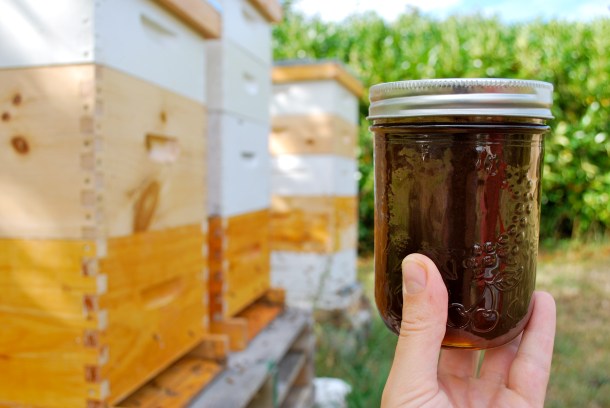
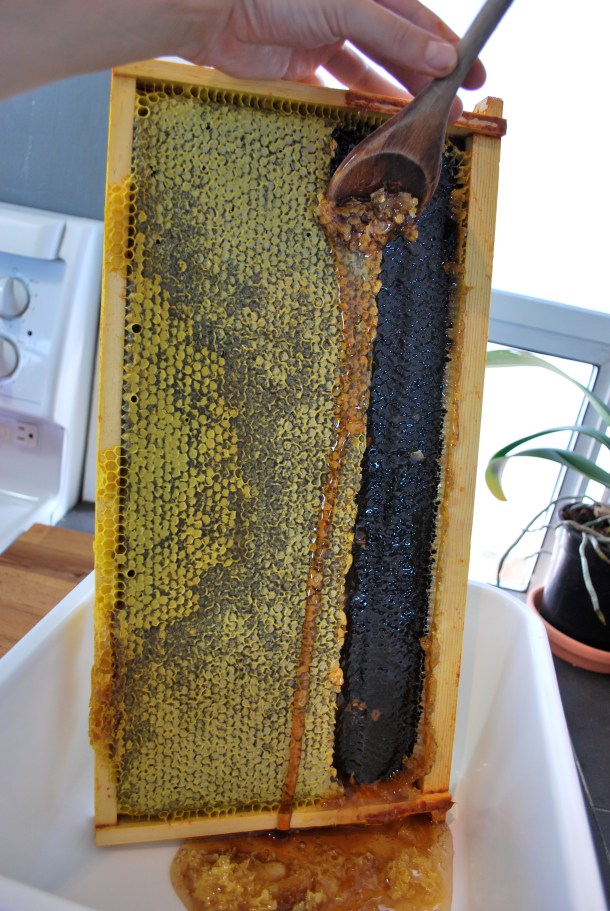
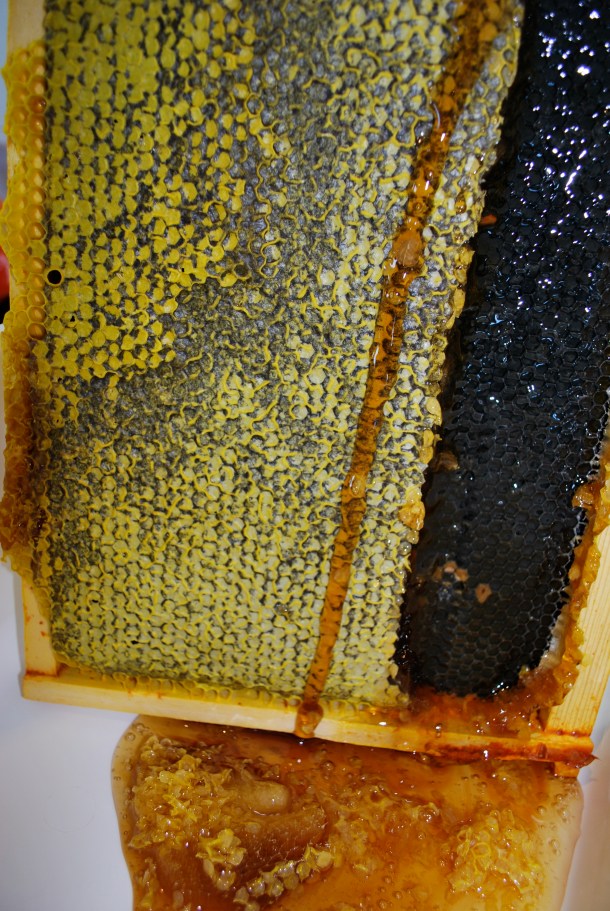
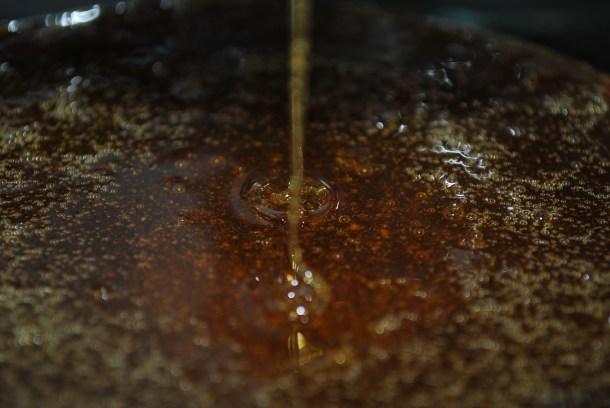
As you can see, the honey is very, very dark. It’s impossible to see through even when held directly up to the sun! You’d expect it to be strong-tasting, but it’s not. It’s incredibly light and citrusy. I assume the dark color is because my bees have primarily been foraging on wildflowers. I did notice while processing that the honey at the top of the frame was much lighter, and mixed with the darker honey lower down to produce the final color. Quite interesting.

DSC_0009.JPG

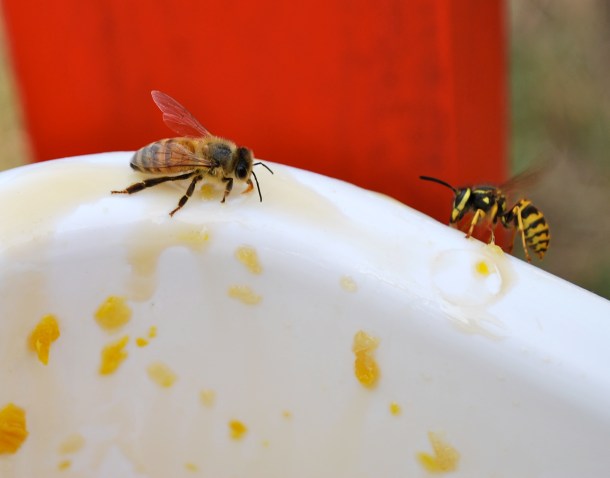
Clean up crew

You’d think honey harvesting would be messy work and it kind of is, but don’t forget that any sticky equipment can be placed out near the hives and the bees (and wasps) will do the cleaning up for you. Zero waste. Honey also cleans up very easily with plain water.

DSC_0008.JPG

Thank you ladies!


First Honey Harvest!

DSC_0003.JPG

I decided to go into hive 1 today, the one started from a nuc this year, as last inspection it looked like they might be honey bound.

DSC_0011.JPG

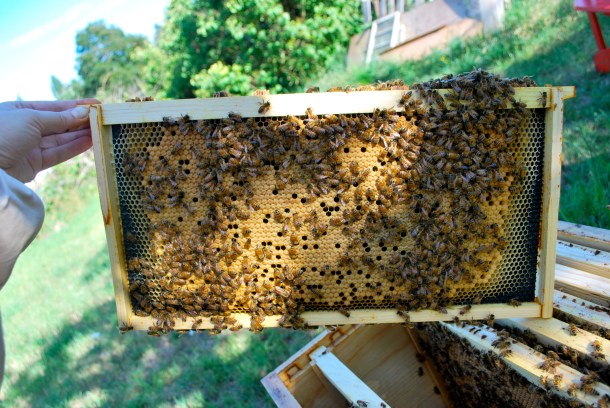
They were. Although I did find a little bit of capped brood in the top deep, all available cells were quickly being filled up with nectar and there was nowhere left for the queen to lay. Since I need her to rear bees now so we’ll have bees to overwinter, I decided to free up some space. I know I said before that I wasn’t going to harvest from this hive this year, but that honey had to go somewhere!

DSC_0008.JPG

I decided to remove two deep frames that were completely full of capped honey. I also did some rearranging of the frames in the two deeps and added two fresh frames with foundation into the brood nest for them to get started on. I would have used foundationless, but so far all my deep frames have plasticell foundation, so I guess it needs to be used somehow. Here’s hoping they’ll draw it out quickly and give the queen room for more egg laying.

DSC_0014.jpg

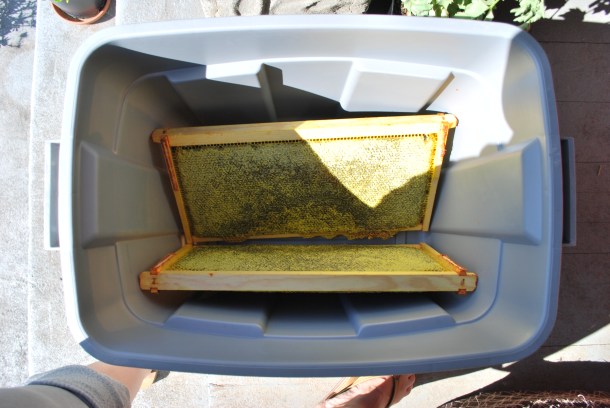
I  shook off as many bees as possible and brushed the stragglers off with a bee brush. It was fairly straightforward and the bees were not too agitated. The frames weighed probably about 8-10 pounds each and I transferred them to a clean, lidded Rubbermaid bin once they were free of bees.

DSC_0013.JPG

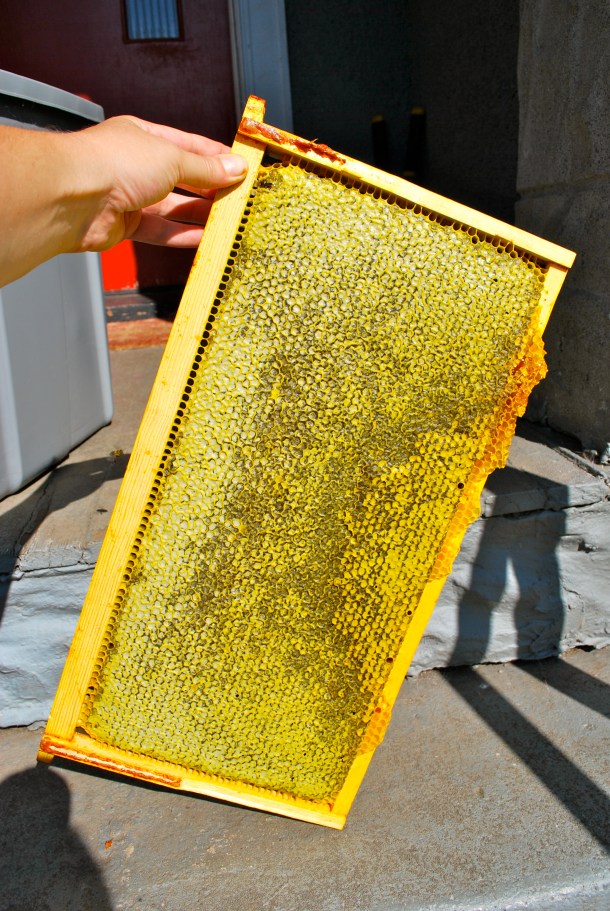
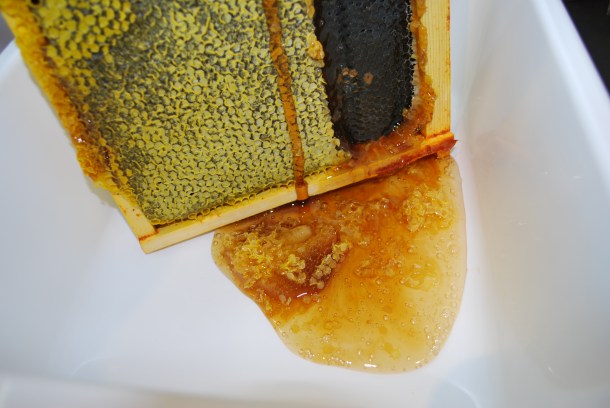
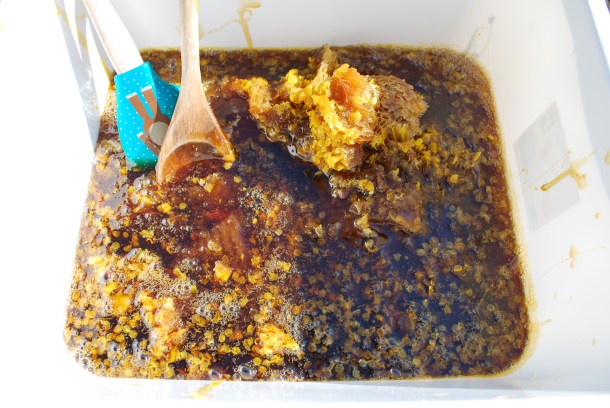
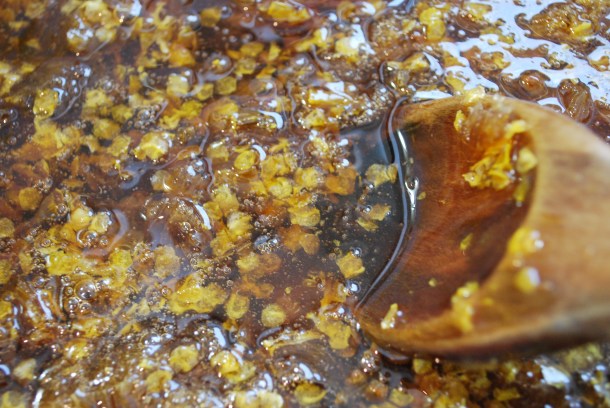
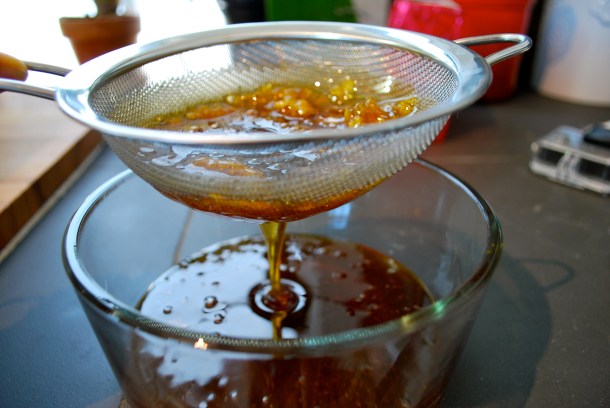
Once inside my kitchen, I scraped off the comb into a large container with a wooden spoon, and then strained it through a stainless steel sieve into jars. It is a very dark colored honey on very yellow wax.

DSC_0017.JPGDSC_0018.JPGDSC_0019.jpgDSC_0020.JPGDSC_0021.jpgDSC_0025.JPG


I have to admit, I’ve never been a huge fan of honey and I don’t eat a lot of it. It always seems to have a bit of a strange aftertaste to me. The harvest from one frame is more than I generally consume in a year. Well, I’m now a fresh honey convert. This is the most delicious honey I have ever tasted! It’s tangy, floral, citrusy and light with no weird metallic aftertastes. I could see myself eating it out of the jar with a spoon and wanting to drizzle it on everything. I managed to spill a drop on the counter where it hit a stray szechuan peppercorn from an earlier recipe, and it was an amazing combination! I even drizzled some on the soft boiled eggs I had for lunch and it was divine. Apparently fresh honey goes with everything!

I’m so excited to have some to bring with me to share with my family on my upcoming Seattle trip!

DSC_0034.JPGDSC_0028.JPGDSC_0029.JPG

DSC_0031.JPG

Downsizing the Rabbitry

DSC_0003.JPG

Scorch

I’ve decided that I have a few more rabbits than I really need, and I’d like to concentrate my efforts on just a couple of breeds. Therefore, I have some really nice breeding stock for sale!

DSC_0007.JPG

Samphire

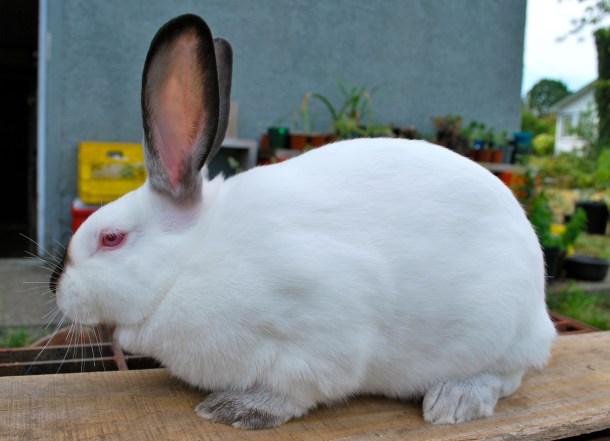
Although I love them, I will be getting out of Californians. They are superb bunnies for beginners, gentle and easy to handle and great breeders and mothers. My young breeding pair, Samphire and Scorch, never let me down. They are purebred bunnies but do not come with pedigrees because I was never able to get them from the seller. Breed them for four generations and you will be able to create your own pedigrees though. They are both 11.5 pounds and about two years old. They are unrelated.

I also have two beautiful 12 week old does from their latest litter ready to go. Breed them pure to sell as breeding stock or cross them with another commercial breed for fast growing meat hybrids.

DSC_0014.JPG

12 week old doe

If you’re interested in any of these superb bunnies, please get in touch! I will be selling Sam and Scorch for $40 each and the two young does are $30 each. I’ll sell you all four together for $120.


Hive Inspection: Differences

DSC_0001.JPG

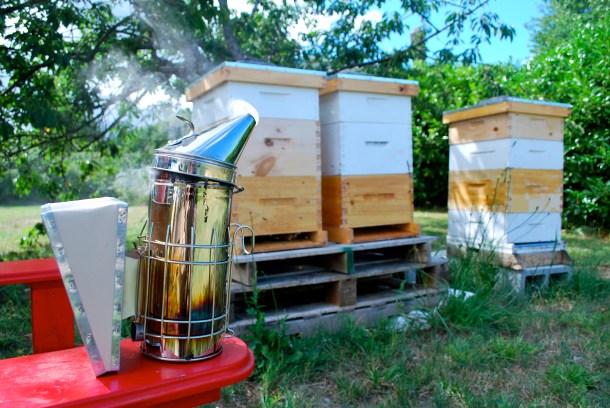
Cracked open my three hives today, and I’m beginning to see some real differences between them.

DSC_0002.JPGDSC_0040.JPG

Hive 1 (far left), which was started from a nuc in May, has two deep brood boxes and a honey super. I’m switching to foundationless frames and all the uppermost supers have them, so while they still haven’t touched their honey super, they have absolutely filled their top deep with capped honey. I could barely lift out the frames!

DSC_0036.JPG

This hive is always super active with lots of new bees doing their orientation flights each day, so I didn’t look into the bottom box. I probably will check it in a week or so just to make sure they’re not honey-bound. I fed this hive for quite awhile so I won’t be harvesting honey from them this year, but there’s still time to make more bees. I’ve also noticed that this hive really likes to propolize! It’s like a sticky orange wonderland in there.

DSC_0020.JPG

Hive 2 (middle) seems to be doing the best of all the hives. It was the half of the split I did in May that had the queen in it, so they’ve been going strong since the beginning. They haven’t touched their topmost super either, but they have already filled the one below it. When I looked at it I saw lots of capped honey but also a small amount of open and capped brood.

DSC_0025.JPG

I don’t mind a bit of brood in the honey super as I won’t be harvesting from this hive either this year, since they were also fed for a short time. Eventually I plan to move to all medium boxes so anything they want to do is fine, it can always be moved. Despite all the brood, strangely this hive is the one where there is not a whole lot of entrance activity on most days.

DSC_0026.JPG

Hive 3 (far right) is the half of the split that made their own queen. They’re still doing just fine and have two supers full of honey now, although the top box is still undrawn as with the other hives. I did notice this hive is slightly more defensive. There were more bees flying and I actually received a sting on the back when I mowed in front of it yesterday. Just a subtle difference really but interesting to note. I wonder if the queen found some feral bees to mate with which might explain it?

DSC_0010.JPG

Today I came prepared with a bottle full of sugar syrup to spray on the frames of all the untouched top supers. Hopefully once they start to clean it up they’ll be inspired to start drawing out comb. They’re all certainly running out of room and the pollen and nectar keep flowing in.

DSC_0032.JPG

One of my reasons for switching to foundationless frames is that I want to breed smaller bees. Bees will grow to the size of the cell they develop in. Natural cell size is about 4.6mm to 4.9mm, while over the years we’ve moved them up to a standardized 5.4mm. That’s the size of most of the foundation you’ll find commercially available. We did this because bigger bees have longer tongues that can access deeper flowers, and they can collect more nectar and pollen. However, varroa mites like bigger bees too because they take longer to gestate, which is how the mites reproduce.

If you let the bees draw their own comb, eventually after a few generations they will revert back to natural cell size. This will give them an added advantage over varroa. Since treatment free beekeeping is my objective, this will help us get there.

DSC_0013.JPG

Festooning Bees

DSC_0008.JPG

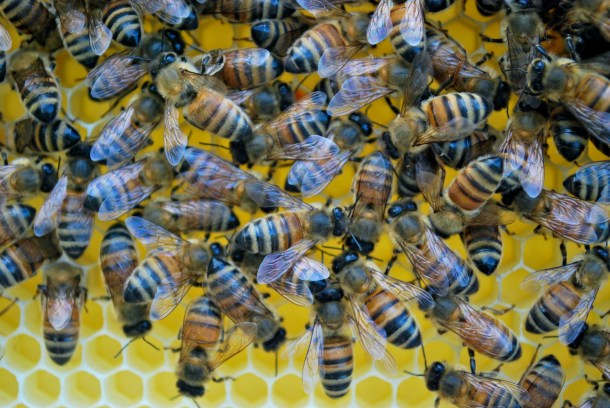
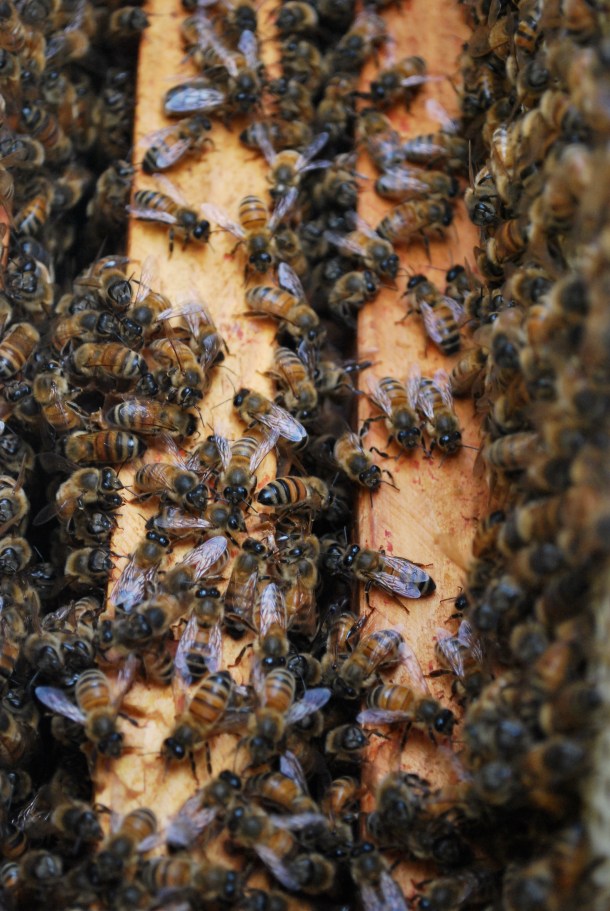
I did another hive inspection a few days ago, still no work on any of the upper supers by any of the hives. I did notice some festooning though, which is a good sign. Festooning is when bees hang from each other in the shape of the future comb they’re planning to build, like little plumb bobs. It’s quite an elegant thing to behold.

DSC_0007.JPG

DSC_0009.jpg

Of course there’s still lots of honey, nectar and bee bread to be found. I hope they’re not honey bound. Still haven’t seen a single varroa mite.

DSC_0018.JPGDSC_0024.JPGDSC_0030.JPGDSC_0015.JPG

DSC_0032.JPG


Hive Inspection: Our First Honey!

DSC_0016.JPG

Decided to open the hives up today and see if anybody needed a new honey super. It’s hard to believe I’ve only had my bees for two months, it sort of feels like I’ve always had them. They are so fascinating to observe and learn about.

DSC_0030.JPG

First up was the hive I started from a nuc in May. They got a new honey super last week with mixed plastic foundation and wax starter strips. I was hopeful they had done something in there during that time, anything, but they haven’t touched it.

DSC_0034.JPG

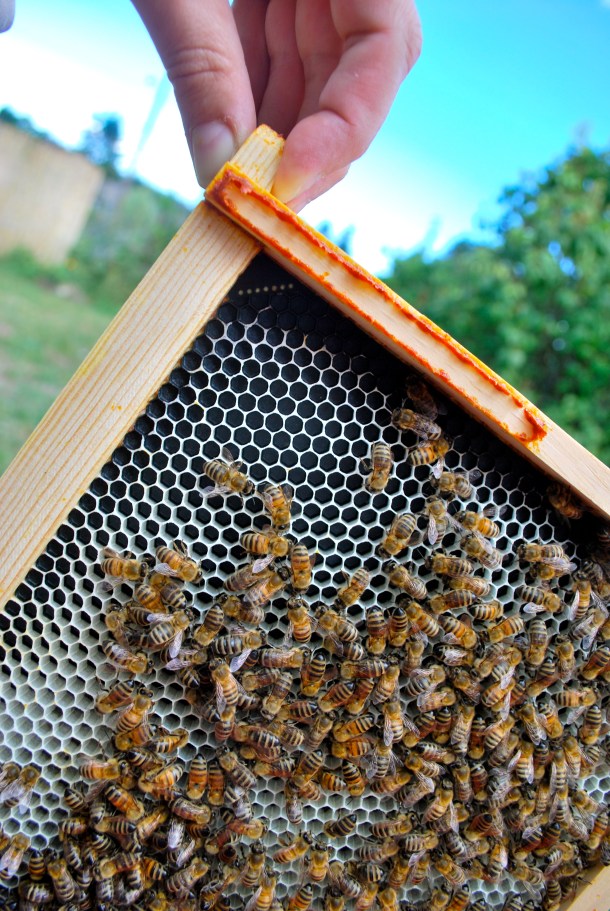
I didn’t want to disturb them too much but I did notice lots of capped honey on the tops of the brood frames below, so they’re not doing absolutely nothing. The outer frames of their top deep brood box are still only half drawn as well, but coming along. I decided to start feeding them 50/50 sugar syrup again just so they can get a boost on beginning to draw out that comb.

DSC_0020.jpg

Finally drawing out the outer brood frames


DSC_0021.JPG

Just getting started on this medium frame

I’ve read that the pH of sugar water is around 6.0, while the pH of nectar is closer to 4.2. This imbalance can cause health problems for the bees so it’s best to keep feeding to an absolute minimum. I’ll probably feed this hive until they get their honey super comb well underway and then stop for good unless the bees are starving. Once I have some reserves of drawn comb to fall back on, I’ll be in a much better position.

DSC_0024.JPG

The two split hives on the other hand were doing great. Both honey supers that were added back in May are almost completely full of honey! I’m realizing now the wisdom of those who told me that switching to all medium boxes is the way of the future. Even a single medium frame full of honey is surprisingly heavy!

DSC_0047.JPG

Some uncapped nectar

DSC_0049.JPG

Look at all that capped honey!

DSC_0059.JPG

Om nom nom

I might harvest a frame or two of honey this year, but for the most part I’m expecting to leave it for the bees since this is our first year.

I’ve been learning about the natural beekeeping method spoken about by Michael Bush, which is based on not treating bees and instead allowing weak bee genetics to die out and strong/hygienic genetics to take over. He makes a good point when he says that treating varroa mites only selects for stronger varroa and weaker bees. The theory is that if everyone stops treating for varroa, the bees will adapt within a few years and it will never be a serious problem again. Of course a lot of bees will die initially, but those are all bees with weak genetics anyway.

When the tracheal mite became the latest new threat to beekeeping back in the 80s, many beekeepers began treating for them. As soon as varroa came onto the scene, they stopped treating for tracheal so they could treat for varroa, and the losses from tracheal mites resolved itself quite well in just a few years. Now nobody really treats for tracheal mites.

The ecology of a beehive contains many microorganisms other than just bees, including a documented 170 types of mites. Damaging that ecology with pesticides and antimicrobial essential oils doesn’t make a lot of sense to me. I’ve made the decision to attempt to go treatment free with my hives and see what happens. I’ve already secured a few potential sites in friend’s yards so if I need to boost my hive numbers to ensure survival, that’s just what we’ll do.

DSC_0051.jpg

All (Queen) Right!

DSC_0010.JPG

Look at all the beautiful brood!

It’s been a little less than a month since I did the walkaway split with my largest hive. I had intended to check it at two weeks, but tax paperwork, weather and farm chores all got in the way. All three of my hives looked busy and healthy from the outside so I just let them “bee”.

Today was a beautiful sunny day and I decided it was time to open everyone up and see what the situation was. First I opened up the hive that I started from a nuc back in May. They were doing great, lots of bees, lots of brood, lots of honey. No problems there.

DSC_0007.JPG

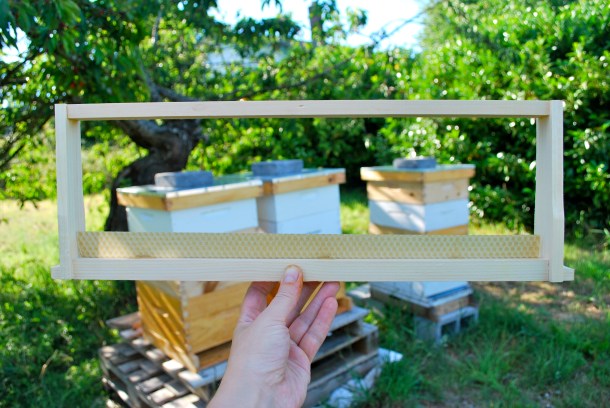
This hive is so gentle it’s like they don’t even realize I’m there. Not to mention it’s nice working with a hive that’s all fresh new woodenware and frames. They were getting pretty full so I gave them a new honey super with half plastic foundation and half beeswax starter strips. The frames with foundation will hopefully help to keep the comb on the foundationless frames straight. I’m excited to see how the frames with the strips work out because I’d rather move away from plastic if I can. The beeswax strips are cheap, easy to install, and will allow the bees to build any kind of comb they want. If they want to fill it with drone comb, they can bee my guest. I just want it built straight!
DSC_0010.JPG

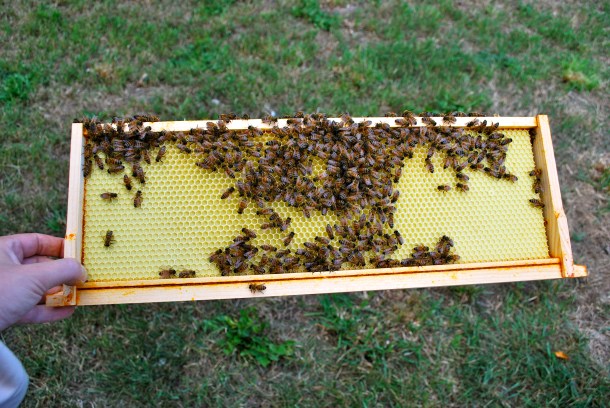
The starter strip is taken from a sheet of Dadant size wax foundation. I can get five 1 1/8″ strips from one sheet so two sheets will do all ten frames. The strip is secured by dripping wax from a beeswax candle into three spots and holding the strip straight until they harden. Easy. Plus this way I’ll be able to harvest some comb honey at some point which is the ultimate goal.

DSC_0008.JPG

Next I opened the hive that I suspected had been the queenless half of the split. Same thing, lots of bees, a beautiful brood pattern and eggs and larvae in all stages. I did also find what looked like a single opened queen cup. Didn’t see the queen, but I know she’s in there doing a fantastic job.

One thing that concerned me a little was the condensation building  up under the lid. Just another reason I would like to build and install some top quilts before winter as well as look into some slatted racks and screened bottom boards. I think more ventilation will be a good thing.

DSC_0001.JPG

You can see a few empty queen cups

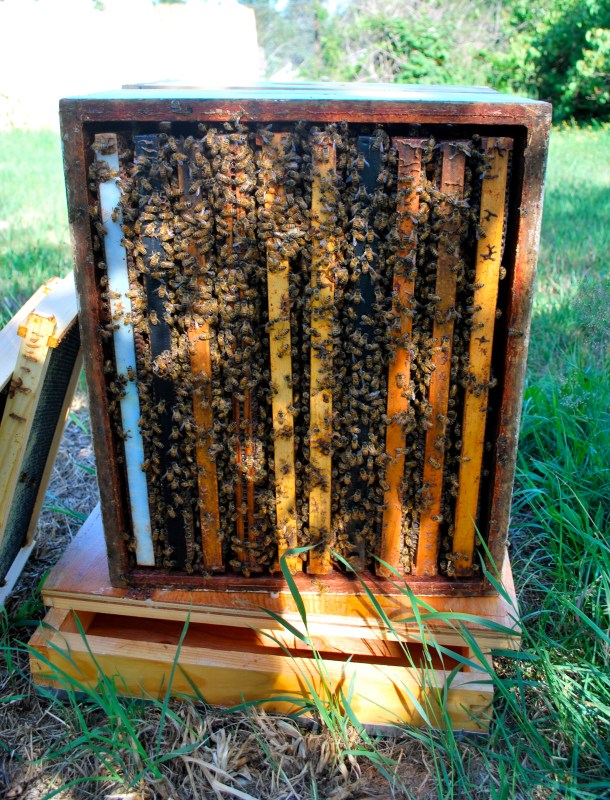
Hive three had been the stronger side of the split, with two full boxes of bees to start off with. I had assumed the queen was in this hive, but when I opened it up there were a good dozen or so queen cups that were long empty. This hive was the least gentle of the three, which wasn’t to say they were aggressive, just a little more upset that I was taking their house apart. It could have been partly because there were quite a few frames sticking together when I lifted the top boxes off and they shifted around a little. Also maybe because my smoker was kind of puttering out by that point. Still no stings so I’m not complaining.
DSC_0009.jpg

Hive three looked pretty darn good! Tons of capped brood in a good solid pattern and lots of honey, even though this was the hive I hadn’t fed.

I did a cursory inspection for varroa mites, and couldn’t see a single one clinging to any bee in any of the hives. Once I get my screened bottom boards I can do a 24 hour mite check and that will help determine if I need to treat before winter. I think I prefer the method of allowing the bees a frame to build up with drone comb, and then just freezing it once it’s filled with brood. Varroa mites prefer drone brood because their gestation is longer, so that’s a good natural method of control.

Once again I didn’t use my gloves today. When gloved fingers get covered with propolis and stick together, it can be dangerous and I almost dropped a frame the one time I did use them. I suppose my hands are now stained orangey-yellow for awhile, but maybe the propolis will help to heal the dozen or so barn owl bites I got from gearing up an uncooperative male with his transmitter yesterday!


DSC_0005.JPG


Spectacled Owl – First Free Flight of the Year

DSC_0001.JPG

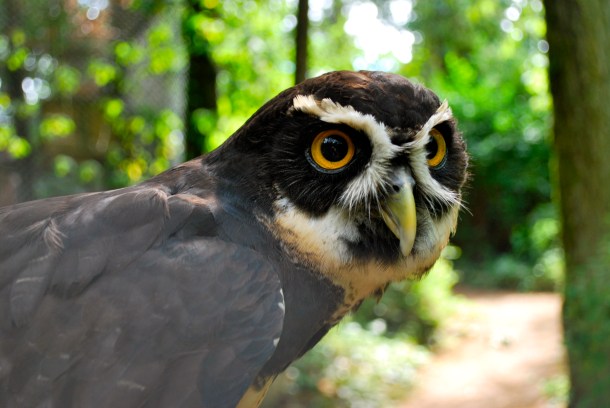
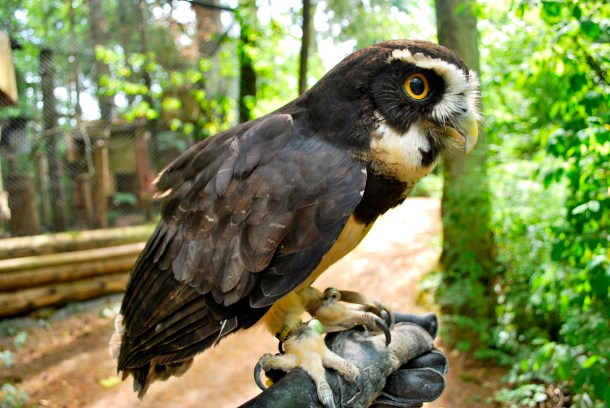
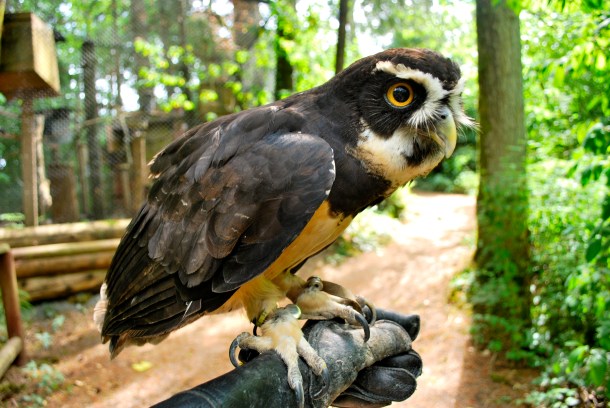
This little guy is a favorite of mine and I like to think we’re friends. I enjoy sneaking up the path while the flying demo is ending to coax him out of his aviary so we can say hi to guests on their way out. In the process we usually get to soak up some premium afternoon sunshine!
In these photos we’re waiting for our turn in the demo for the first time this year and this handsome jungle owl is psyched to get flapping!

DSC_0002.JPGDSC_0004.JPG