New Standard Rex Litter – Spring 2017

DSC_0033.JPG

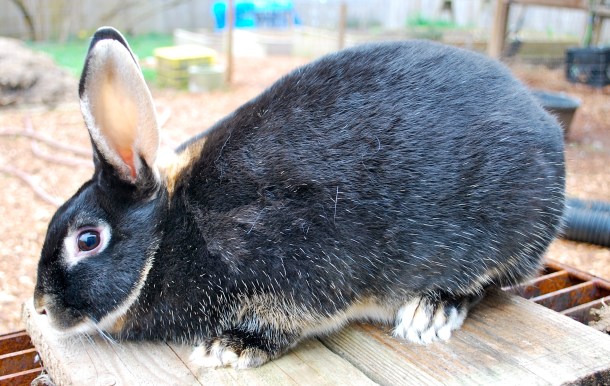
We have our first Standard Rex litter of 2017. After one false pregnancy where I think the problem was too much winter weight, Fire Opal has kindled a modest litter of six healthy kits.  There are five solids and one little broken. Two light coated and four dark. Not sure what colors these will end up as, but likely some opals and castors as per usual.

There’s already a waiting list started for this litter, so if you’re looking for a purebred Standard Rex bunny, please get in touch with us ASAP.


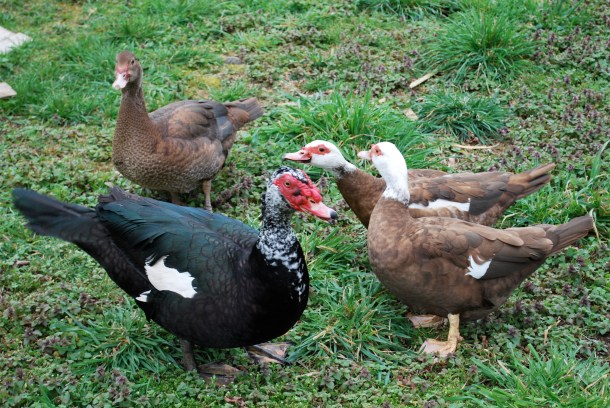
Springtime Duck Family

DSC_0048.JPG

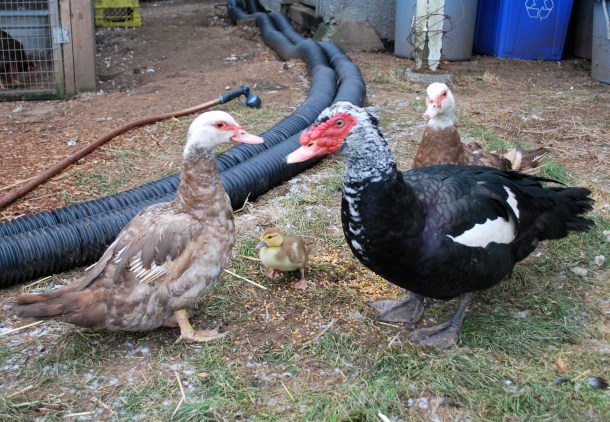
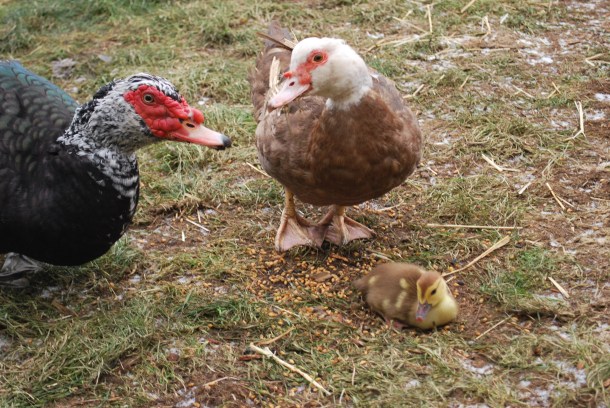
Well, our little lonely duckling born in the cold month of December is now all grown up into a beautiful female! That means she gets to stay. The Muscovy duck family is now up to three ducks and a drake and they have had full run of the yard since winter. They spend their days eating grass and bugs and rooting through my compost pile. They are very happy birds.

For now my youngest duck is a solid brown, but she will soon moult into her white head and wing patches. Her mother is already well underway on her next nest and has at least a dozen eggs laid already. I’m really hoping for a full, healthy clutch of ducklings this spring. It’s so cute to see them all running and tumbling together after their mom. We’ll know how it goes in about 45 days!

Introducing Butternut

DSC_0063.JPG

Butternut is a triple hybrid F1 doe who is the latest addition to our meat breeding program. Her mother is Caraway, who is a Creme d’Argent/Standard Rex cross, and her sire was Scorch, a Californian buck that I have since sold. She was the largest in her litter and has matured into a beautiful young rabbit with lovely markings.

She has been bred for the first time to Gonzague, my Champagne d’Argent buck and is due mid-April. Her litter, if it’s successful, will be our first quadruple hybrid F1 meat rabbits.

DSC_0069.JPG

Naturally Treating Coccidiosis in Rabbits

DSC_0005.jpg

I’ve had this very contagious disease pop up a couple of times in my meat herd, usually as a result of pasturing my young rabbits. You can very easily tell if you have sick bunnies: they lose their appetites, their backbones become visible and noticeably palpable, they act listless and they develop chronic diarrhea. Don’t lose hope though, you can almost always bring sick rabbits back to perfect health without resorting to pharmaceuticals if you catch it early enough.

I was given a bottle of some foul brown liquid from a breeder when I acquired my first rabbit pair, and was instructed to add it to the water for five days on, five days off and five days on again as a coccidia preventative. I dutifully did so at first, and my bunnies hated it. I didn’t know any better. The bottle still sits half full on the shelf almost four years later and I will likely never use it again. Instead I’ve developed a natural method for treating this often deadly disease. Of course now my main focus is prevention and it hasn’t been an issue since then.

Coccidia is a parasite that is found pretty much everywhere in the soil. Young rabbits are more susceptible to it than adults. If you have rabbits on pasture or feed fresh greens there is always the possibility of infestation. It’s passed on through rabbit feces via cysts. If one young bunny in a colony has it, they probably all do. The best prevention is to keep rabbit environments clean, raise rabbits on wire-bottomed cages, move pastured rabbits to fresh ground frequently, dry or thoroughly wash fresh greens and keep bunnies away from soil that has recently been occupied by other types of livestock or pets, especially chickens and dogs.

All right, so the worst has happened, your bunnies are sick. If they have the symptoms listed above and have been exposed to pasture/greens, they probably have coccidiosis. Here are the immediate steps to take:

Clean. You must disinfect the environment or get your rabbits to fresh pasture immediately. I recommend getting them off the ground completely if they become sick and putting them into a wire-bottomed cage where feces can drop away and not recontaminate them. You can either use bleach or white vinegar to thoroughly clean all cages, water vessels and toys. Be sure to rinse well in fresh water after disinfection. Wire-bottomed cages with appropriately-sized spacing (1/2″ by 1″) are not cruel. Rabbits have well-furred feet that are adapted to rough surfaces and their nails hang down naturally through the wire adding to their comfort.

Water. If you don’t already do this, begin adding apple cider vinegar to the water. One tablespoon per 32 oz. water bottle is sufficient, but you may add as much as you want as long as your rabbits will still drink. This acidifies the gut, adds trace minerals and is excellent for overall gastrointestinal health. I use small amounts of ACV in my rabbit water all year round. It helps prevent algae growth, promotes good health and if you take your rabbits to a show in a different town, the drinking water there will still taste familiar to them. I’ve also noticed increased vigor in all my bunnies once I made this permanent addition.

DSC_0073.JPG

Blackberry. This is the most vital element to combating the parasite. Blackberry leaves and vines are one of the most important medicinal plants for rabbits and luckily they grow as invasive weeds in most places in the world. You’ll likely never have to drive far to find some, even in the dead of winter. Provide your rabbit with as much fresh or dried leaves and vines as they can eat. Don’t worry about the thorns, your rabbit will likely eat them first. Avoid giving the blackberry drupes (fruit) themselves if possible, although a few here or there will not hurt. Blackberry is a powerful anti-diarrhea herb for rabbits and in many cases, prolonged loose stools are the real reason your rabbit will lose the battle with coccidia. Also be sure to provide plentiful dry grass hay and clean pelleted food. Stop feeding any other vegetable or fruit treats. Promptly remove any food that becomes soiled or contaminated with feces.

With this regimen initiated at the very first signs of sickness, I have rarely lost a bun to the disease. Your rabbit may sustain some level of liver or intestinal damage from the parasite, but in most cases they go on to live perfectly normal and healthy lives. If you butcher meat rabbits that have been infected, you may notice yellow or white spots on the liver as a result. Affected livers like these should not be consumed by humans. To see photos of an infected liver, you can check out my previous post on hepatic coccidiosis here.

Keep those bunnies healthy! 🙂

First Pollen of the Season

DSC_0064.JPG

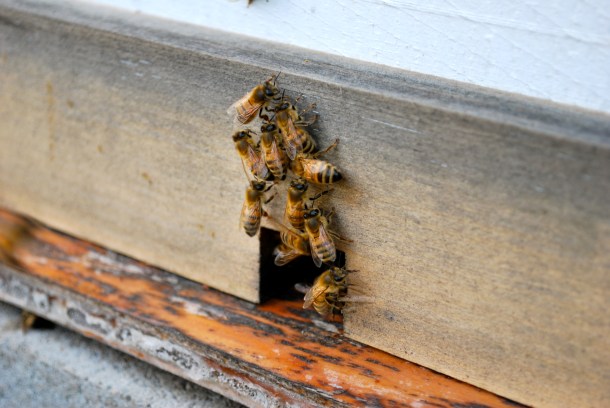
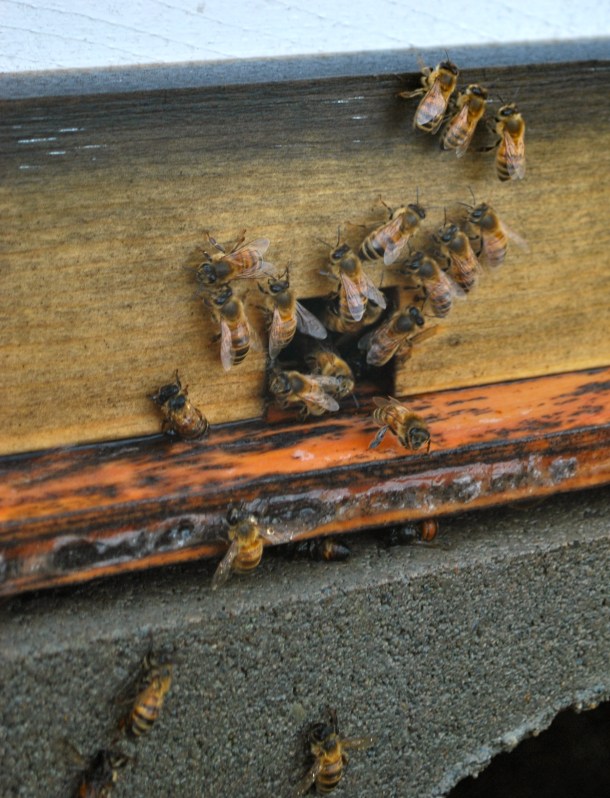
The snow is finally all gone and each of my three hives are busy with housekeeping. When I looked in on them today I saw many dead bees being dragged out and amazingly, I saw bees loaded with pale yellow pollen coming in!

DSC_0087.JPG

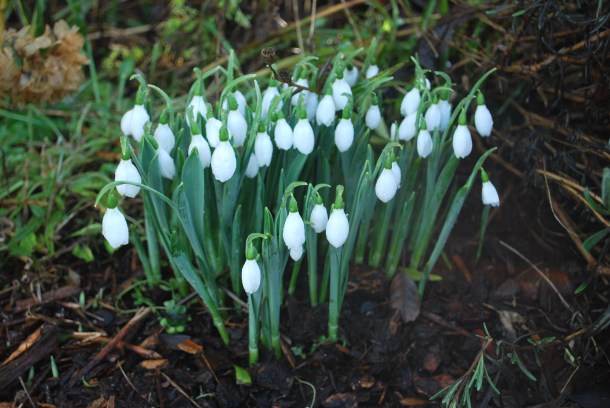
I haven’t seen any flowers blooming anywhere yet except for the snowdrops, so perhaps they are harvesting those. I haven’t noticed a single bee visiting the snowdrops on my property though, even though we have a fair amount. At any rate, it was a very cheerful sight!

DSC_0073.JPG

There was lots of activity in all three hives and lots of fuzzy new bees. You can tell young bees by how fuzzy they are as the older they get the more bald they look. One new little bee took a break on my hand to warm up and groom herself a bit before returning to work. Did you know the first job a bee has is cleaning out the cell she has just emerged from?

DSC_0080.JPG


The Bees are Still Alive!

DSC_0062.JPG

It’s official, all three of my colonies are still alive!

DSC_0059.JPG

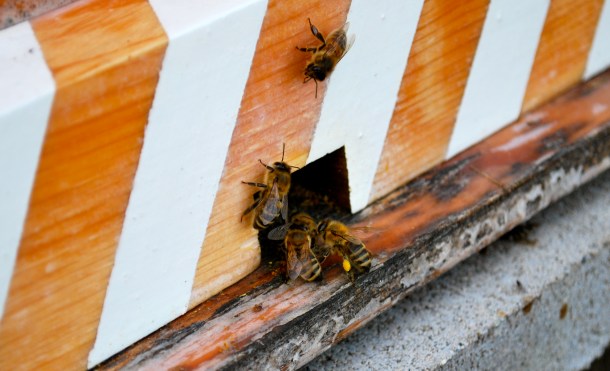
We’ve had a very cold winter for our area, and I wasn’t sure what to expect since this is my first overwintering with bees. So far things have been pretty shut down buzzwise with no activity at all and a lot of dead bees outside the entrances. Today was the first warm sunny day we’ve had in weeks and to my great happiness I noticed bees flowing in and out of all three hives.

DSC_0057.jpg

Some of my hive parts are a little worse for wear with all the moisture we’ve had and will likely have to be replaced in spring. All that really matters though is that there seems to be good numbers of girls busy cleaning out bee bodies, going on cleansing flights and generally looking very healthy indeed.

DSC_0065.JPG

Winter isn’t actually over yet, but I’m optimistic all my hives will be around come springtime when they will hopefully swarm, and I will hopefully catch those swarms!


New Winter Duckling

DSC_0039.JPG

While I was away visiting family for the holidays I received a text from my house sitter right around x-mas: “You have a new duckling”.

I knew my two Muscovy hens had been sitting on eggs for some time, but I didn’t expect any to hatch in the cold weather we had been experiencing. Apparently there were initially three ducklings but two didn’t make it past their first day. I gave instructions to add a shallow water dish and change the feed over to chick crumble in order to try to keep the remaining duckie alive.

DSC_0024.JPG

We’ve been having the coldest winter since I moved here and I wasn’t sure this little duck would be able to stay warm, but somehow he has. He’s a few weeks old now and doing very well. Since the gardens are now kaput I’ve opened up the duck pen to give them free reign of the yard and now they meet me at the back door every morning for their portion of fermented grains. Such a cute little family!

DSC_0038.JPG

We Like Packages

DSC_0011.JPG

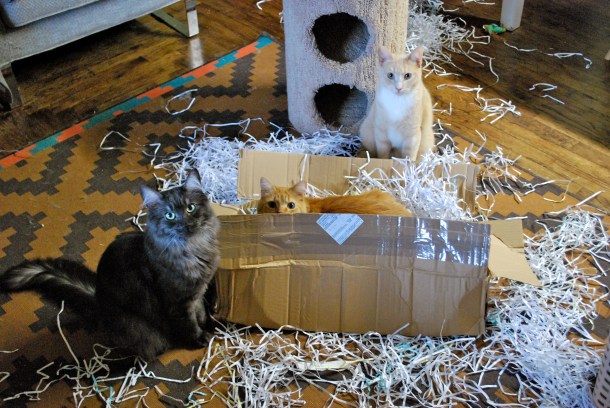
I always leave boxes and packaging out for shipments I’ve received so the cats can fully exhaust their “usefulness”. They loved this fancy shredded paper from Scotland! It will be destined for the compost pile after hanging out under some rabbit cages for a bit.

Of course it means waking up to this scene every day for a week. Totally worth it.

Wild Edibles: Fluted Black Elfin Saddle

DSC_0001.JPG

I took the dog on a nice long hike today, and we came across some edible mushrooms I hadn’t seen before. Helvella lacunosa or fluted black elfin saddle.

DSC_0004.JPG

Here in the Pacific Northwest we have a lot of mushrooms this time of year, but the edible ones near trail edges tend to get scooped up rather quickly. I think these ones had been left alone because they are a rather unusual-looking species.

DSC_0003.JPG

The only other species that looks close is the hooded false morel, which is poisonous, but does not have the characteristic fluting in the stem. Although the fluted black elfin saddle is considered edible, they must be either cooked or dried first in order to dissipate the monomethylhydrazine they contain, which is a toxic substance.

DSC_0007.JPG

I shall enjoy them with quail breasts and wild greens as my dinner tonight!