Yacon for Rabbits

DSC_0005Last year I bought a small yacon plant, which is an edible Peruvian tuber. I’ve never tried it before, but I like unusual plants, especially edible ones. It grew very large over the summer and I’m sure there is now a nice crown of tubers in the pot ready to sample. From what I’ve read, they are crispy and sweet when eaten raw.

In the meantime, it’s not a frost tolerant plant as far as I know, so the foliage’s days are numbered. Since I was doing some tidying up in the garden today, I decided to snip off some of the larger stems and see what the rabbits thought of them. I had already read online that they were safe to feed, and the thick stems and leaves were very similar to sunflowers, which I know the bunnies love.

Turns out they were very enthusiastic about them, although somewhat less so that with sunflowers. I’m always glad to find a new crop that the bunnies approve of.

DSC_0011

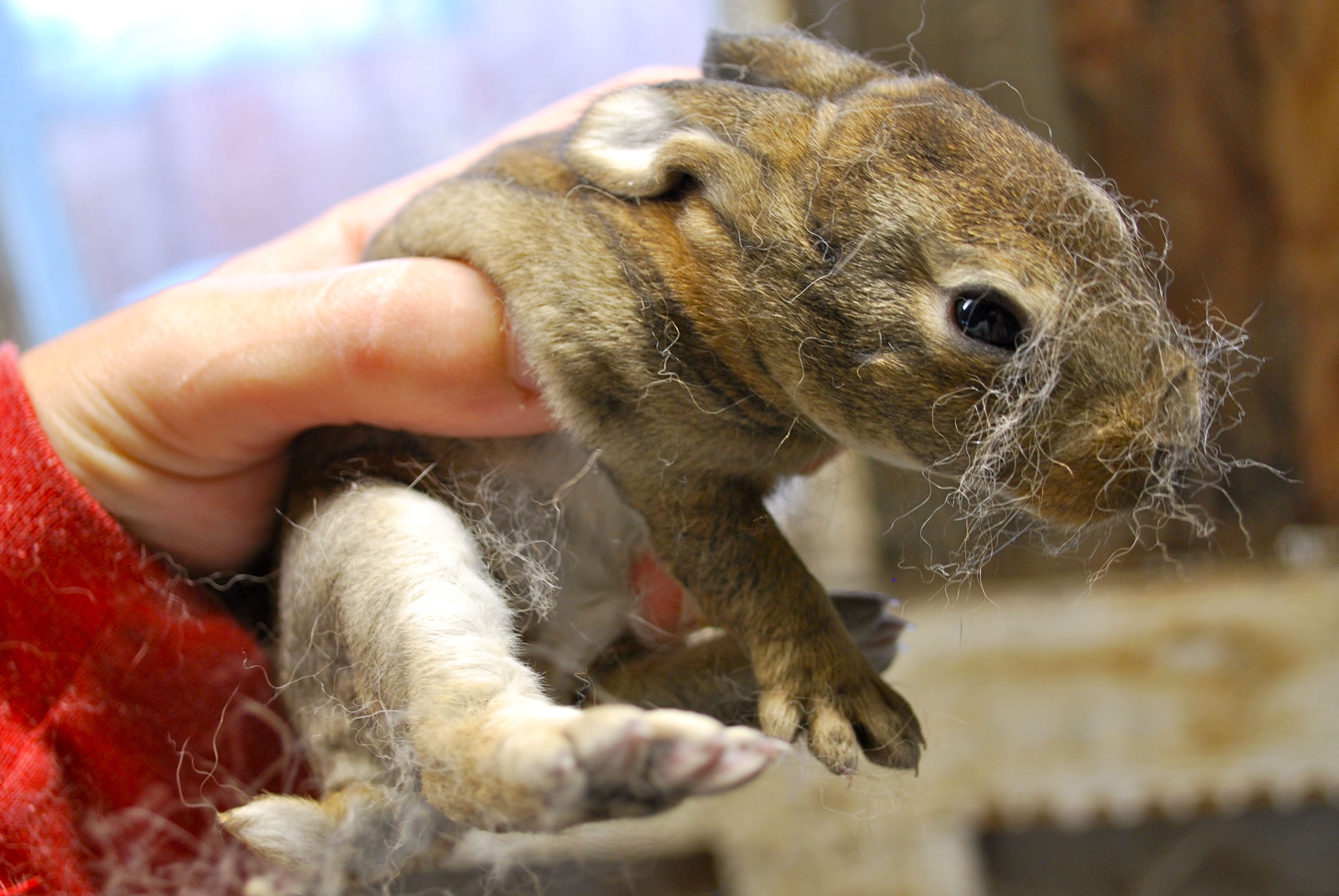
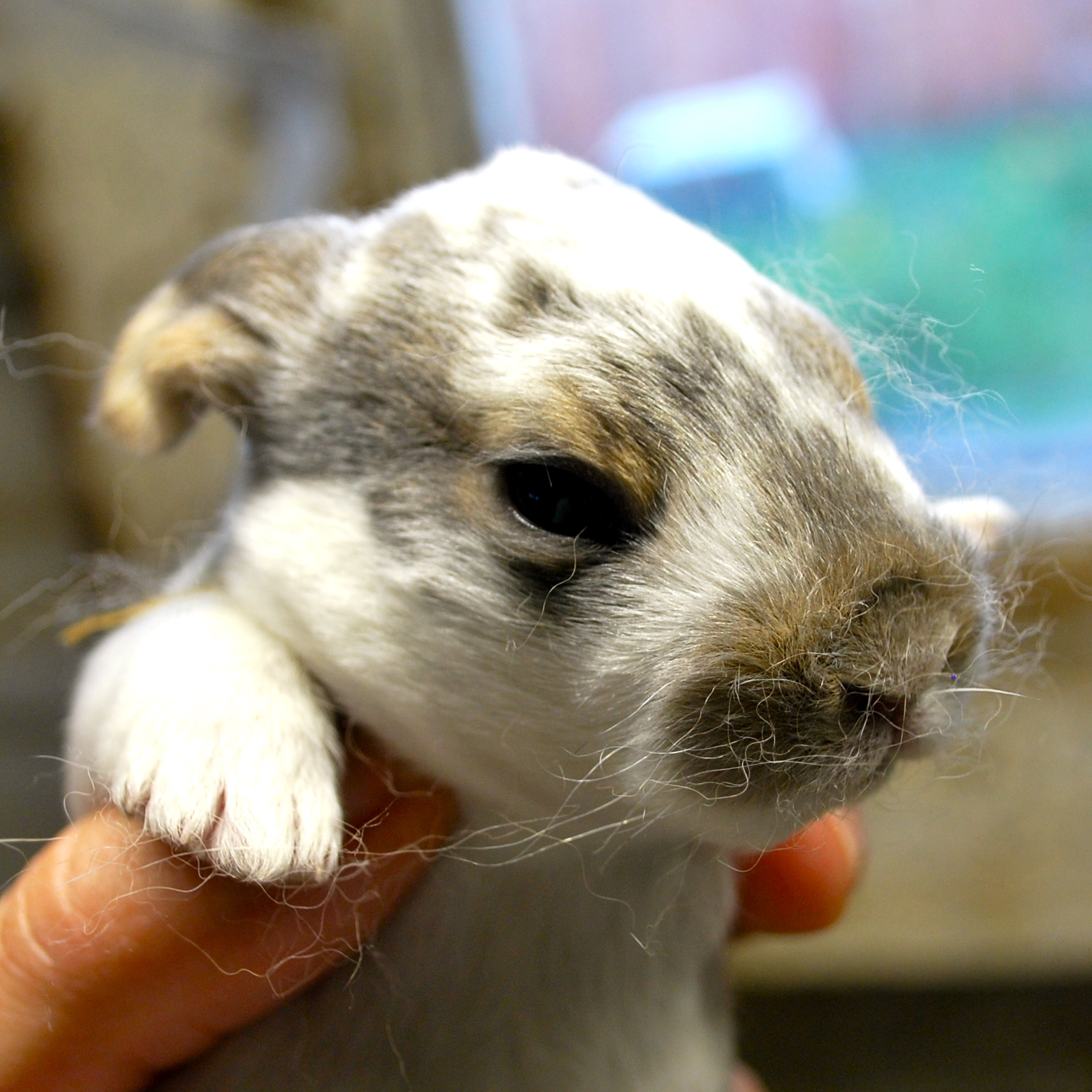
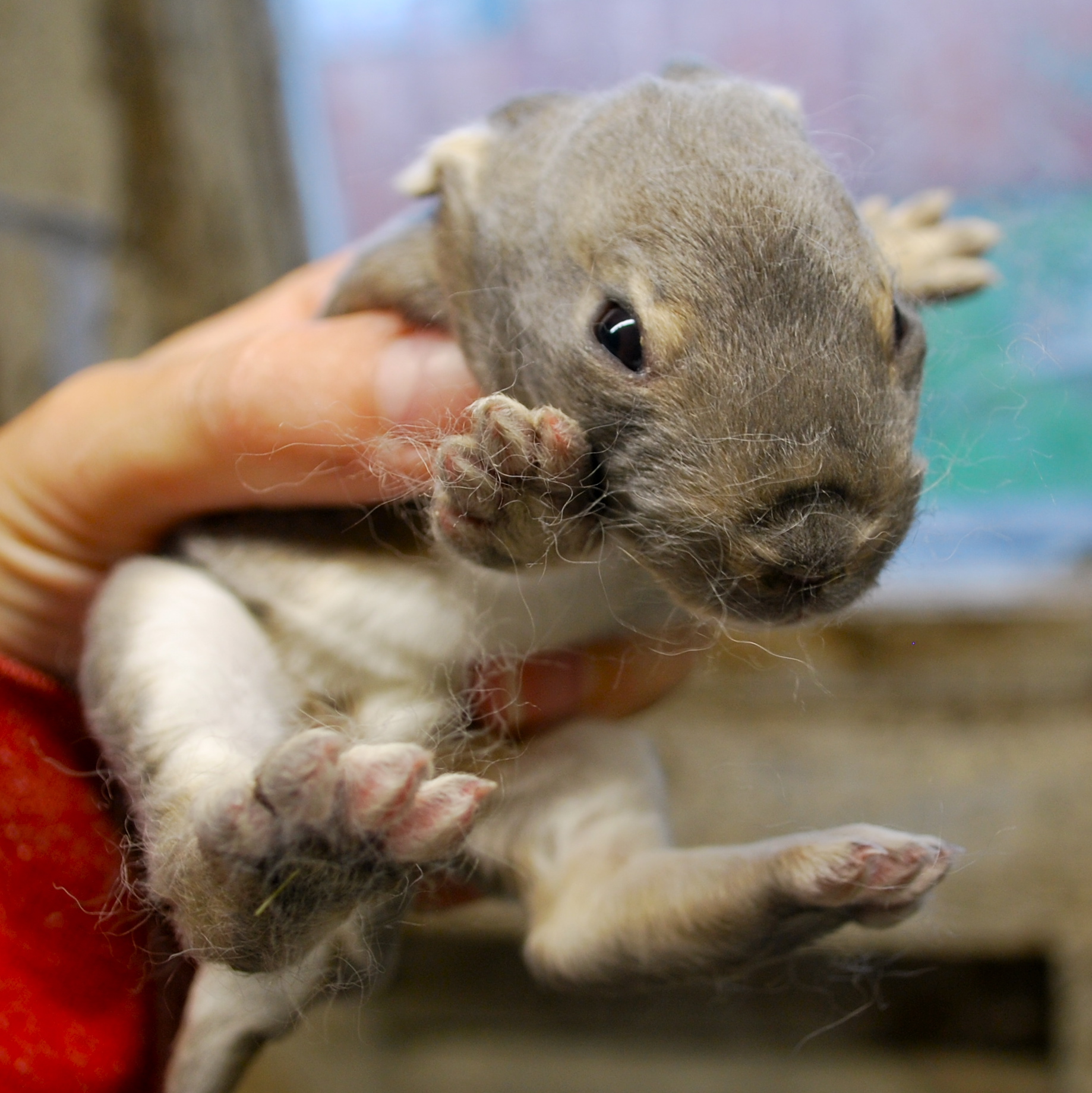
Broken Rex Litters at Two Weeks

DSC_0053

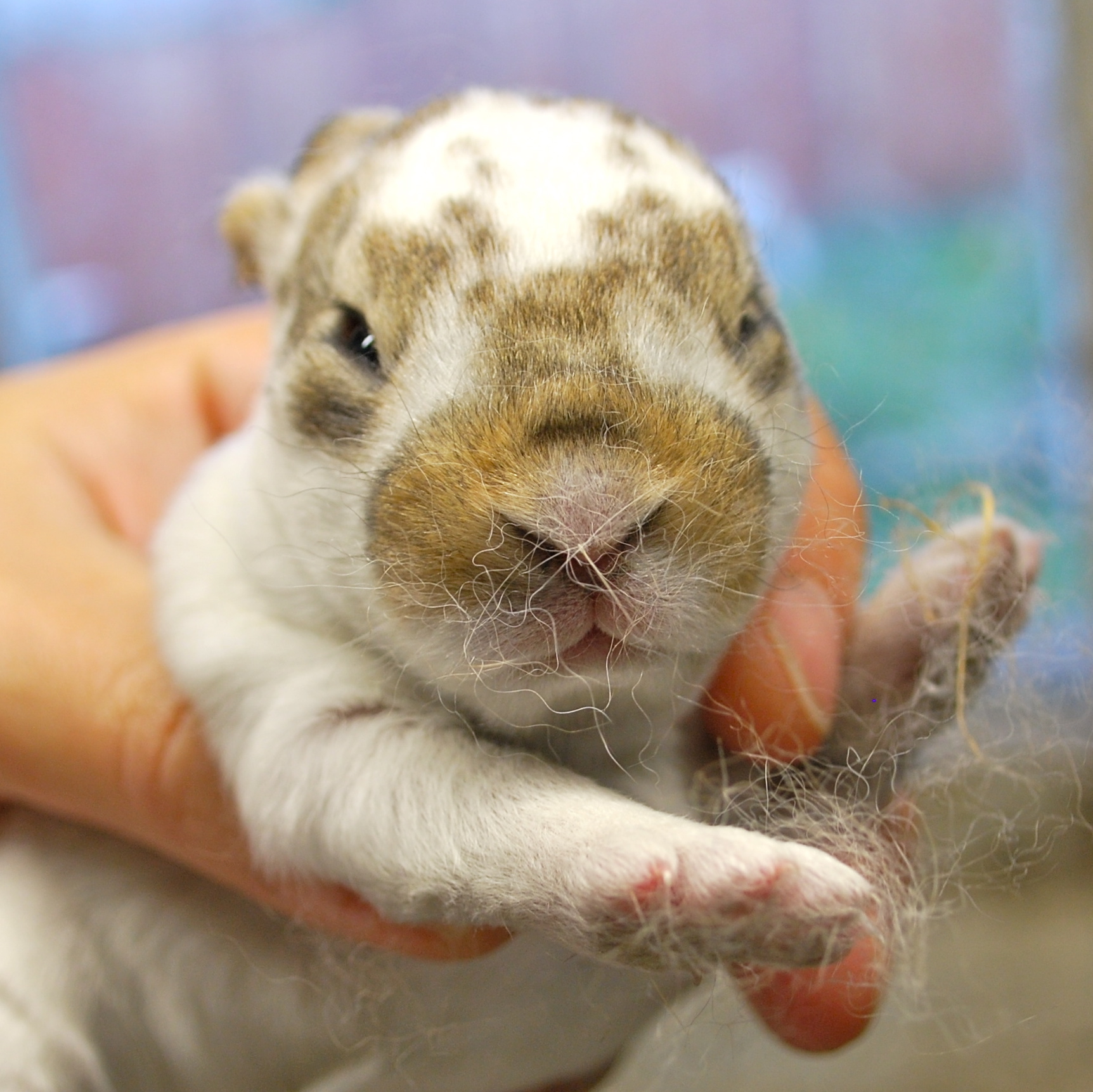
Broken castor Rex kit

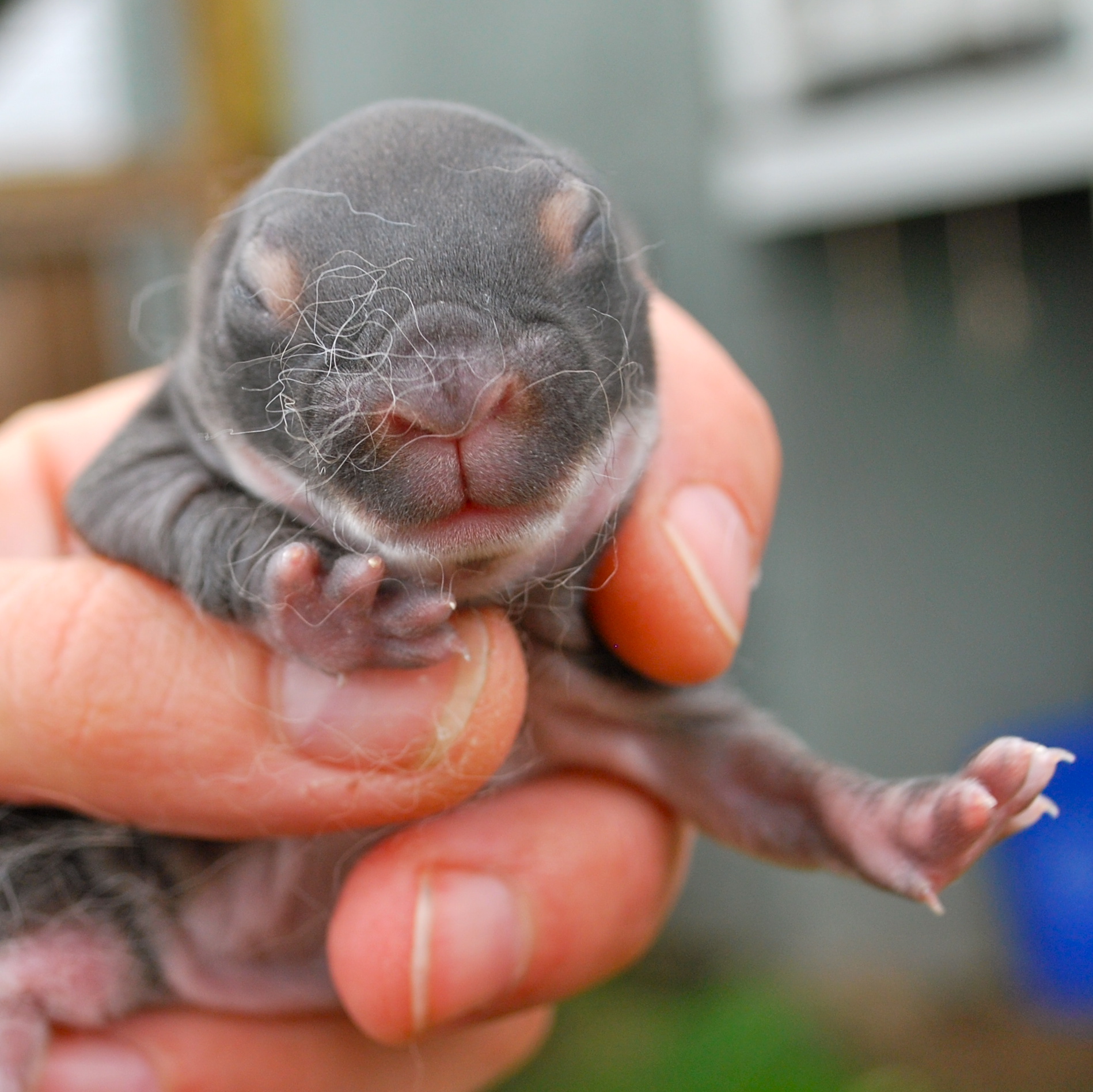
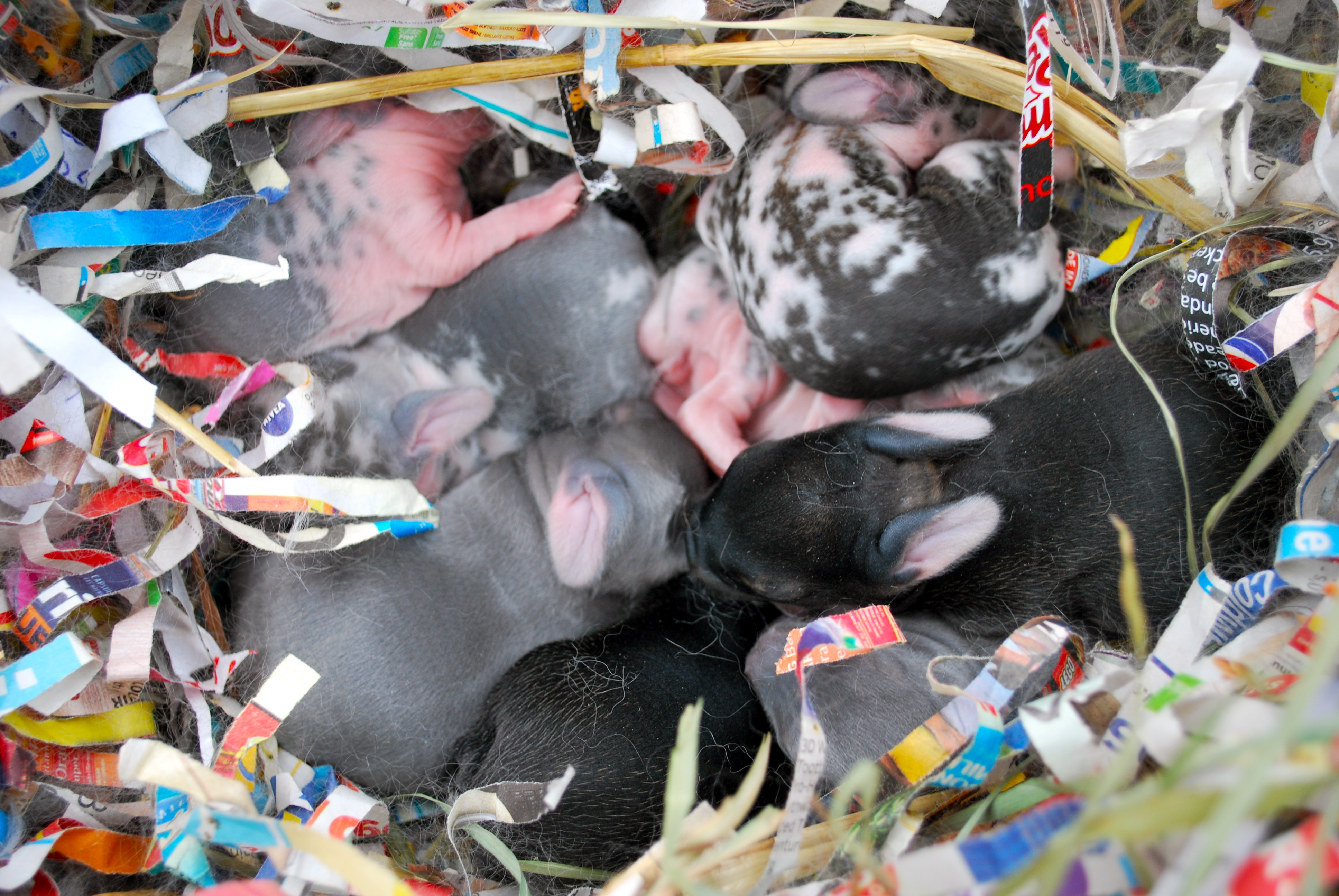
These bunnies are growing fast!

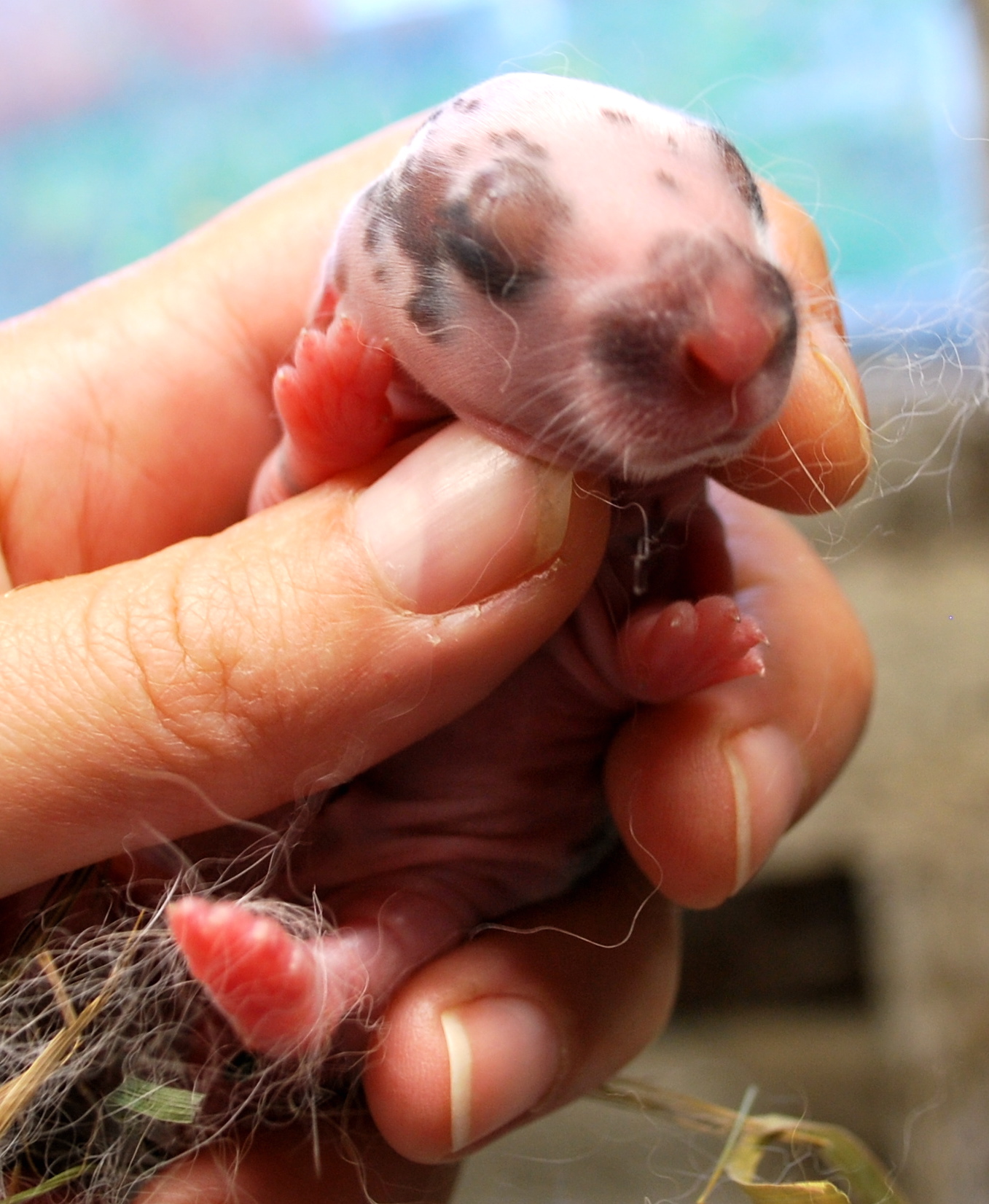
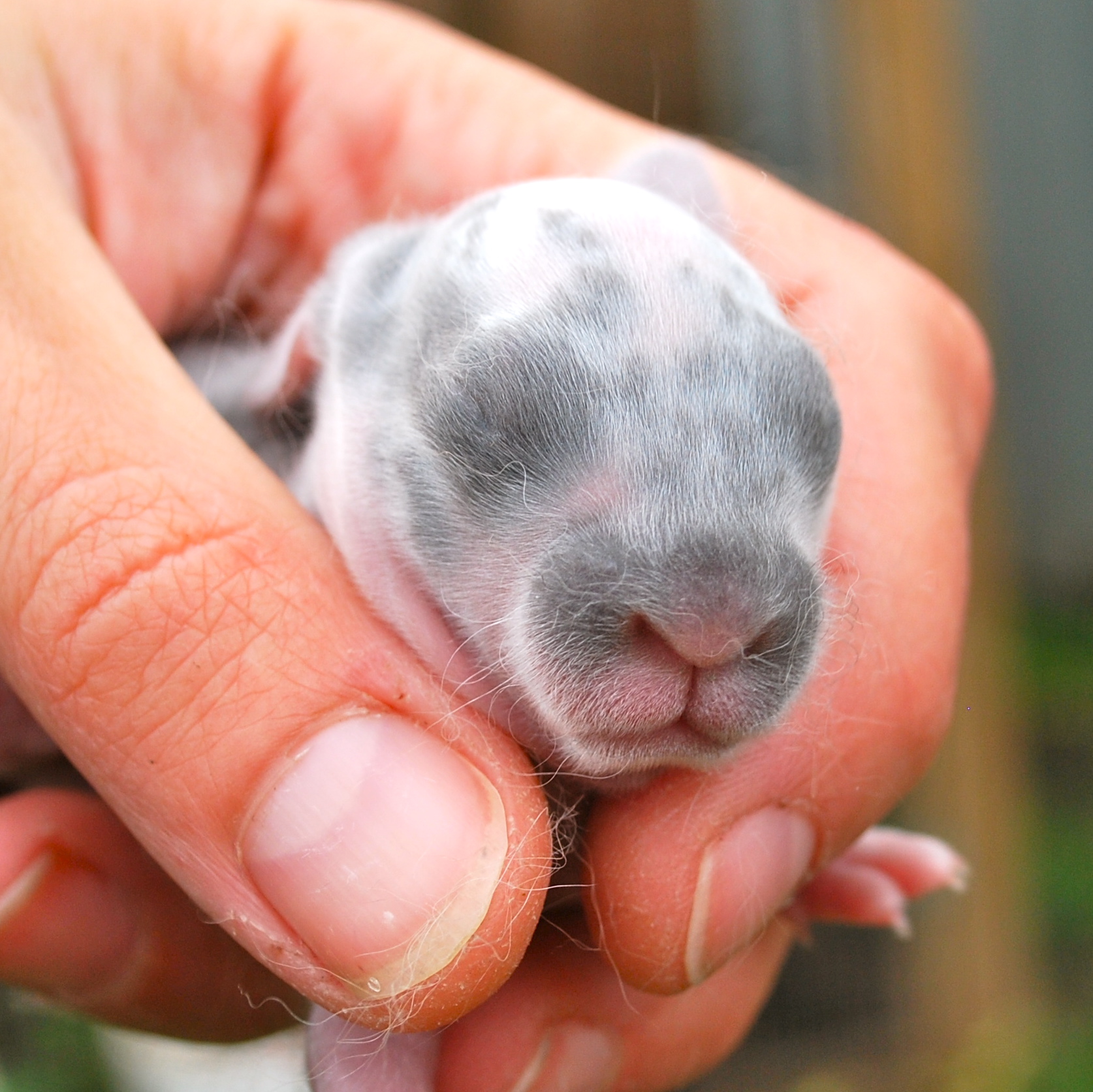
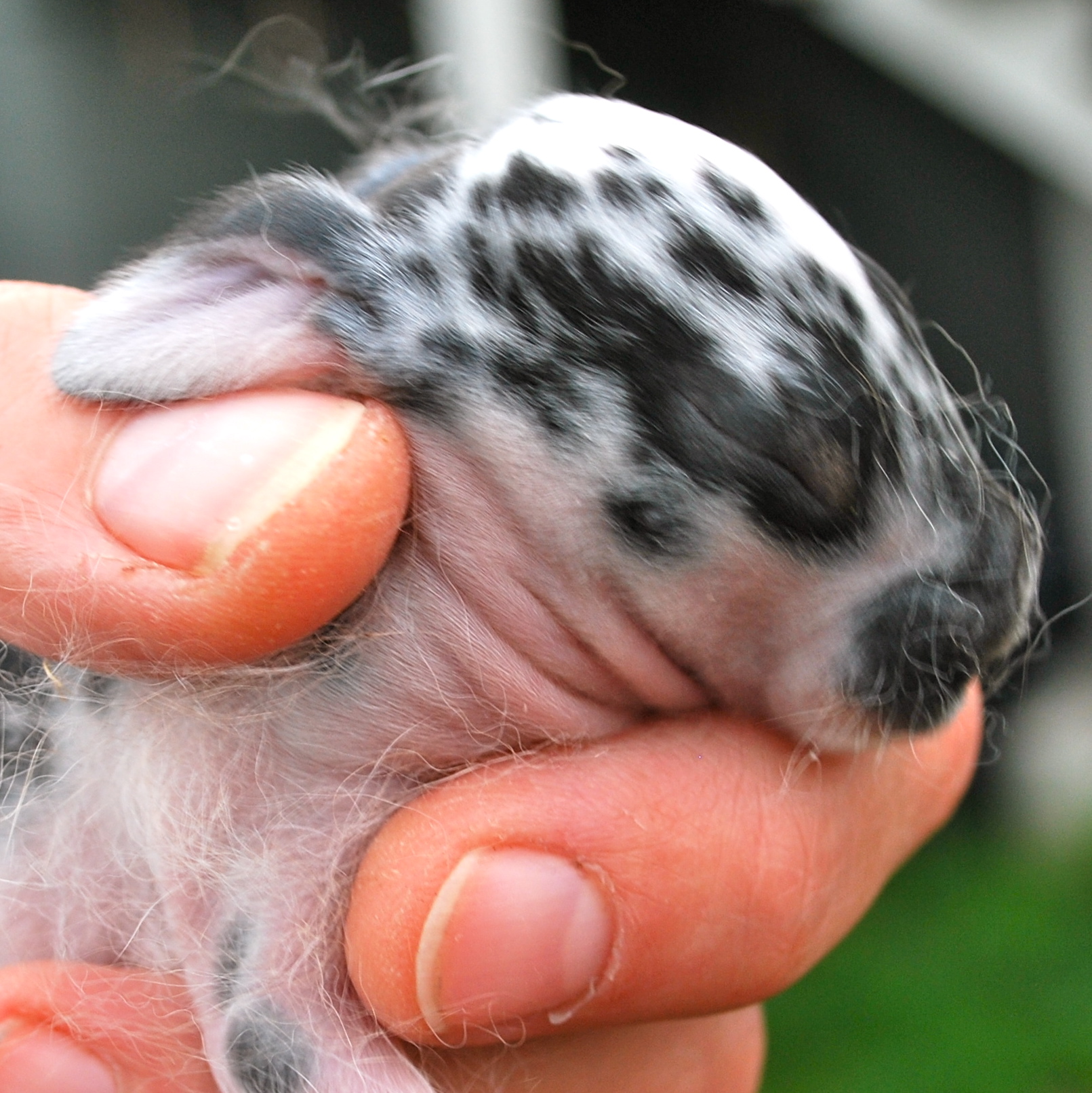
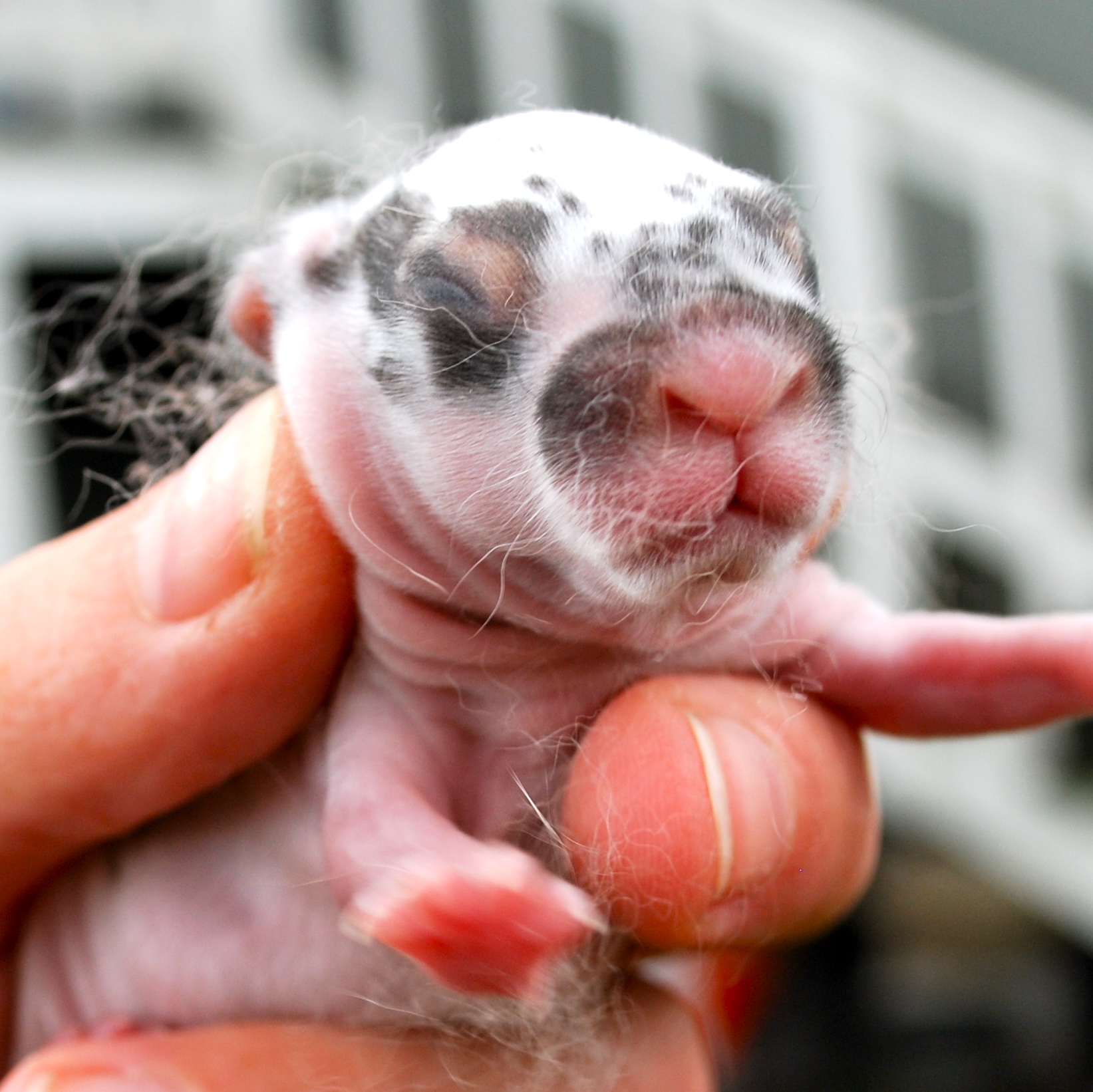
I’ve noticed that at about one week of age, their intricate spotted patterns begin to coalesce into larger areas of color. I sort of expected this to happen because you just don’t see adult rabbits with such well-defined spots. That’s ok.
DSC_0030

Solid castor Rex kit

DSC_0062

Black otter Rex kit

DSC_0051

Broken opal or blue otter Rex kit

DSC_0039

Broken castor Rex kit

The colors are really starting to come in on these little guys, and I have a better idea of what we’ve got. Opal has a gorgeous solid castor, broken castor, broken black otter, and what may be broken opal. Bluefin’s litter contains broken opal, opal, what looks like broken blue otter, as well as a couple of black otters.

DSC_0056

Opal Rex kit

DSC_0058

Broken castor Rex kit

If I had my way I’d keep a half dozen of these beauties. Right now I’m very tempted to keep the full castor kit as the Rex castor fur is exactly like a luxurious beaver pelt.

DSC_0055

Bluefin’s litter

First Broken Hybrid Litter

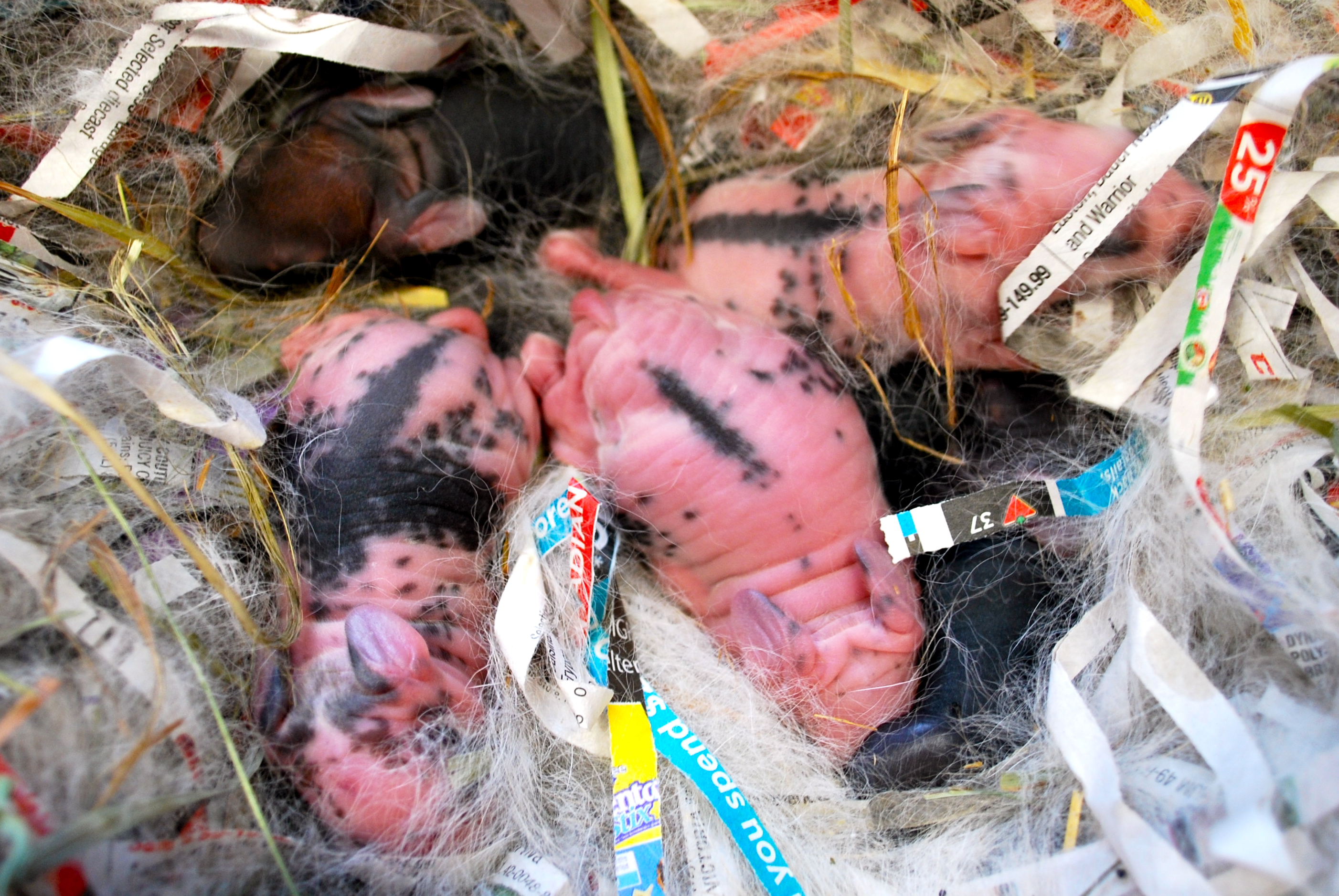
DSC_0010Esther, my lovely Creme d’Argent doe kindled nine lovely bunnies this morning, on day 32 of her gestation. That’s right on time for her. She’s my best mom and nicest doe and my customers love the big, sweet and calm kits she throws.

DSC_0026This time, she was bred to my new broken castor Rex buck, Pine Tar. And so we have our first broken cross litter. Four of her kits came out with agouti coloration, which is expected because she often throws agouti and castor is just another name for agouti in the Rex breed.

DSC_0012She also threw five broken kits. These little guys have come out with a lot more white and a lot less color than the purebred broken Rexes that were born a couple of weeks ago. Most have very well-defined stripes down their back and a lot less markings on their faces. I’m interested to see how their fur texture turns out.

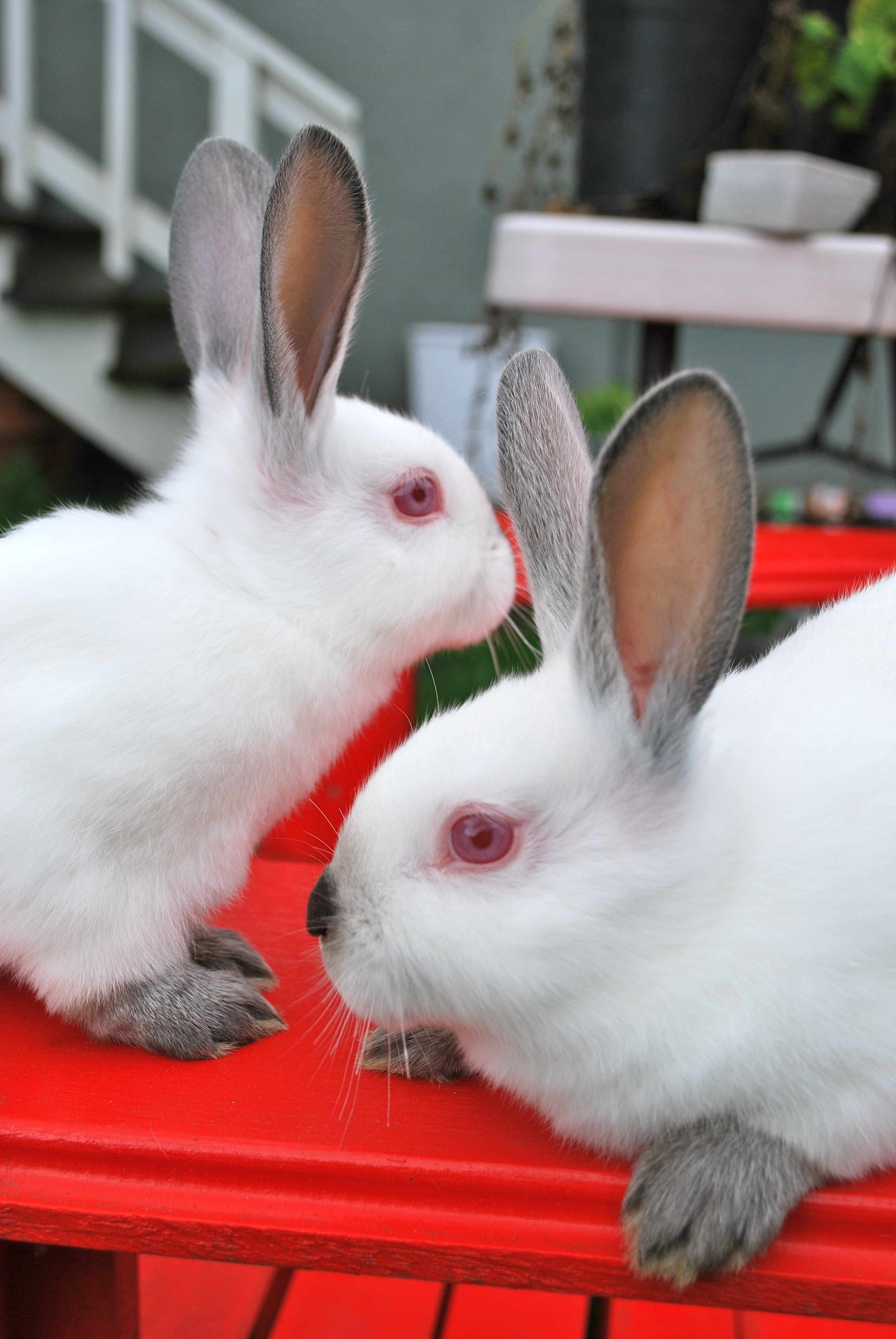
DSC_0020DSC_0021DSC_0025I’m really tempted to breed Samphire, my Californian doe to Pine Tar, so I can see what results. However, it seems like I have a lot of buyers for purebred Californian rabbits right now and her current litter only had two does in it along with six bucks. Not ideal odds when most people want a trio for breeding purposes.

Meet Caraway!

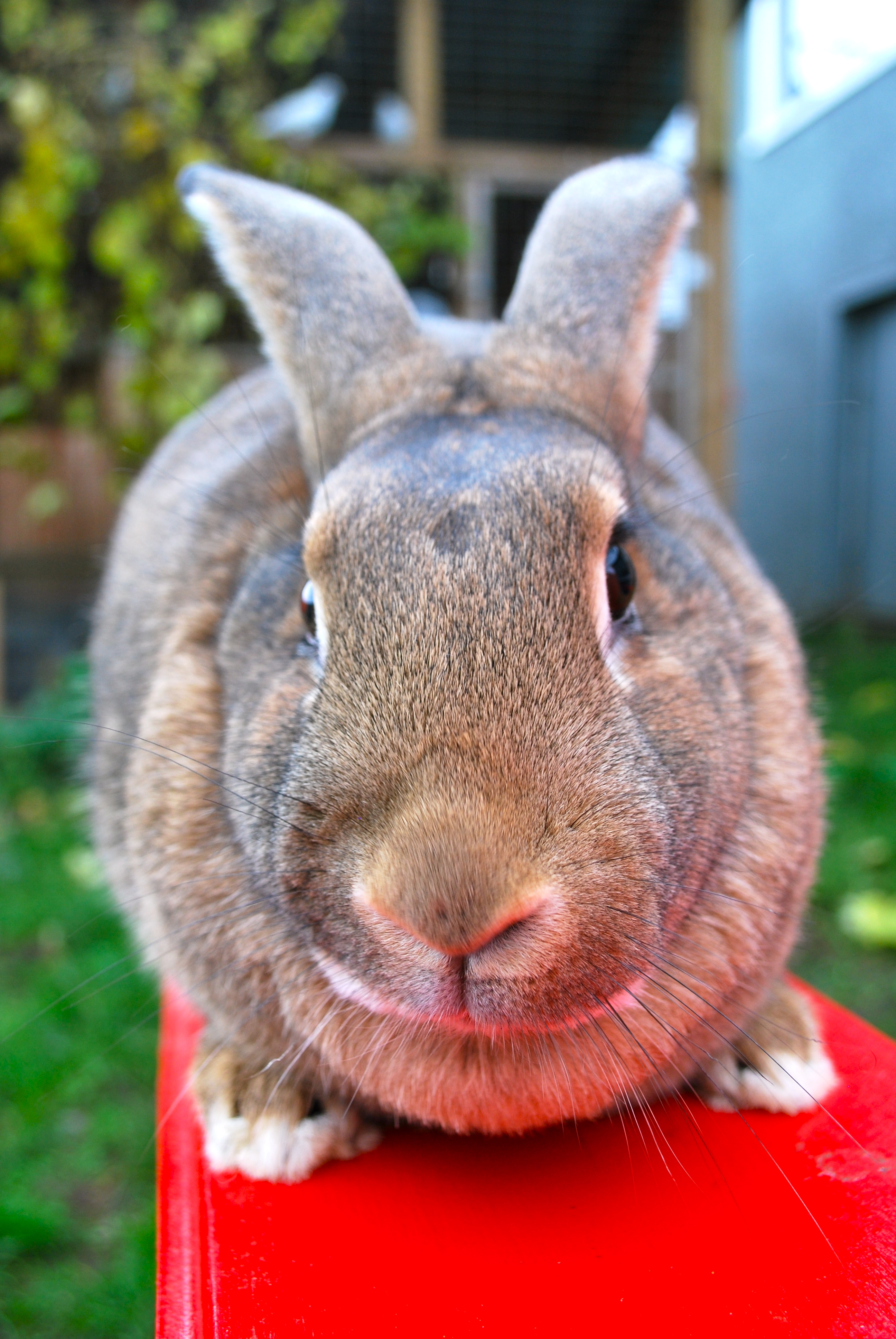
DSC_0090Caraway is the first bunny born at Abernathy’s to reach 5 lbs at ten weeks old. Her mother was Esther, my Creme d’Argent, and her sire was Timmy, my Standard Rex buck who is now retired.

She had an identical sister who also reached 5 lbs at ten weeks and was sold to another breeder. Caraway was a bit heavier than her sibling and actually weighed something like 5.1 lbs on the day BEFORE she turned ten weeks old so she was the one who got to stay. Both sisters have gorgeous personalities.

She’s the first hybrid bunny that I’ve kept, and that was based on her grow out rate. Most bunnies born here take at least 12 to 14 weeks to reach 5 lbs, and that’s not ideal for meat production. She’s nine pounds now but she may get a bit bigger yet.

DSC_0088Caraway is a gorgeous agouti color with a few white hairs sprinkled in for good measure, and is a nice big girl who is very sweet and calm, like all my Creme hybrids.

She is now just about 6 months old and was bred for the first time today to Scorch, my Californian buck. In one month we shall see if she passes down her good genetics to her descendants. If she kindles on time, the kits will share my birthday.

DSC_0091DSC_0098

Golden Marten?

DSC_0076Speaking of Silver Martens (in my previous post), how about this bunny? I have about four Rex/Californian hybrids that came out looking like this. It’s actually a very lovely coloration and reminds me of a Silver Marten with gold ticking instead of white. These bunnies have a white underbelly as well that seems to resemble the pattern of a black otter Rex, which is what their mother was. They also sort of remind me of Tans.

DSC_0079These bunnies have a darker and more lustrous black coat than their white-ticked siblings. Since these are the bunnies who lost their mom and got juggled around, I don’t know if their dam is Tuna or Bluefin. It’s possible that one group came from one mom and the other group from the other.

DSC_0080Maybe the Golden Marten is the new breed of rabbit that I’ve created? Otter Marten? If only I had more cages and could really embark on such an experiment…

DSC_0077

Rex + Californian = Silver Marten?

DSC_0072The hybrid babies are ten weeks old now and their color patterns have turned out to be quite interesting. I have about five or six bunnies that look like this. Doesn’t it look a whole lot like a Silver Marten rabbit to you?

DSC_0068The bunny pictured above is a cross between a black otter Standard Rex dam and a pure Californian sire. She has the white eyeliner, belly, tail, nose-shading, neck triangle, inner ears, chin and white ticking, just like a Silver Marten.

If I saw this rabbit at a show, I would think it was a Silver Marten with below average ticking, as it’s supposed to come up over the entire hindquarters. It’s hard to see in the photo but her black fur is also a little bit grayish and not as dark and lustrous as Silver Marten fur should be.

For comparison, here’s a young Silver Marten kit from a couple of years ago before I stopped breeding them:

DSC_0046He’s quite young here, but you can see the basic coloration he has. Some SMs are born with lots of ticking and some with less. I have had kits who only had it go up a few inches, much like the hybrid doe in the first shot.

DSC_0071Back view of her white ticking. It doesn’t go up very far, but it’s there.

It’s interesting to me to think about the origins of rabbit breeds and how they were initially developed. We seem to accept that no new breeds are being created, although I know there are people working on new colors within existing parameters. It’s mostly about ‘perfecting’ the breed you already have.

I wonder what would happen if I took one of these hybrids to a rabbit show and entered it as a Silver Marten. Could I breed my own version of the Silver Marten using totally disparate breeds? It’s an interesting thing to think about.

DSC_0070

Second Broken Rex Litter

DSC_0032Bluefin broke a record with her first broken litter and had them at 33 days. So far that’s the longest gestation period we’ve ever seen here.

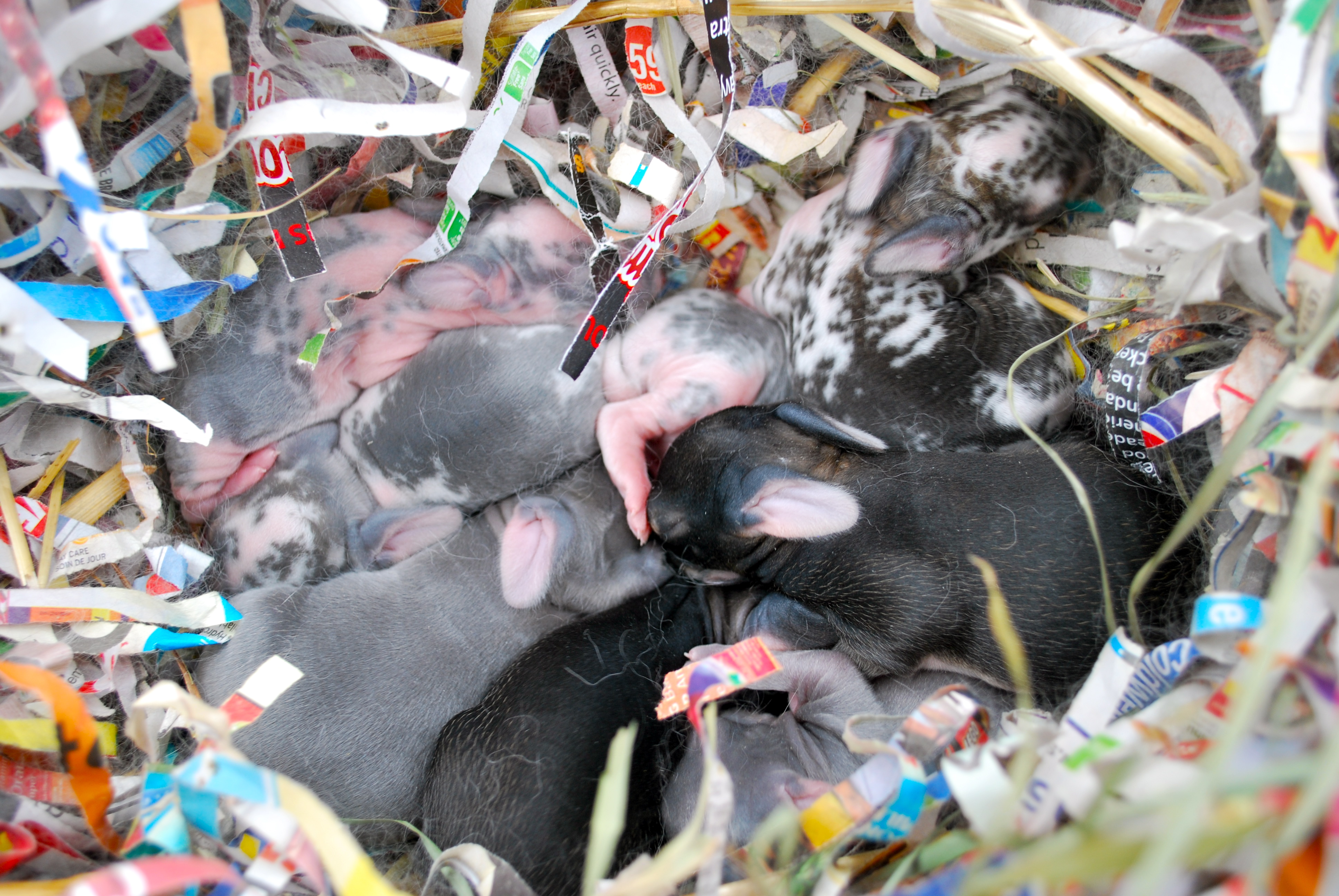
But I don’t mind as long as everyone is healthy. She had eight beautiful little bunnies that are a combination of what look like mostly blues, broken blues, black otter and one broken castor. The blues might turn out to be opals too, we’ll have to wait a few weeks to see what develops.

The one broken castor is very cute and has a lovely intricate pattern with a stripe down his back.

DSC_0036Bluefin barely pulled any fur at all this time around, so it’s a good thing the days and nights are still pretty warm. In any case, they have lots of cozy bedding and each other to keep them comfortable.

DSC_0030

Storm Before the Calm – The Garden

DSC_0003

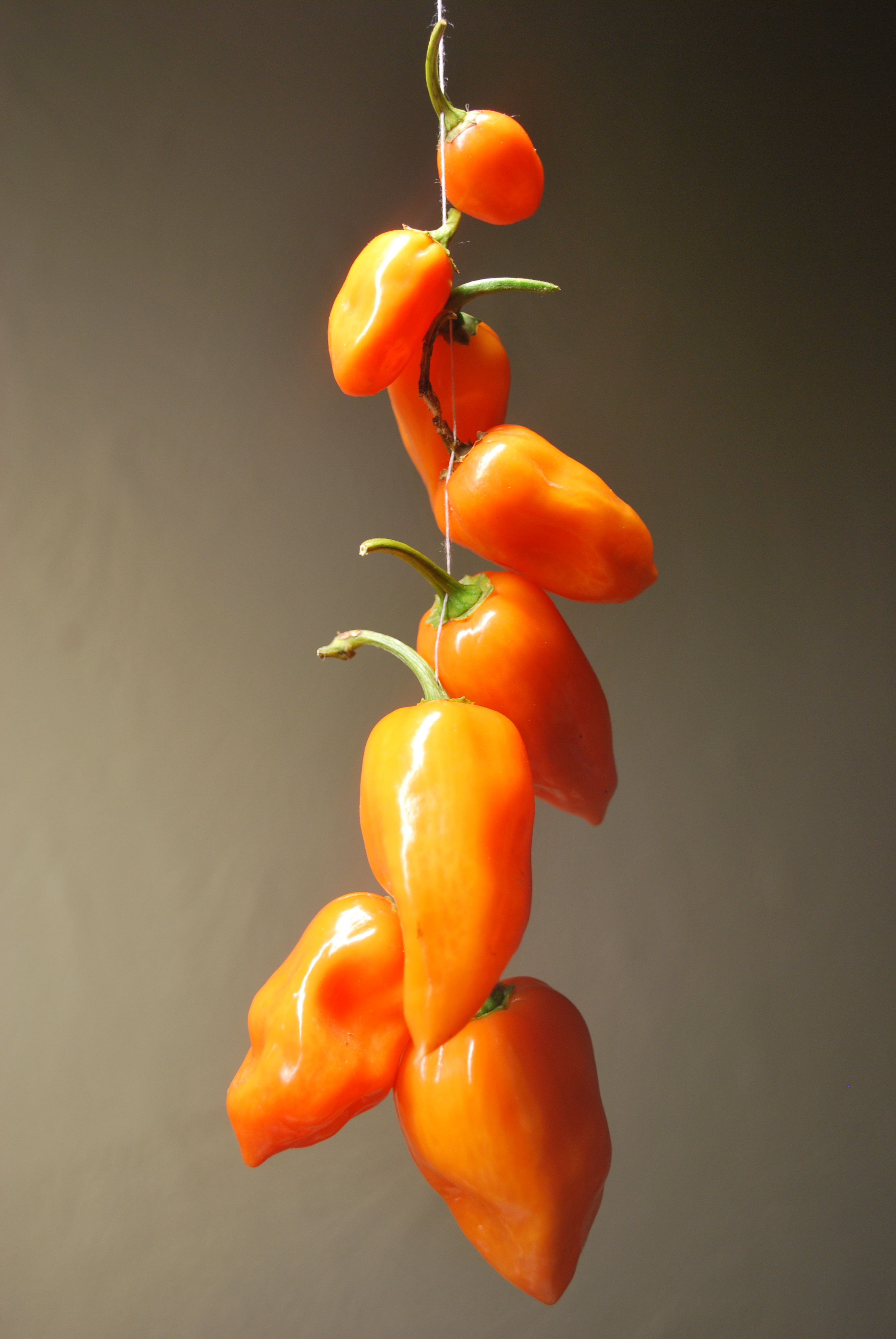
A string of habaneros

We had such a dry summer this year that my garden did not do as well as it should have. Since I don’t have any irrigation set up yet and half my crops were in containers this year, even daily watering just wasn’t enough to get the kind of production I was expecting. I still did very well compared to my first two summers when there were zero gardens here and everything needed to be done from scratch, so I’m not complaining.

DSC_0020

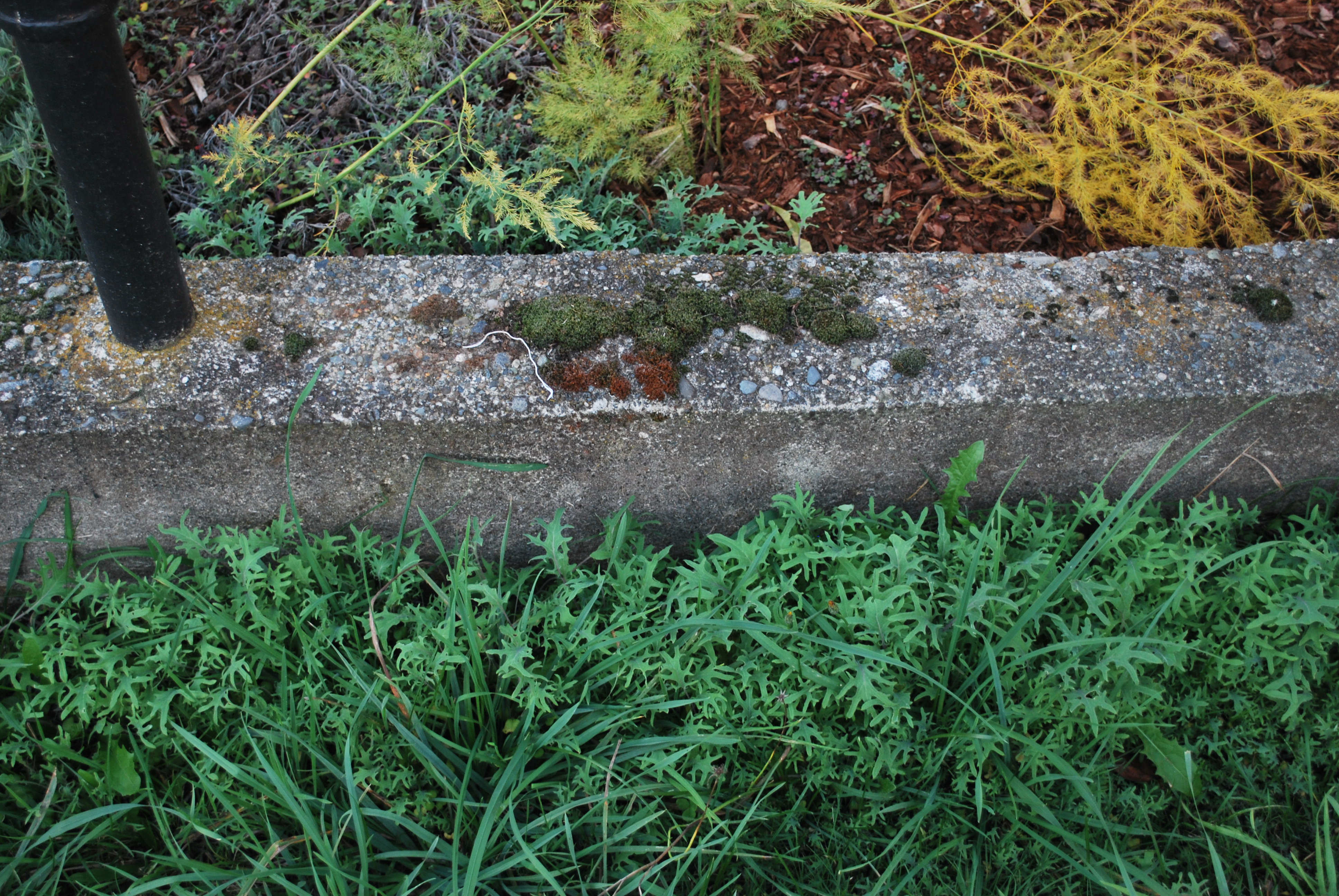
Kale seedlings in the lawn

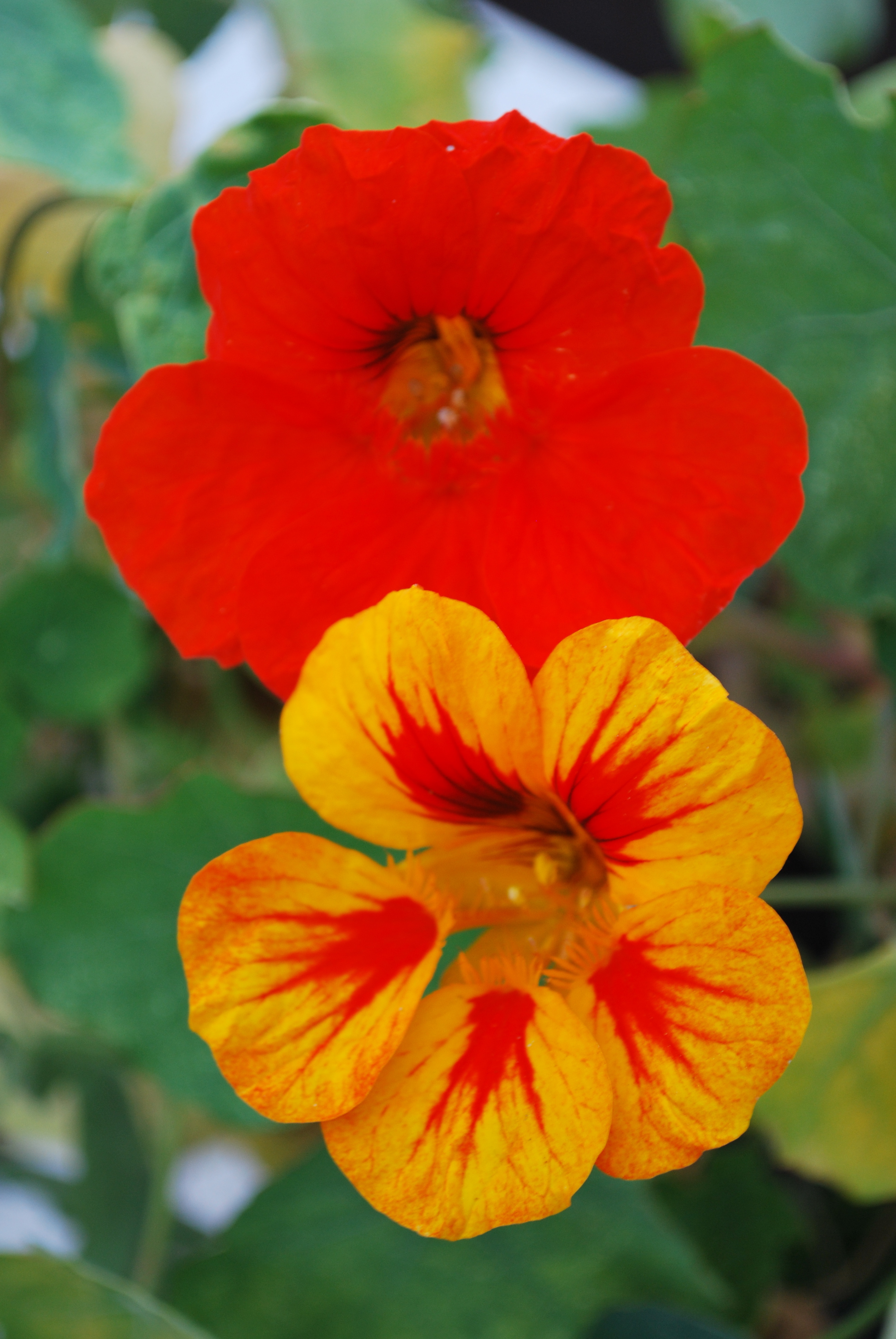
Now that it’s cooler and the rains have finally decided to fall on us again, a lot of my garden is exploding with new growth. My cilantro looks like the grocery store variety for the first time ever, I have about a billion Red Russian kale seedlings popping up all over the place, the arugula is back in full force after seeding itself, and the celery and artichoke plants are growing as fast as they can. The optimistic tomatillo plants have more flowers than leaves, the nasturtiums are twining everywhere, the Lacinato kale is huge and the leeks are putting on girth.

DSC_0002

Spicy nasturtium blooms

My lone habanero plant did well, and I have been collecting little orange peppers and hanging them to dry. I got a handful of poblanos and a bunch of jalapenos as well, and I’m going to bring my plants inside before it gets frosty and try to keep them alive over the winter. I foresee a fungus gnat infestation in my future… Hope I’m wrong!

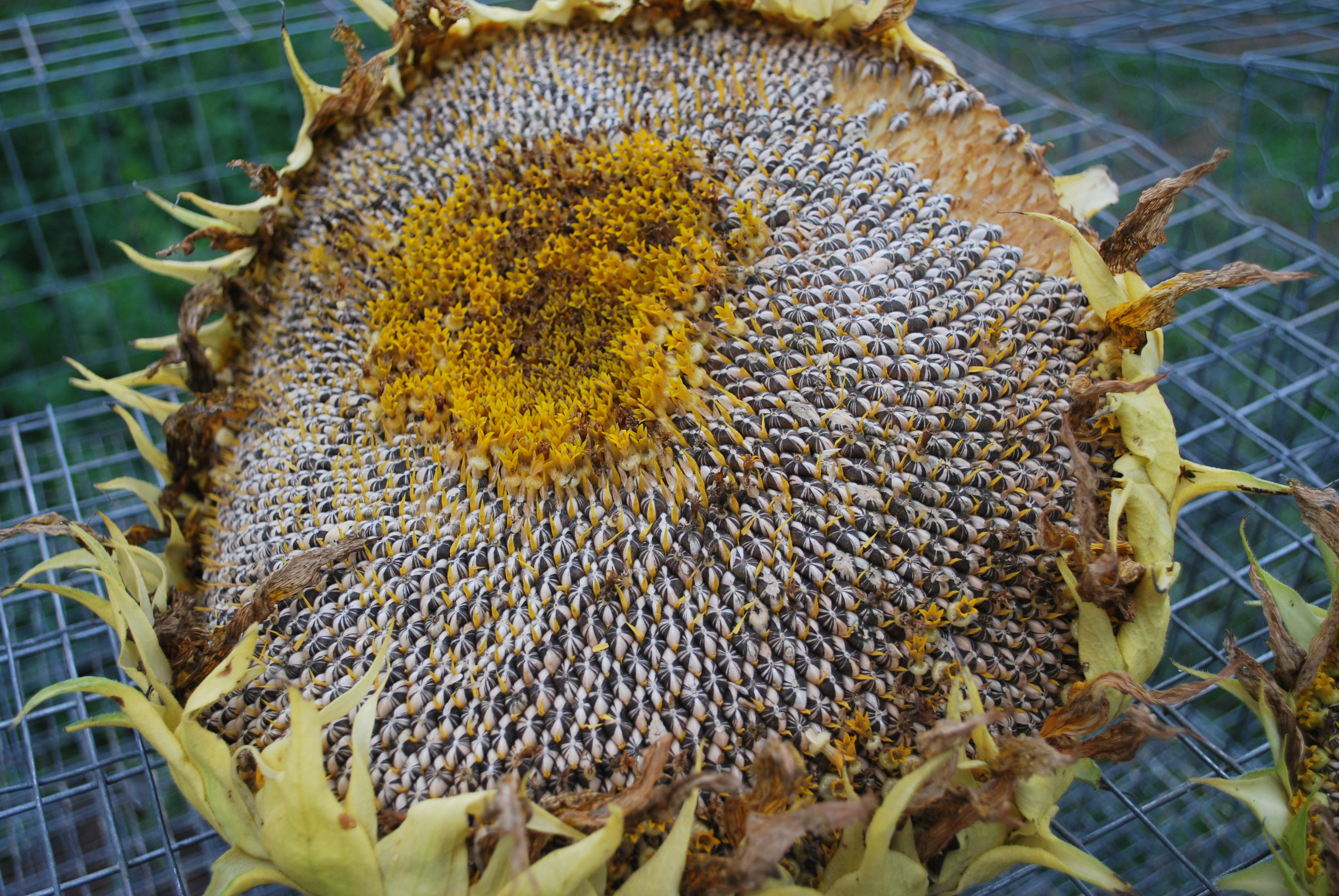
DSC_0013A few plants have departed, the tomatoes are long gone and their skeletons have been picked clean by chickens and ducks. The okra is brown mush after a pitiful harvest of of about six pods, and the cucumbers are toast. The Mammoth Russian sunflowers in the ground did pretty well and were cut down. I’ve saved a few heads for growing more. DSC_0001

I discovered this year that rabbits LOVE eating sunflower plants, so I’ll be planting a large crop of them next year, along with the black oil type. Even the dead brown sunflower leaves seem to be considered a treat and they store well along with being cheap, easy to grow and drought tolerant. It’s also neat to see their heads turning to look at the sun all day long.