Update on Rex & Silver Marten Litters

Image

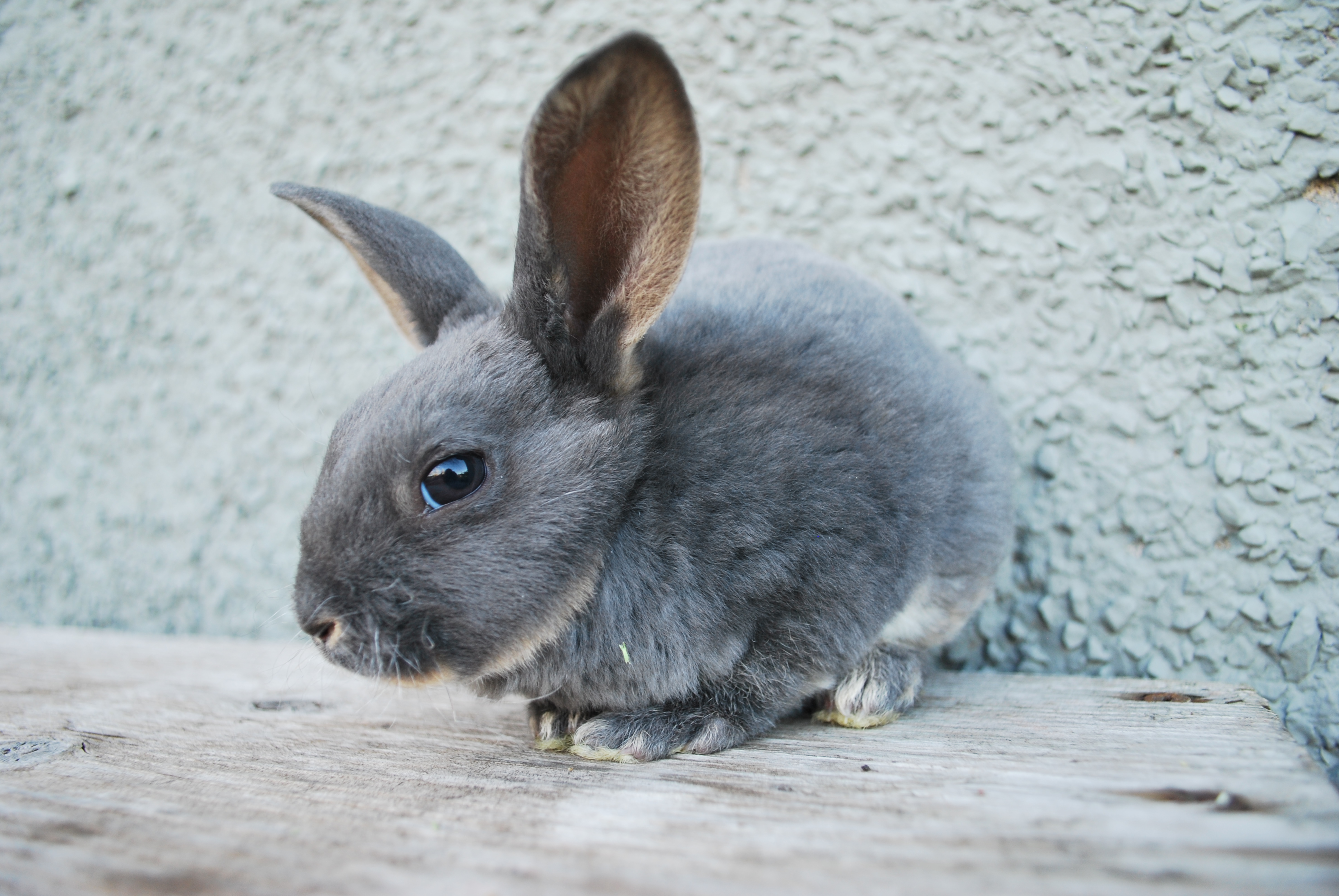
Blue Otter Rex kit, 4 weeks old

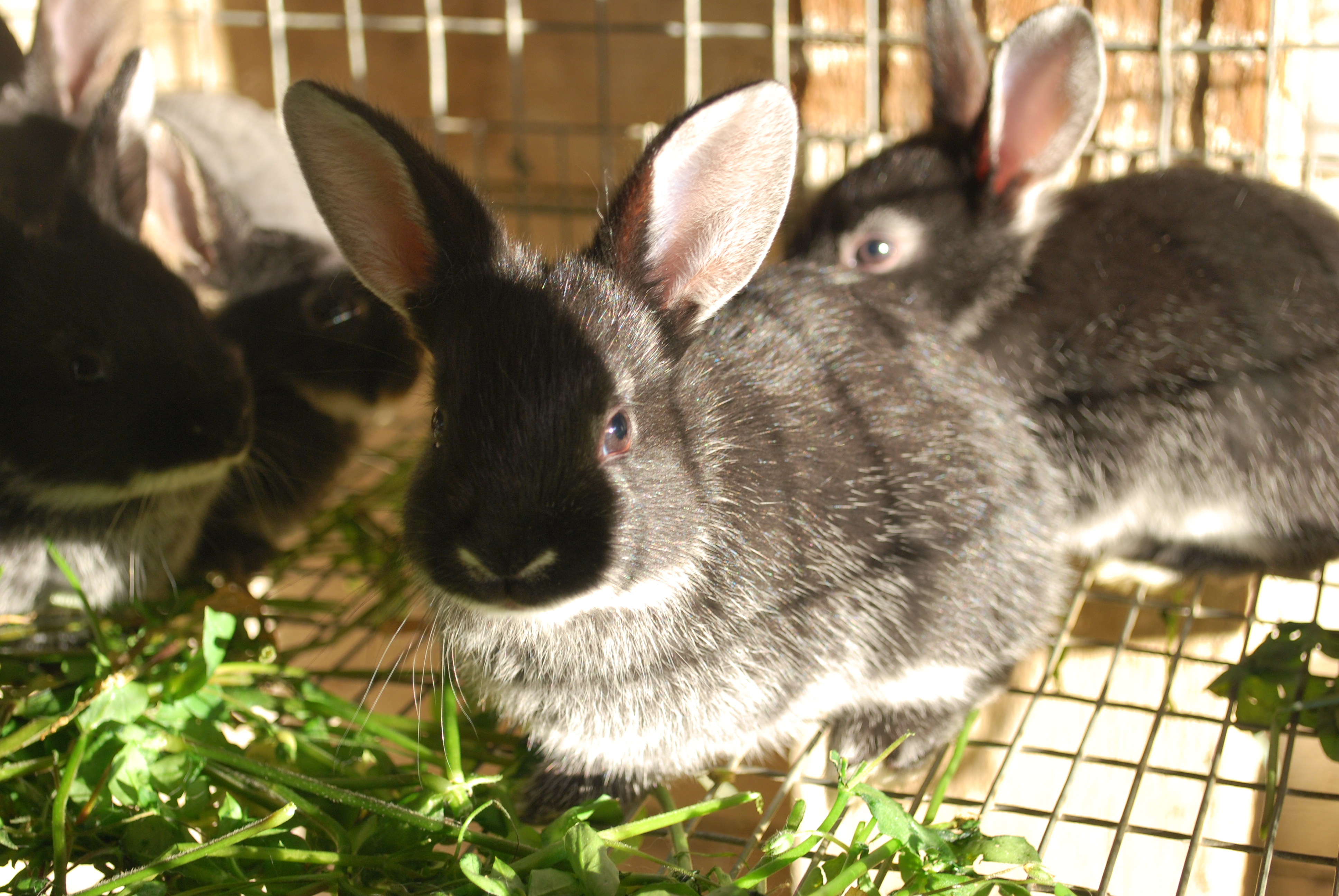
The 18 kits are all four weeks old now and still all living. One Silver Marten kit is fairly skeletal and I’m not sure he’ll make it. Other kits are smaller than they should be at this age, but that’s to be expected with the issues we had.

The Blue Otters that popped up in the Rex litter are beautiful. I hope the one I have my eye on turns out to be a doe, as I’d like to keep her. It’s interesting to see the differences in fur density and marking quality. All the Rex kits are just so friendly and the Silver Martens are taking a cue from them. I’m not used to babies seeking petting and attention and being so curious. Giving you happy/sleepy eyes when you rub their ears. Usually they all freak out and pile into a corner until the Hand of Doom retreats.

I decided once they all came out of the nestboxes that I was just going to load them up on fresh greens. They were malnourished and the mothers had been used to eating these same greens, so I took the chance. Every day they get huge bunches of grass, dandelions, chickweed, blackberry brambles and plantain. They all love it, and seem to be doing very nicely on it.

Image

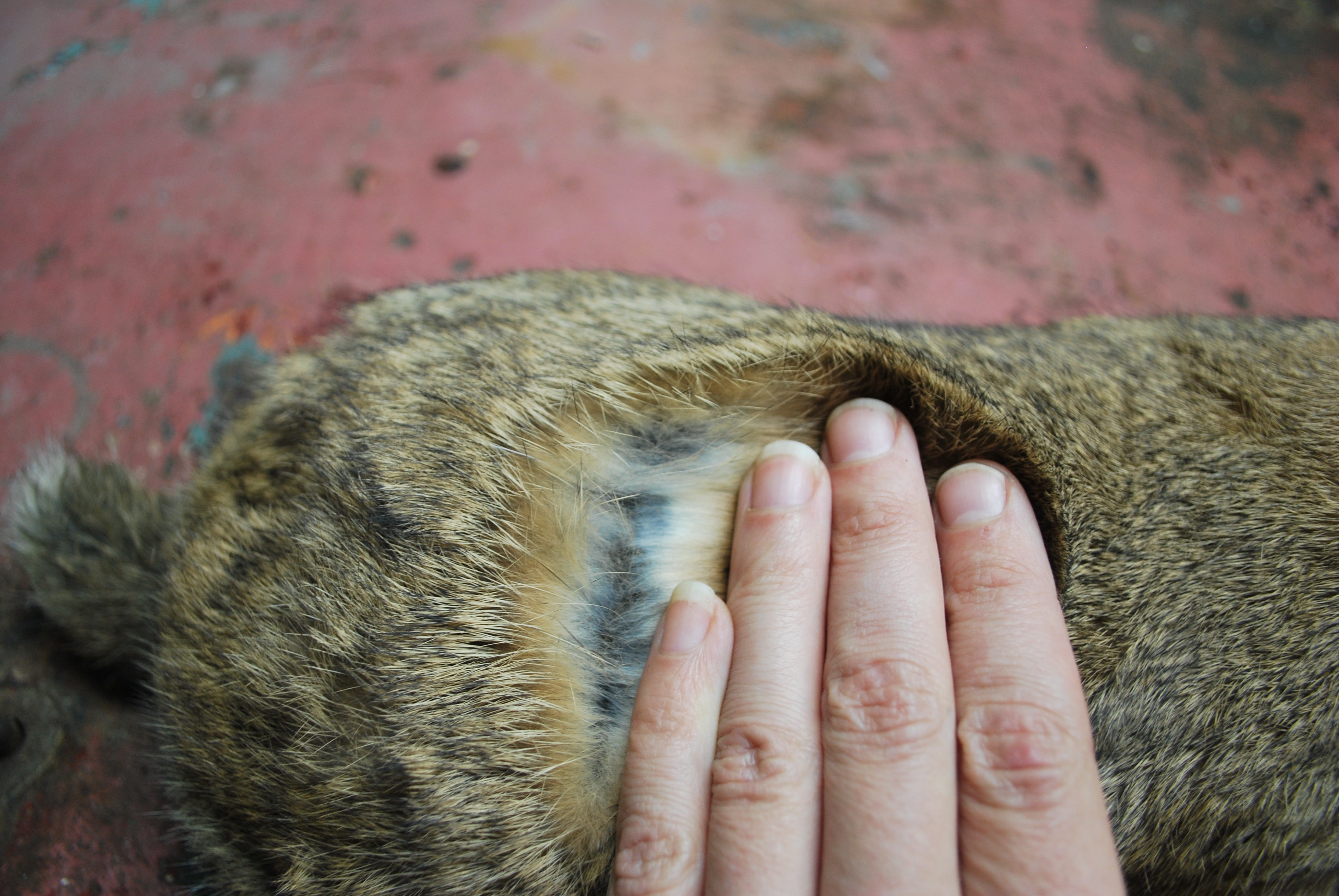
Silver Marten kit, 4 weeks old

DSC_0027

Tuna’s mixed litter

Flip Them Before You Equip Them

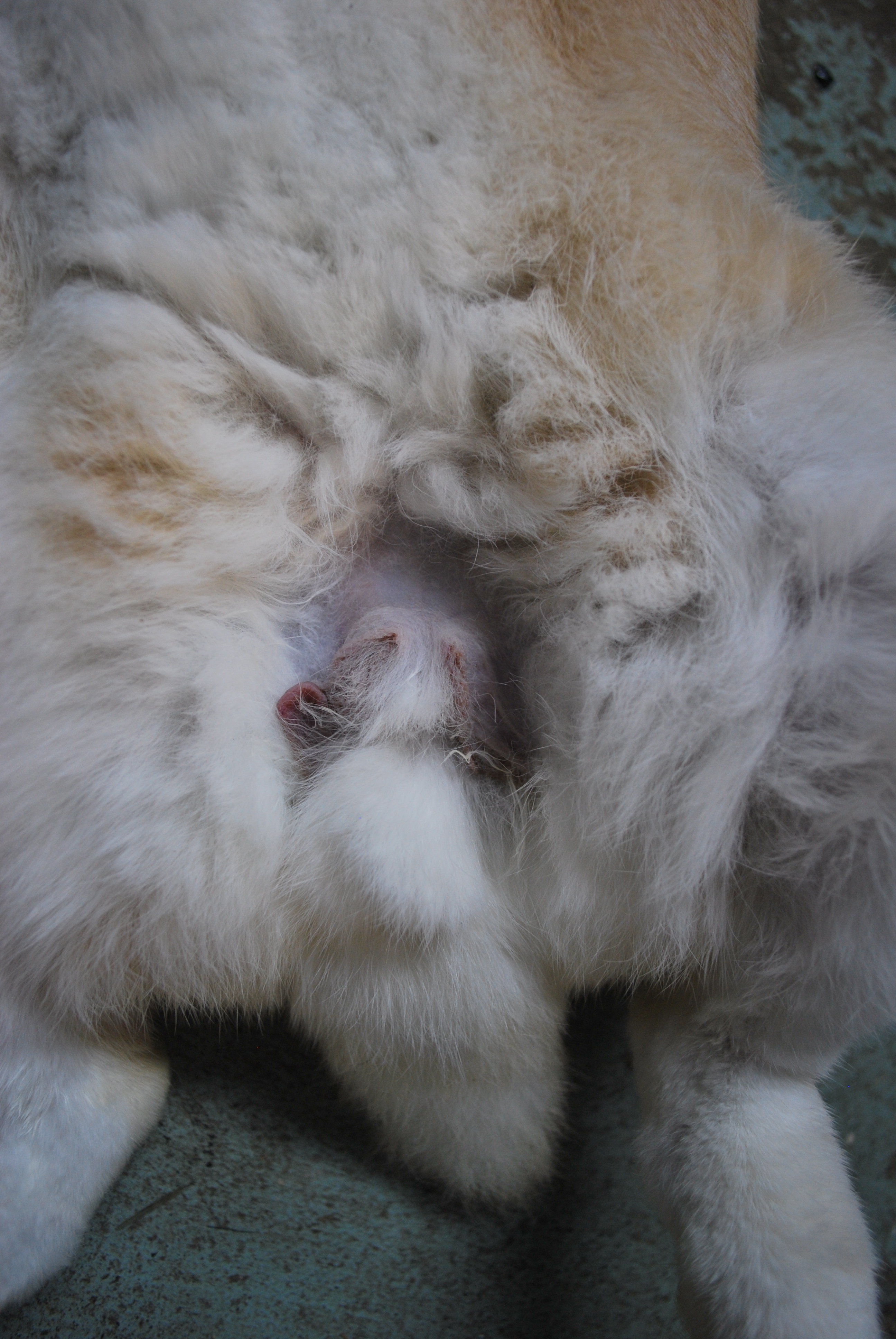
It took around seven failed matings before I decided to cull my Creme d’Argent buck, Orion. You’d think during all that time I’d have flipped him over at least once?ImageDSC_0002

What a mess. Rabbit testicles aren’t supposed to look like that. Oh well, at least now I know to check out the equipment first before putting rabbits together. He looked fine when he was younger. On the upside I now have a baggie in my freezer marked “Orion’s Pelt”.

Out of the Nestbox… Really?

Image

Woke up to this

Despite all the problems we’ve been having with these two litters, I still have yet to lose a single kit after the one runt passed a couple of days after kindling. The kits are now just about two weeks old, and although smaller than usual, they all seem to be doing fine. Eyes are opening without issues and today, Rosalind’s kits decided it was time to leave the nest. Most of them anyway.

I don’t normally see such small kits out of the nest on their own, unless by accident. But today more than half the kits were snuggled together out on the wire. I made the decision to remove the box and line the cage with hay. I’m sure it will be easier for Ros to nurse this way anyway, and it’s very warm out so I’m not too concerned. These kits are real troopers!

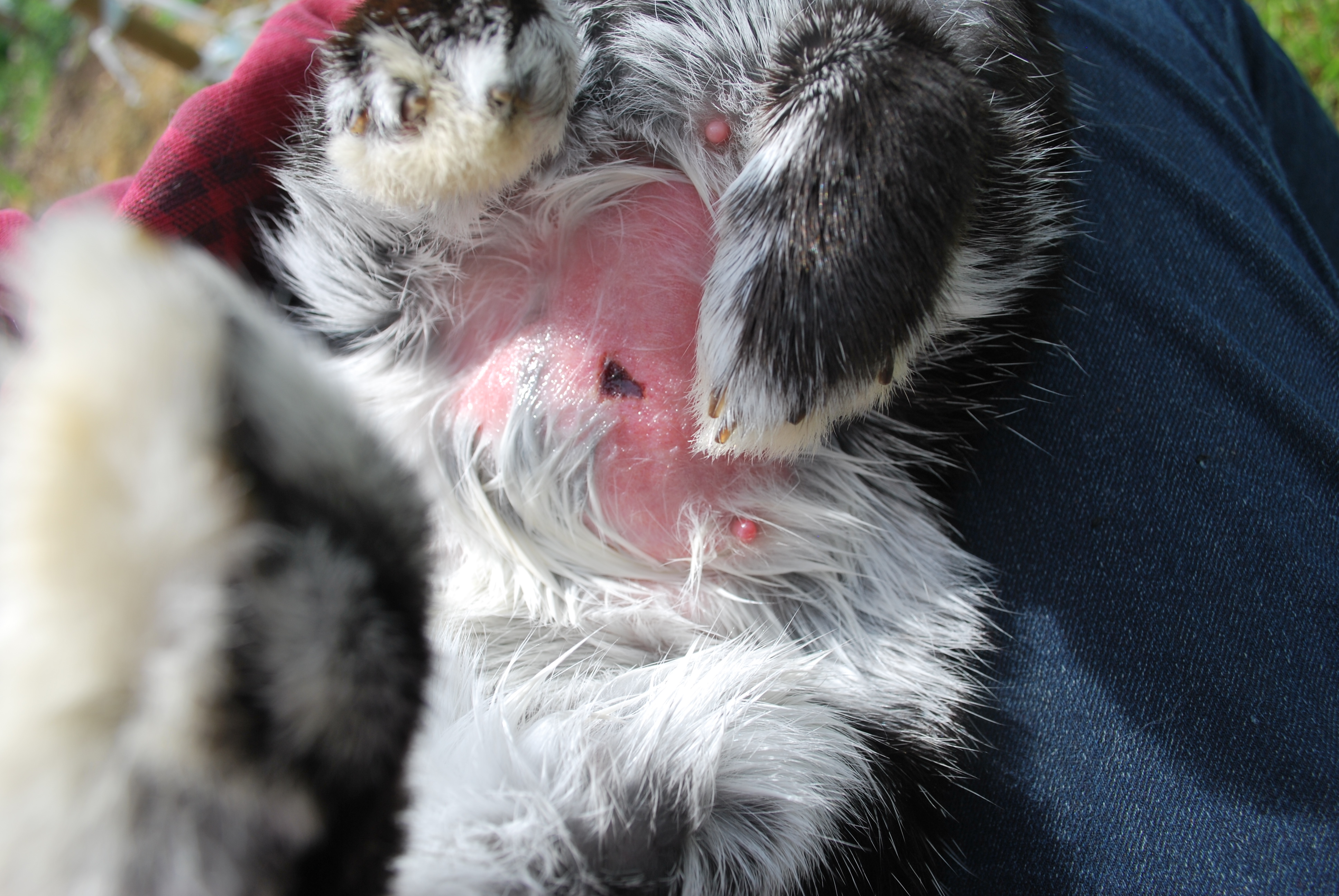
All the info I’ve read says to remove kits when a doe has mastitis. I could have done that, but I’m pretty sure I would have lost them all since they’re not really even eating solid foods yet. She only has one infected teat, and although it doesn’t look any better today, she seems to be active and comfortable. I doubt the kits are able to even access this nipple and she seems to be feeding them decently otherwise. Time will tell I guess. I continue to add apple cider vinegar to her water, provide plenty of hay and see how it goes. I may not continue the camphor rub treatments as I noticed she immediately went to work licking it off and I don’t think it’s meant to be taken internally.

Ironically, the more-developed kits in Tuna’s cage (which are actually a mix of her and Ros’ kits) are still snugly in their nest. She’s feeding them very well and I think the hand-feeding they received when very small has made them much friendlier. They don’t freak out when I put my hand in the nest like most young kits, these ones like to snuggle into my hand and enjoy tiny ear rubs. Ok, so just the Rex kits are acting this friendly. Are Rex bunnies more affectionate in general? More research is needed but so far the difference has been quite noticeable.


And Then… Mastitis.

Image

Rosalind has mastitis.

I should have paid more attention to what appeared to be a period of caked breast with this and her last litter. The first incidence resolved itself, but now she definitely has mastitis. I don’t think she’s feeding the kits at all and that’s the only reason I haven’t removed them yet. She’s really a very smart rabbit.

I wonder if this was partly my fault for free-feeding her so soon after kindling and piling on rich additives like oats. I wanted her producing well because at first, Tuna didn’t lactate so I needed a backup. Learning a lot with these two litters. I was told by a professional rabbit breeder not to free-feed until 12 days after kindling… Usually I adhere to this command but didn’t understand why.

The first thing to do was remove all concentrates, which includes pellets, leaving her alone with hay and water. I noticed her eating the occasional piece of straw, which is unusual for her. The very first day she didn’t drink a drop of water. One reason I will probably never move to a larger-scale watering system. The early diagnosis value is too important.

I added apple cider vinegar to her water bottle and an additional crock so she could drink more easily. She appreciated this and drank quite a bit. It seems painful for her to move around her cage too much, poor thing.

I also gave her fresh blackberry leaves and cane, rosemary and comfrey leaves. I figure I don’t know all that much about rabbit medicinals, but at least I could offer her some choices to self-medicate. By morning she had consumed everything (I hadn’t removed her pellets at this point yet so she wasn’t starving).

I’m now on a regimen of hot compresses and camphorated menthol rub on the affected area. She seems to get a lot of relief from these treatments. If I deem it to be getting too bad I am prepared to lance and purge, but this is a future scenario for now. Only one teat seems to be affected.

She’s a fighter, and she still seems very alert and active. All kits are still fine and their eyes are even starting to open. They do look a lot skinnier than I’m used to at this age though.

Juggling Kits: Maximizing Survival Rates

Image

I know that rabbits only have eight nipples and nurse once or twice a day for short periods, so I wasn’t surprised that even our best mums had only managed to raise nine to ten at best, to weaning age, per litter. Often they have more than that, so we’re used to losing a couple, always the smallest ones. I didn’t really have a problem with this, I check nests daily and count kits, removing any dead ones. Dog treats.

But now I think I have a better plan. I already know to breed more than one doe at a time (or within a few days) in order to give myself options. Since our latest trouble with Tuna’s first litter, I’ve developed a process for juggling foster kits. You don’t even really need two does with litters for this trick, but it helps.

Now, don’t let anyone tell you that rabbits will not take care of kits that smell different. Maybe some high-strung rabbits somewhere would kill foster kits, but in my experience does don’t even notice. As long as it’s her nest with her fur in it, the kits should be fine. Check daily and relax. Do not switch nests, just kits.

This method will allow you to raise more rabbits than you normally would with just two does. I consider 9 kits per doe to be more than average, but I think you could raise up to about 24 kits per two does, to weaning age.

Day 1

1. Wait 24-48 hours after both litters have been born and have been fed at least once (it’s ok if some kits look underfed).
2. Start in the afternoon, as most rabbits nurse in the evenings. Remove the biggest kits from both litters and place in warm holding area for 24 hours. Choose only biggest, fattest kits. They should be obvious.
3. Place all smallest kits (up to 8) in nest box of largest, most capable or experienced doe. If kits are very small and thin, add only 6 of them.
4. Place all secondary, or mid-sized kits (up to 8) in nest box of lesser experienced/smaller doe.

Day 2

1. Add fattest kits to smallest doe’s nest.
2. Put secondary kits in warm holding area for 24 hours.
3. Leave smallest kits with largest doe.

Day 3

By now the smallest kits should be looking good and everyone should be alive, if not huge. If smaller kits are still struggling, repeat the juggling of the fattest and the secondary kits for another 2-3 days. Then use your best judgement and split the litters evenly between the two does. In the first two weeks you can always remove the largest kits and put them away for 24 hours (maximum) to allow malnourished kits to catch up.

Bunnies want to live, and they will if given a chance. They might not grow as fast but they should survive. Once they’re weaned they can eat to their heart’s content, so it’s really just about getting them to that point.

Lactation Issues

Image

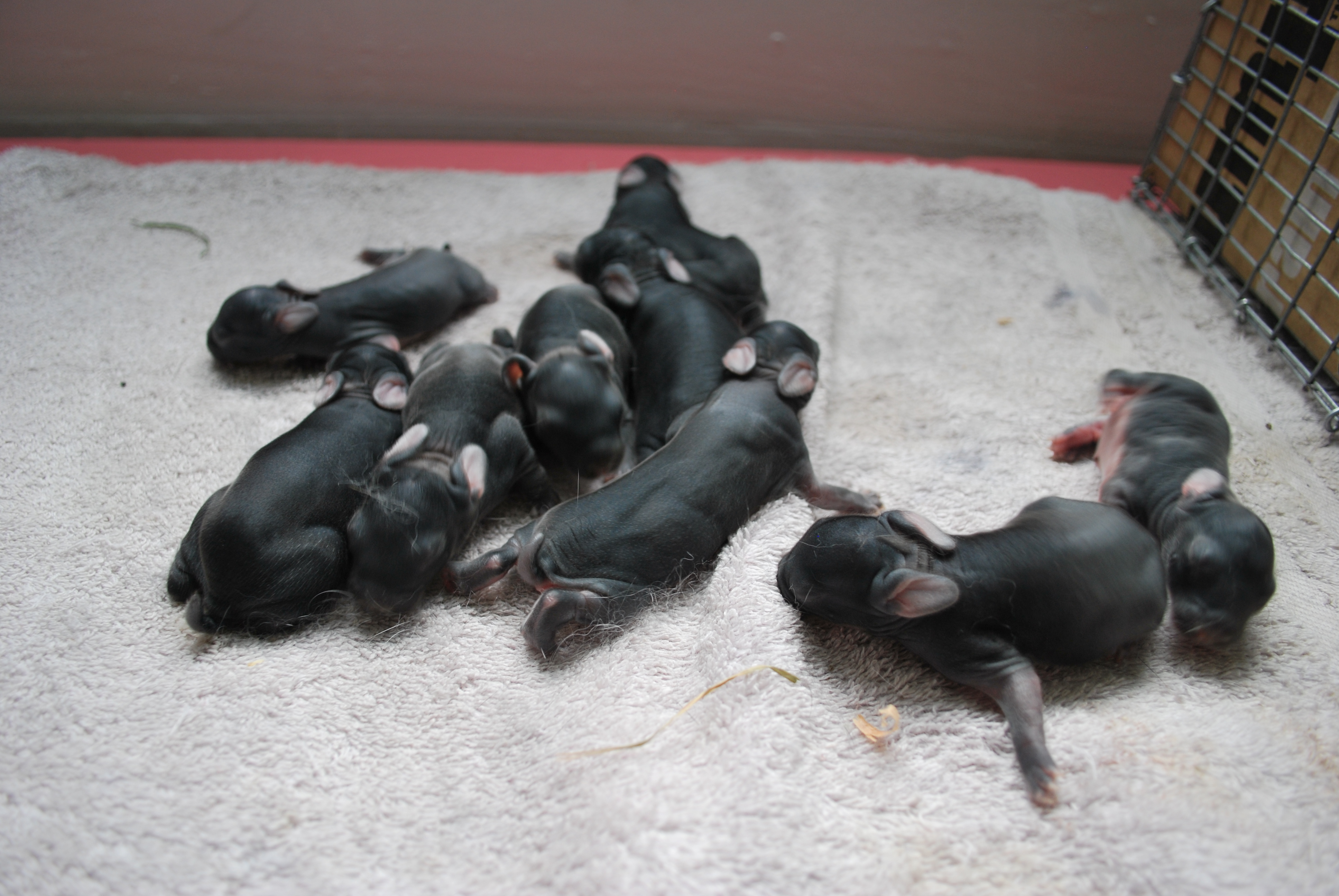
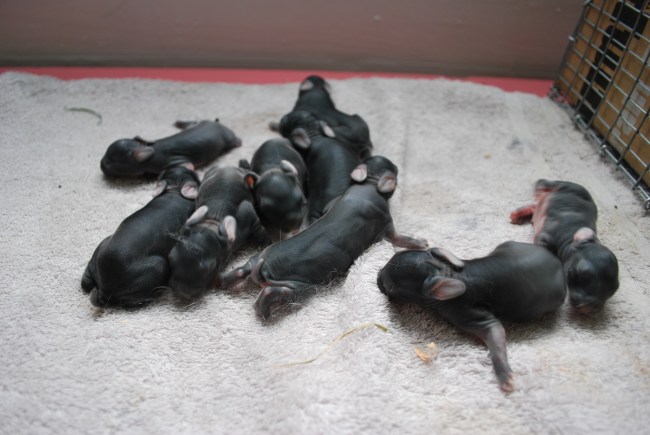
These day-old kits do not yet show the full fat tummies that prove they are feeding well

After all the excitement of getting our first Standard Rex litter after almost a year of trying, things started to go wrong, fast.

Tuna did everything right, she pulled fur, she had her kits inside the nestbox, she cleaned them up. So far so good. After the first 24 hours the kits were all still alive, but it was obvious that they were not being fed. Their bellies were wrinkled and shriveled, but they were still very active. Ok, first time mom, let’s give her another day. That evening I even went in very late to check on her, and she jumped in the nestbox to “feed” and tend to her kits, right in front of me. Something none of my other does have ever done. I was hopeful. The next morning however the kits still looked emaciated and the runt had perished.

I took Tuna out of her cage and sat with her on my lap while I tried to allow her kits to nurse. They went frantically from nipple to nipple, seemingly getting nothing. Maybe Tuna wasn’t lactating yet? Good thing Rosalind also kindled a litter recently, so at least I have options. I filled up Tuna’s hopper with pellets and whole oats and went to the feed store for KMR (kitten milk replacer) and a baby bottle. I have access to whole goat’s milk as well but wanted to try the KMR first as it seems richer.

Thus began my first adventure with hand-feeding newborn rabbits. I mixed up the warm formula, set up a towel with a heating pad underneath and some warm wet washcloths and went to work. I started with the smallest kit and began by wiping the genital area to stimulate excretion. Once I got a little stream of pee, I went ahead with the feeding. Despite how eager they were to search out nipples on their mom, they weren’t enthusiastic about the formula. They put up quite a fight, and I only got a very small amount in each one. It takes a long time. You have to be very careful that the liquid doesn’t get squirted into the rabbit’s mouth and that it doesn’t enter their nose. If they aspirate milk into their lungs they can get pneumonia very quickly and die. You will be feeding drop by drop and waiting for the baby to finish the drop before you offer more. When they start fussing and refusing, they are done. They need to be cleaned thoroughly with a warm washcloth so the dried milk doesn’t cause sores, and their genitals need another round of wiping. On to kit number two. Feeding all eight kits took probably about two hours.

Two hours. I’m a busy girl, there’s no way I can hand raise all these kits. Not to mention the success rate for hand-raising kits so young is very poor. I need another solution. Maybe Tuna’s milk will come in with a little encouragement? Time for a little nestbox juggling.

Luckily Rosalind has always been a great mom and she had a new litter too, born the day after the Rex kits. For once I found myself wishing she had produced a small litter so I could foster more easily. No such luck, she usually throws 9-12 kits per litter and this was no exception. Ten kits. Ok. Her kits looked very well fed for the most part, at least seven of them looked very fat and large. I removed these kits and placed them in a warm holding area and replaced them with all eight of Tuna’s starving kits. I put the nextbox back in with Ros around 7pm and left it there all night. The seven large Silver Marten kits were placed in Tuna’s next box for a few hours to absorb some of her smell and then placed in with Tuna. My hope with this arrangement was that Ros would give all the starving babies a good feed, while the strong babies could stimulate Tuna’s lactation with their more vigorous nursing. But would it work?

Well, I went to check on everyone this morning and was very pleased to find all starving babies with full, fat tummies. Good work, Ros! Even the kits left with Tuna look like they’ve been fed, albeit not much. Possibly since she’s a first time mom her milk is coming in late and there’s not a lot of it. I’m going to continue to free-feed her pellets and oats and hope that her production increases. In the meantime I will keep rotating kits to keep everyone fed, I hope. Can one rabbit doe provide enough milk to feed two large litters?

Our First Standard Rex Litter

Image

I had almost given up on Tuna. We attempted to breed her once she hit six months old at the farm where she was born. She lived with the buck for nearly three weeks there and then… nothing. Then we acquired Timmy, who was formerly a pet rabbit and also had Black Otter coloration. Perfect! The first time we tried to breed these two, again, we got nothing.

But it looks like the third time’s the charm! For a first-time mom, Tuna did a great job. By her attitude, I was almost sure that this breeding was going to be another failure. She didn’t look any bigger, and palpation seemed to show nothing happening. She kept her appetite up throughout the pregnancy and her demeanor was always the same. Sweet and lovely. In fact, she got even sweeter and more cuddly!

Last night she pulled fur, and had all nine kits right where they were supposed to be, in the nest box. All alive and well. Though we were expecting Black Otter, there look to be some paler kits in the bunch so that’s very exciting. Since Timmy’s background is unknown, we’ll just have to wait and see what develops.

What Do You Get? Silver Marten X Creme d’Argent

This was something I researched a lot when I was first getting into cross-breeding rabbits but couldn’t find a whole lot of information. I wanted to see what the resulting bunnies would look like. There are lots of “cross-bred” rabbits out there but I’m talking about F1 hybrids which supposedly benefit from “hybrid vigor”.

I didn’t want to cross-breed necessarily but I wanted rabbit meat and it was my only option at the time. I actually found the coats of the offspring to be very attractive and wild-looking and the growth rate was good. The kits had very cute black eyeliner and ear tips.

So, what do you get when you cross a Silver Marten sire with a Creme d’Argent dam? You get this:

Image

Silver Marten X Creme d’Argent hybrid kit at about 12 weeks old, just prior to processing

A large brown rabbit that looks very much like you would expect a wild rabbit to look. Of course, that’s just what I got. I’ve had a few litters where the kits look consistently like this. A few end up a bit darker, but otherwise they look like agouti coats. I’m considering eventually keeping a doe for breeding and would mate her to a third breed, supposedly maintaining hybrid vigor. I’m definitely excited to try more hybridization in the future.

DSC_0067

Looks like agouti