Training Young Raptors

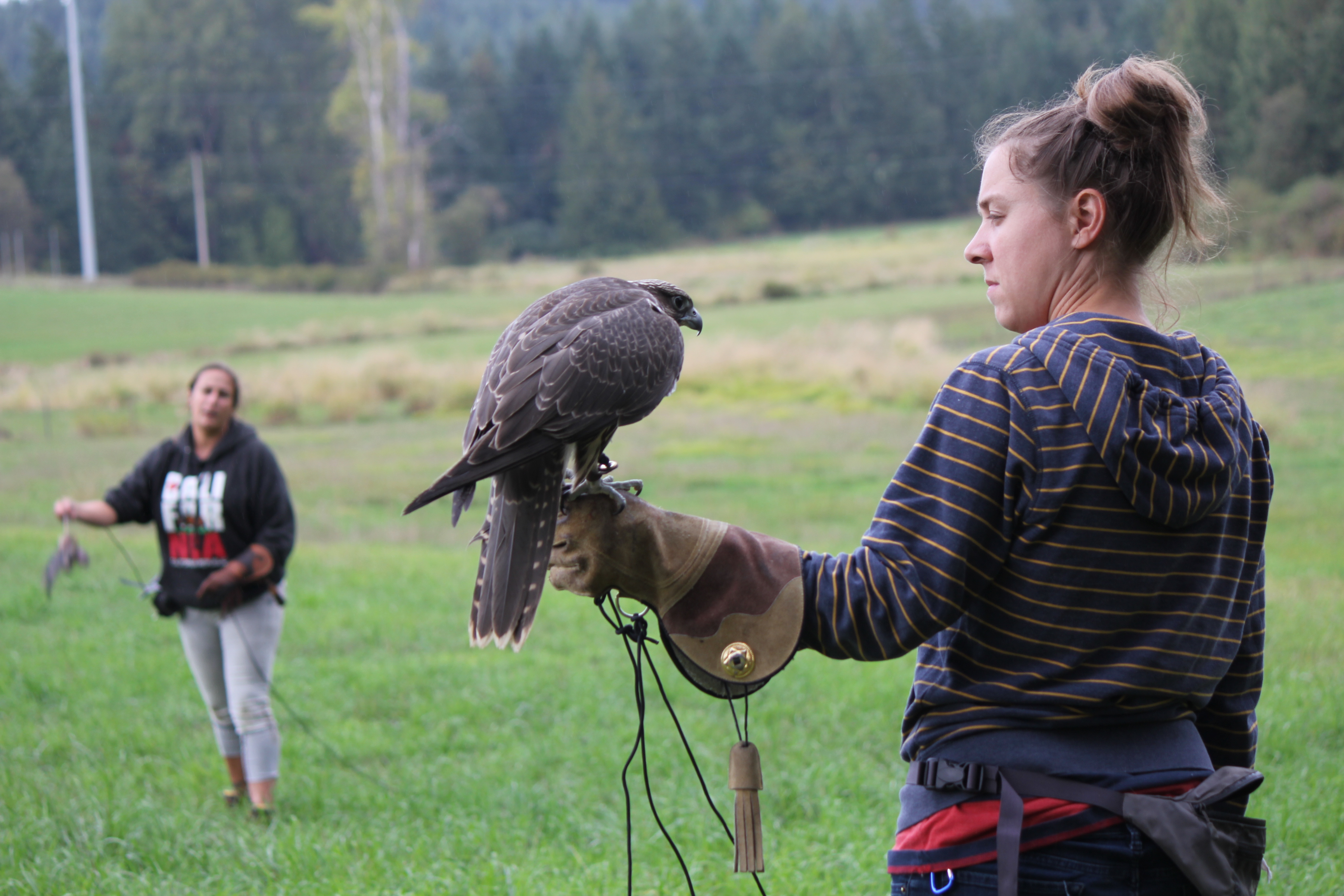
IMG_9425

Lure training a young female Gyr/Saker Falcon

One advantage of having my talented journalist boyfriend home for a visit is that I get great photos of my latest activities!
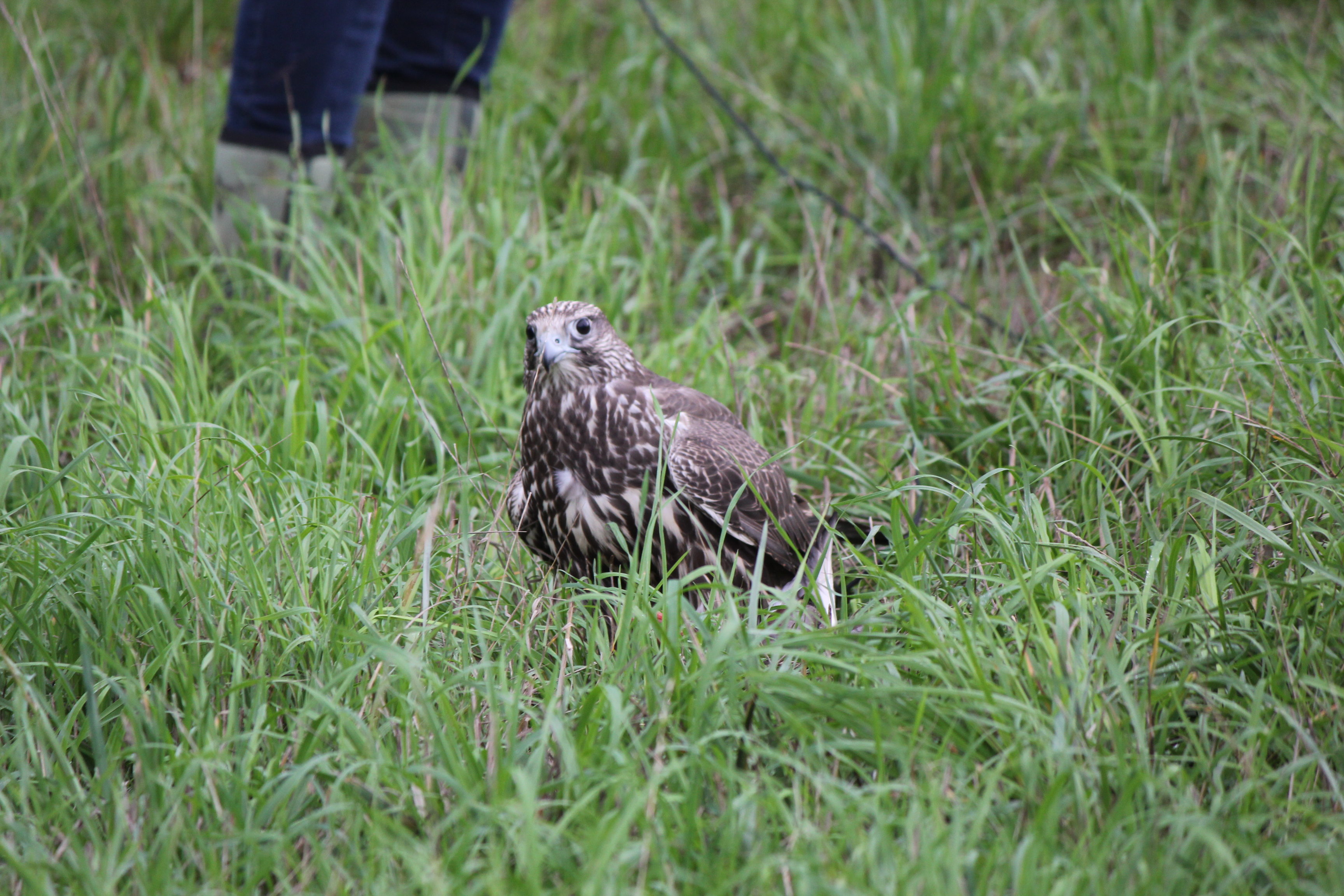
IMG_9445

Not interested in the lure

I’ve been working at the Raptor Centre for about a month now and it’s been magical. I’m lucky to be there at a time when there are many young birds to train: Cooper’s Hawks, Red Tailed Hawks, Harris Hawks, Peregrine Falcons, Gyrfalcons and Gyr/Saker Falcon hybrids. They all need glove training and flight training.

IMG_9319

A young Peregrine Falcon

IMG_9344IMG_9338IMG_9351IMG_9353IMG_9363Above is a young Peregrine Falcon I’m feeding on the glove. This is so he can learn that the glove is a nice place to be where he gets to eat. At first he wasn’t interested in his chunk of raw quail and was preoccupied with trying to take it away to enjoy somewhere else. You can see how hard he was leaning to one side. Once I tried wiggling the meat in my glove a little he changed his mind and decided to chow down.
IMG_9203

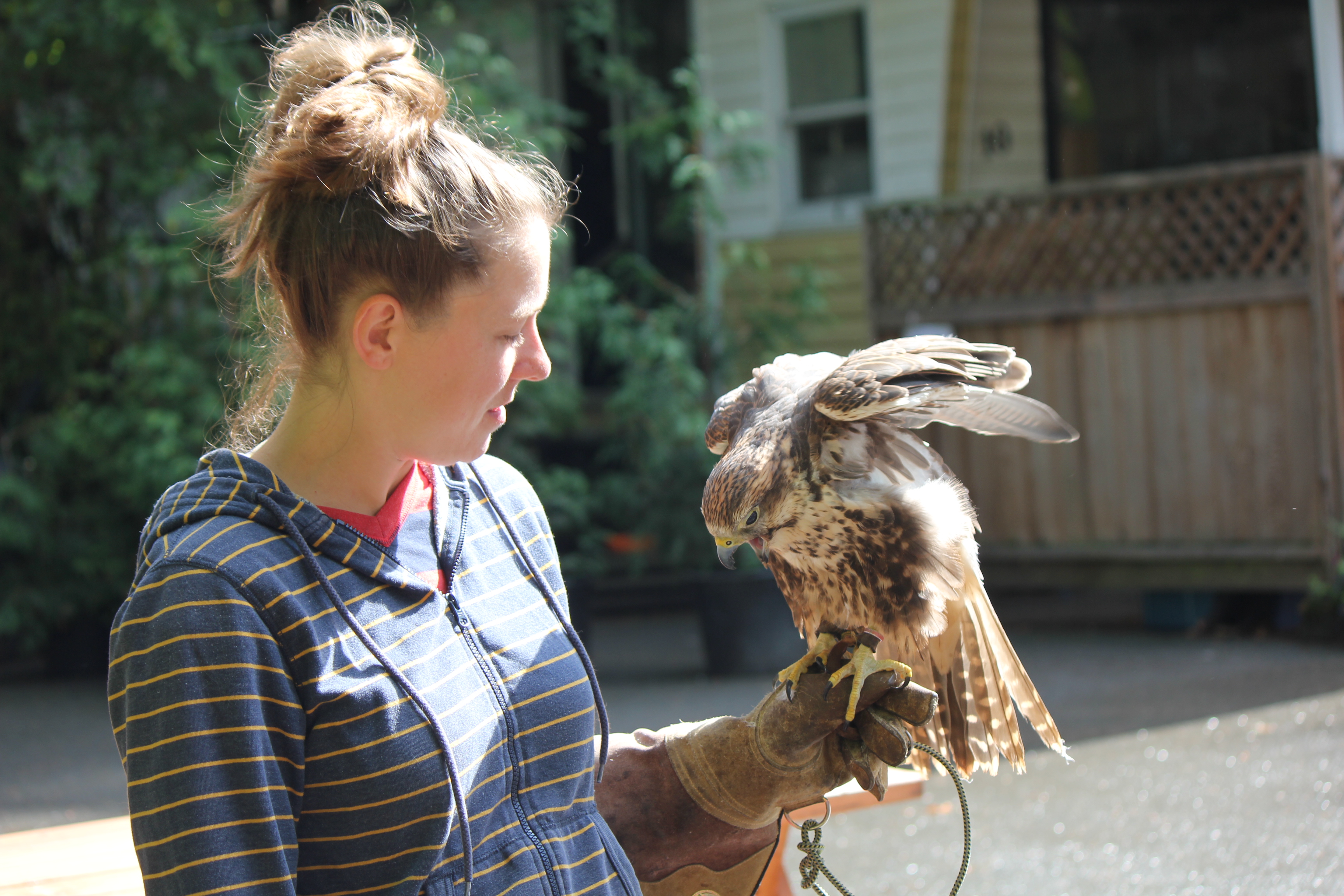
Lovely Bell enjoying some sunshine on her back

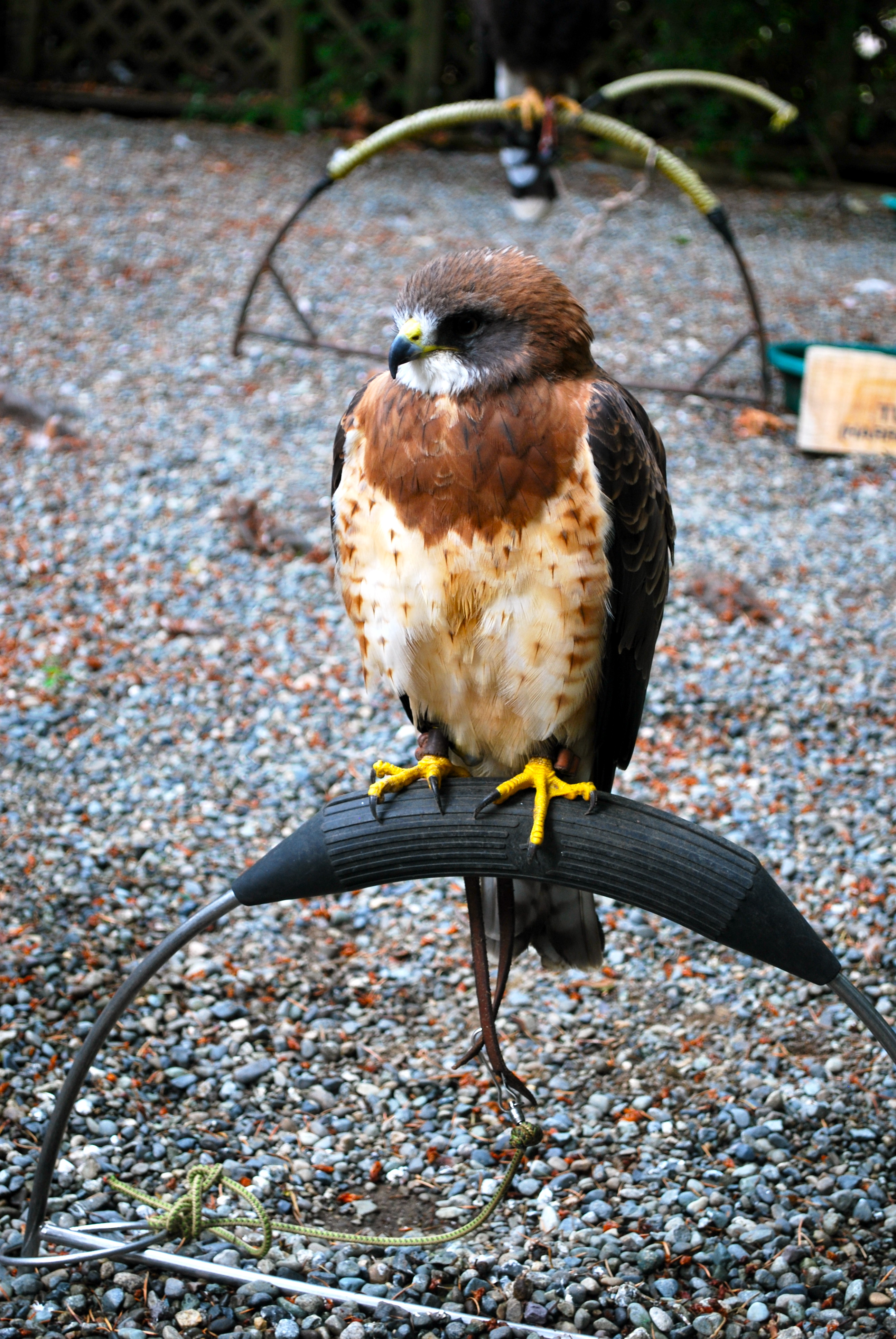
Some of the training we do is simply manning birds, which means to carry them around on the glove. This is just good practice for the birds as they get to observe their surroundings and form positive experiences. Of course some of our birds are very well trained already like Bell the Saker Falcon (above photo) and Harry the Swainson’s Hawk (below photo).

IMG_9289

Getting Harry off his weathering station and onto the glove for a manning session

Next up is feeding a Gyrfalcon/Saker hybrid on the glove. This little beauty tore through her portion of pigeon in no time. You can tell she’s young because of the bluish tinge to her cere (nostril area) and feet. These will mature to a bright yellow color.
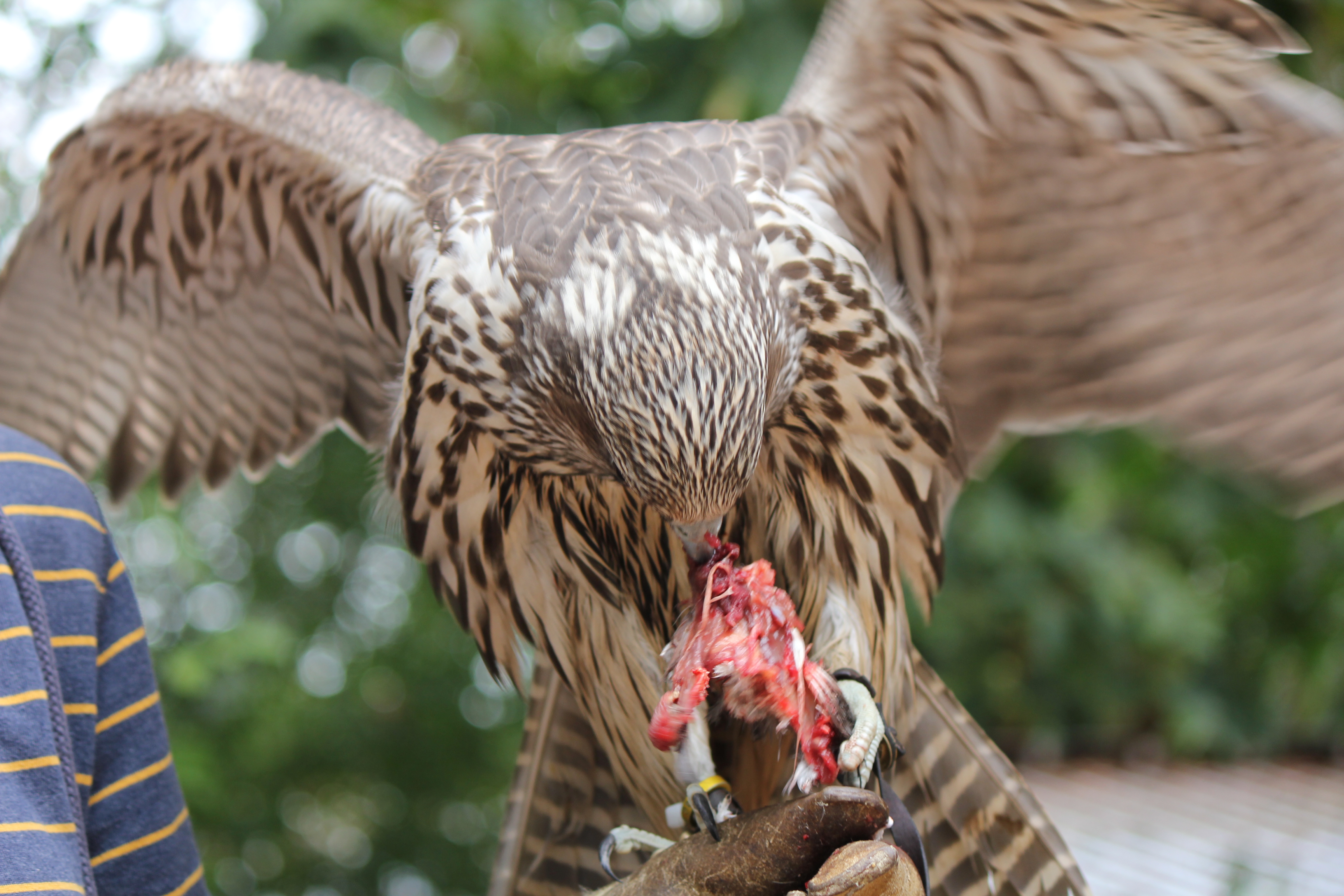
IMG_9402IMG_9398IMG_9383Finally, feeding a pure white Gyrfalcon on the glove. Gyrs are magnificent birds that used to be reserved for kings and nobles in European falconry. They are very impressive, especially when tearing apart their prey. Thanks for reading!
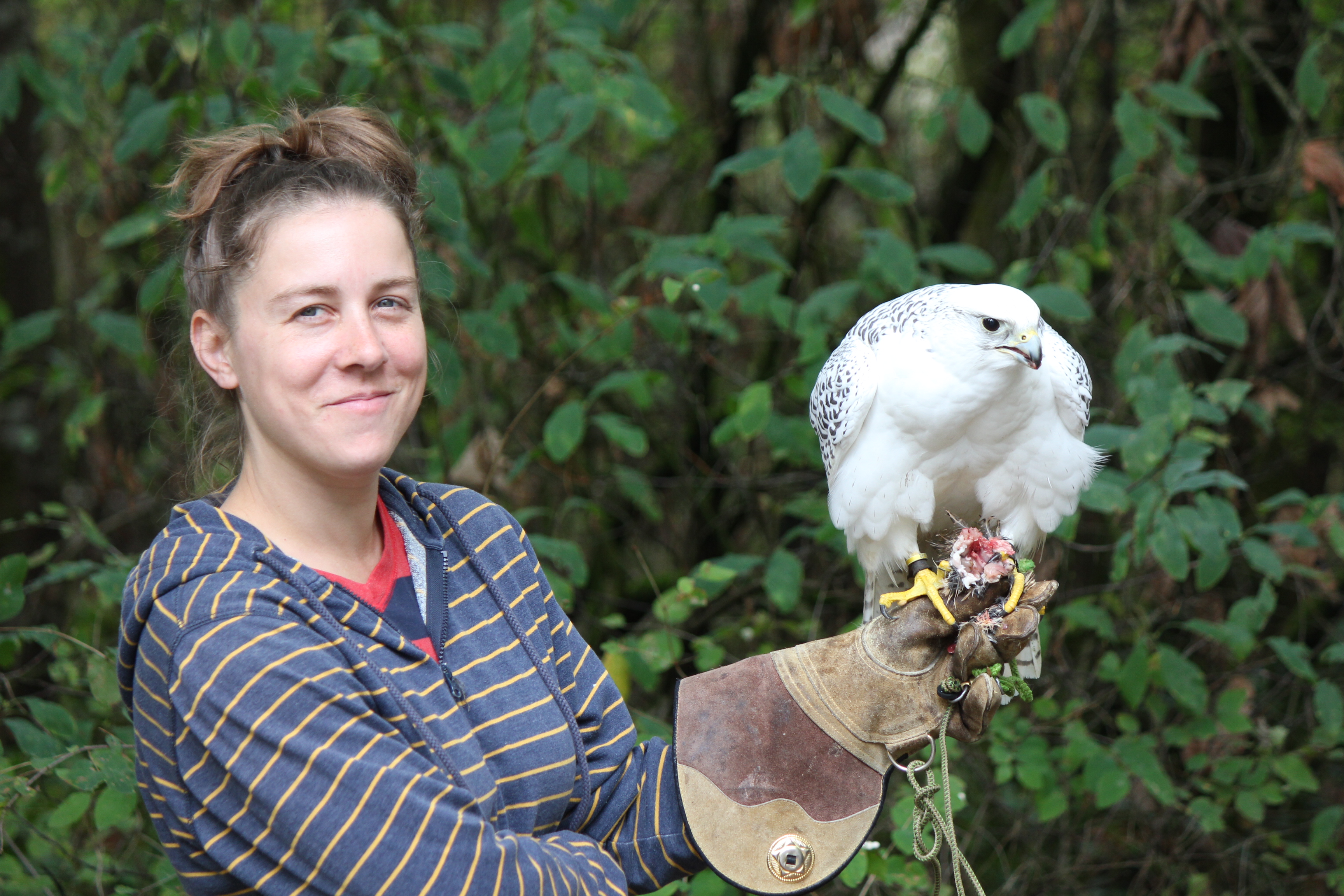
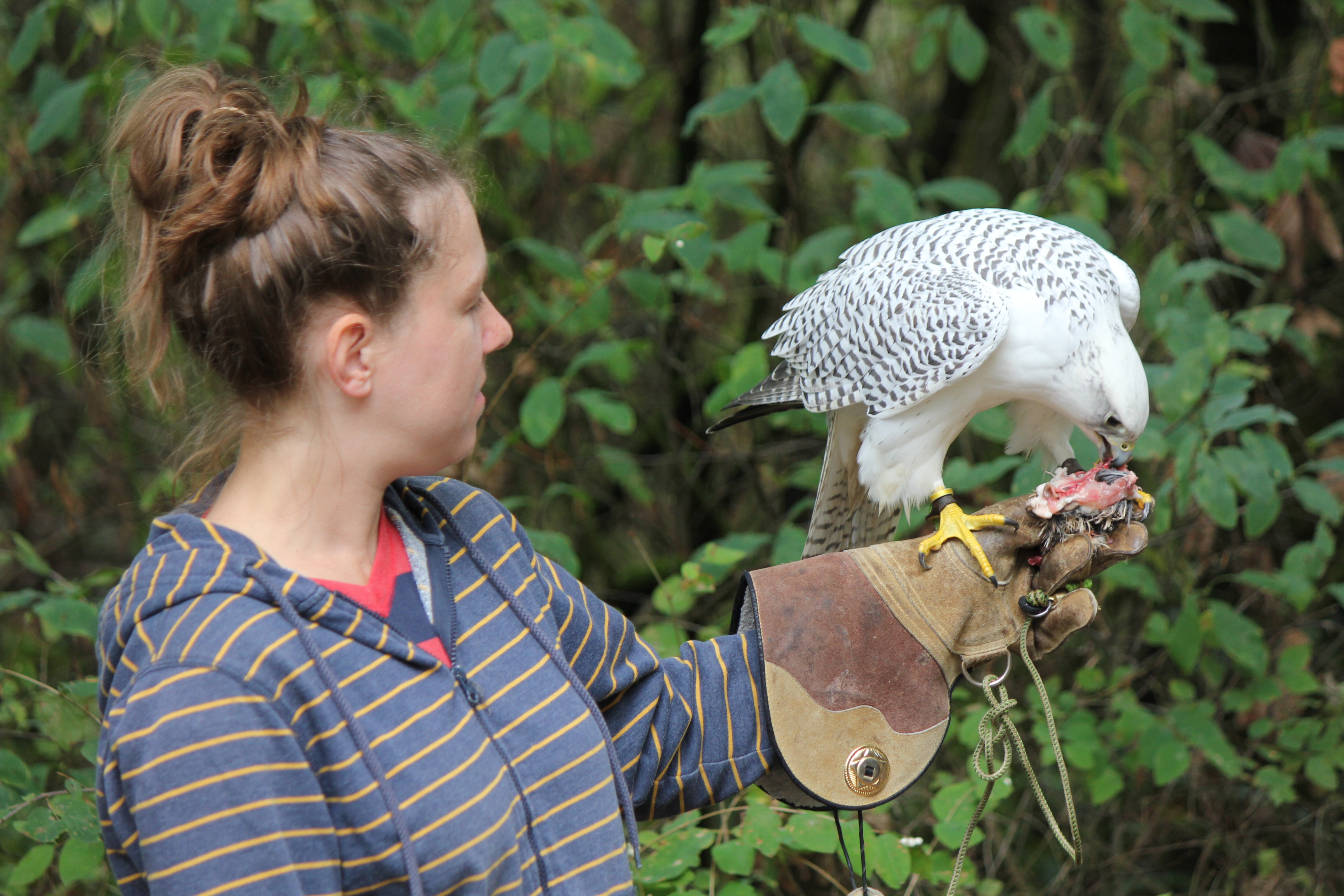
IMG_9316IMG_9304All photos by the Stuttering Journalist.

Trying Seal Meat

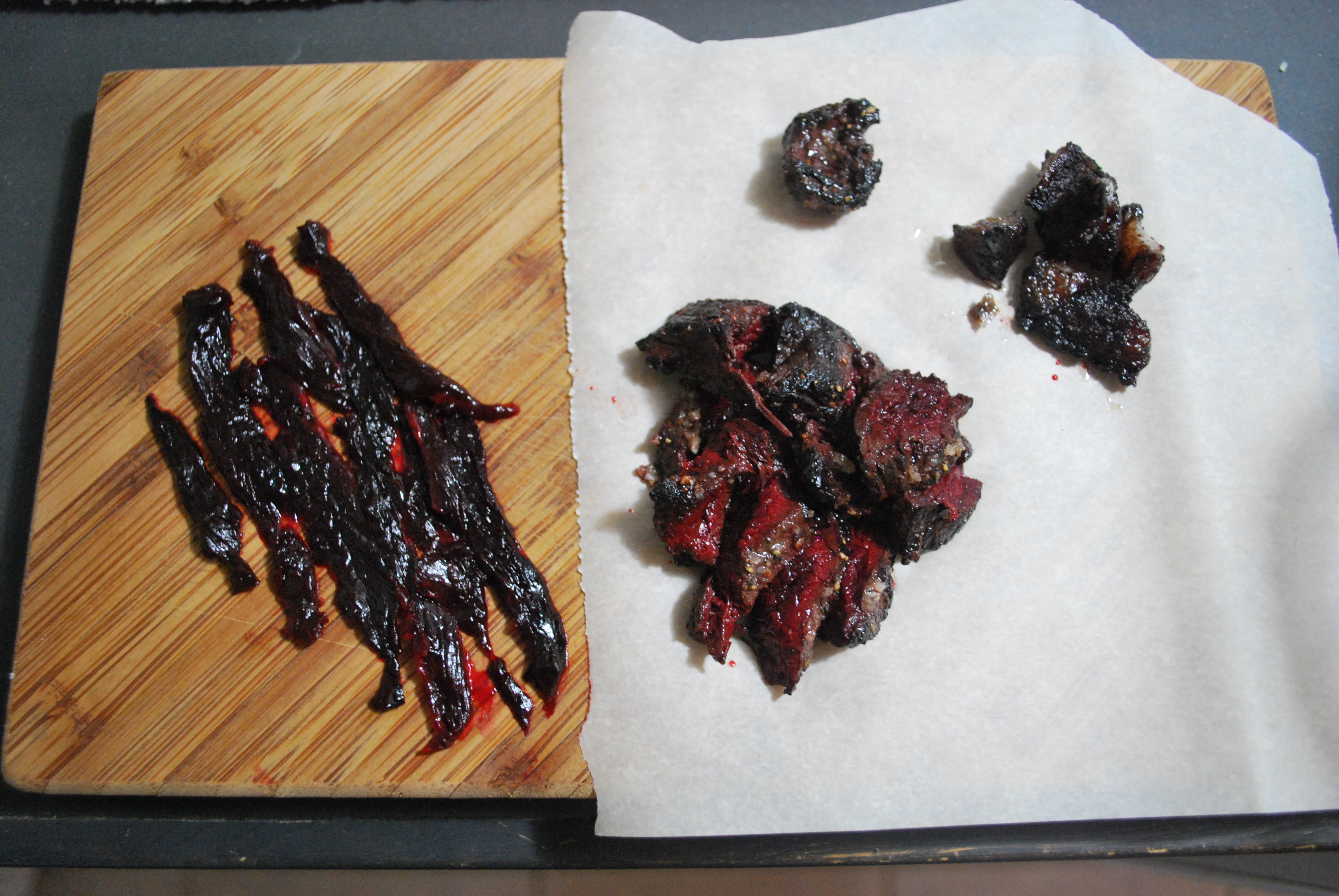
DSC_0014My lovely boyfriend who has been working in Nunavut for the past four months recently came home for a much needed visit. It was a great opportunity to try the seal meat that he sent me that has been patiently waiting in my freezer… Although seal meat never quite freezes solid as it is permeated with a thin oil throughout.

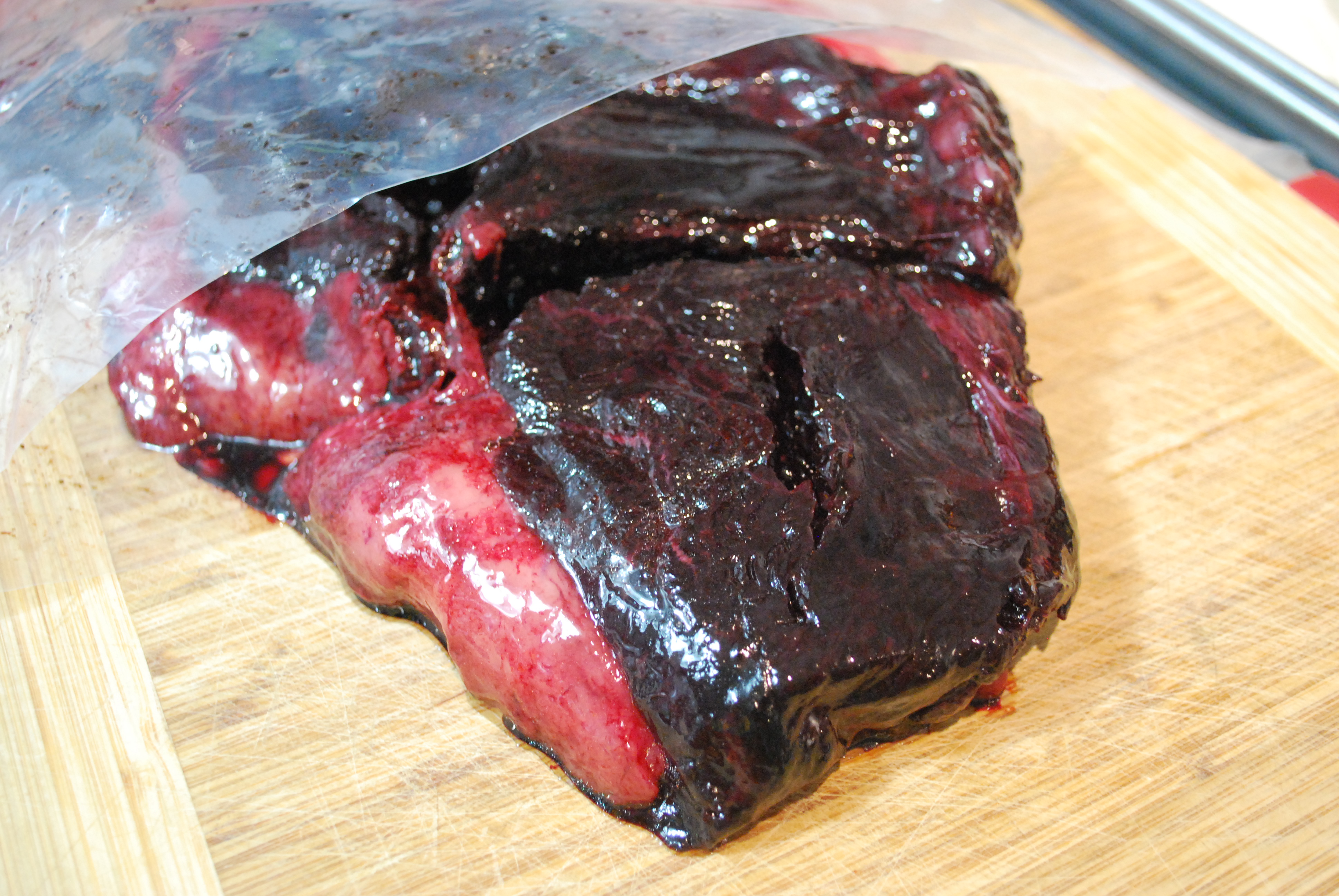
DSC_0015DSC_0019We decided we wanted to try it raw first for a comprehensive experience. It was a rather large vacuum-sealed slab weighing around 3 lbs that had set him back $26 at a country food shop in Iqaluit. We think the species might be ringed seal.

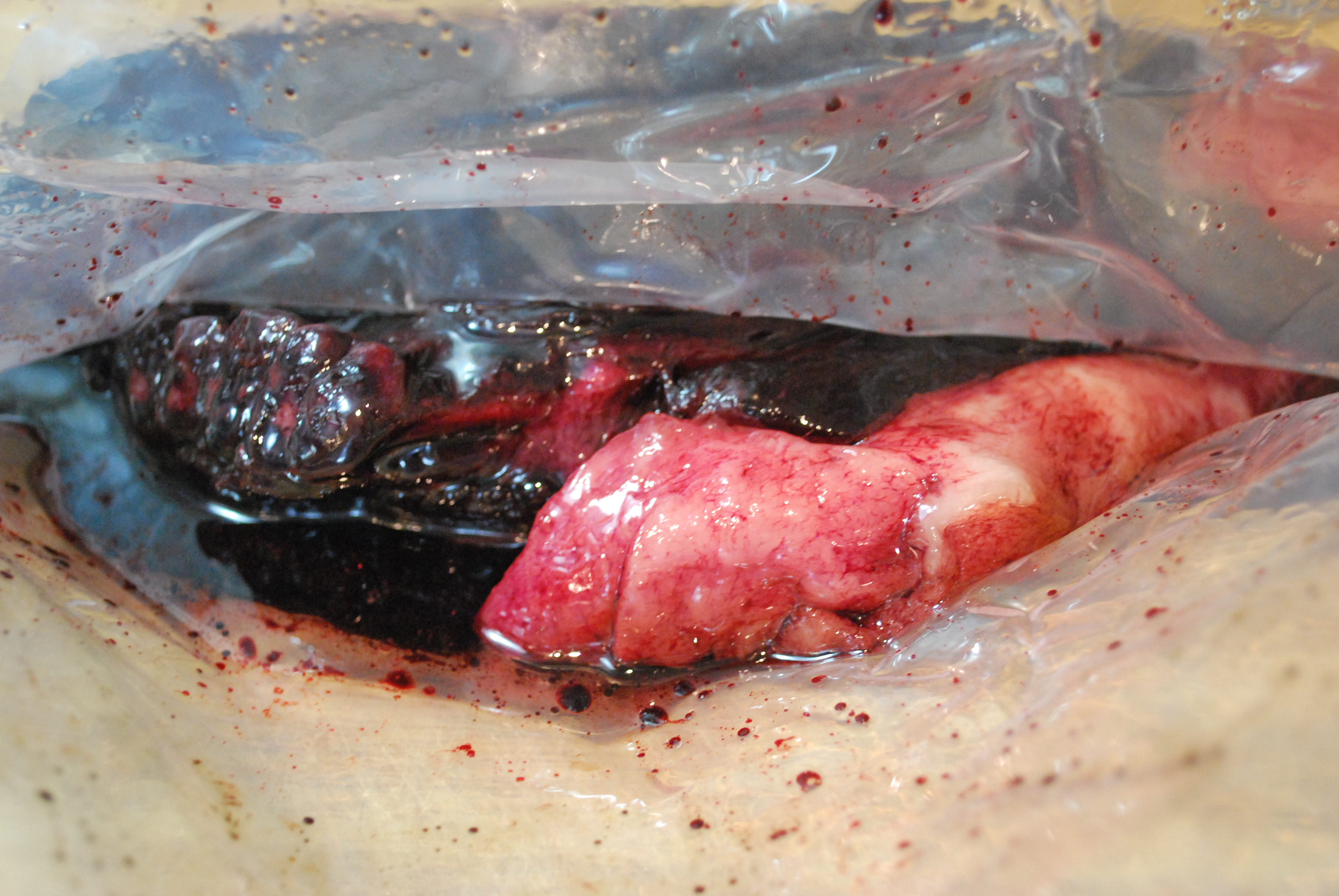
Looking at the frozen slab, I could see light areas as well as very dark, almost black sections. Upon defrosting, I could see that the light areas were a thick layer of fat covering one side, while the dark areas were the meat itself. I also noticed that there was a section of ribs included, a lot of blood and a watery-thin oil slick sitting on top of everything.

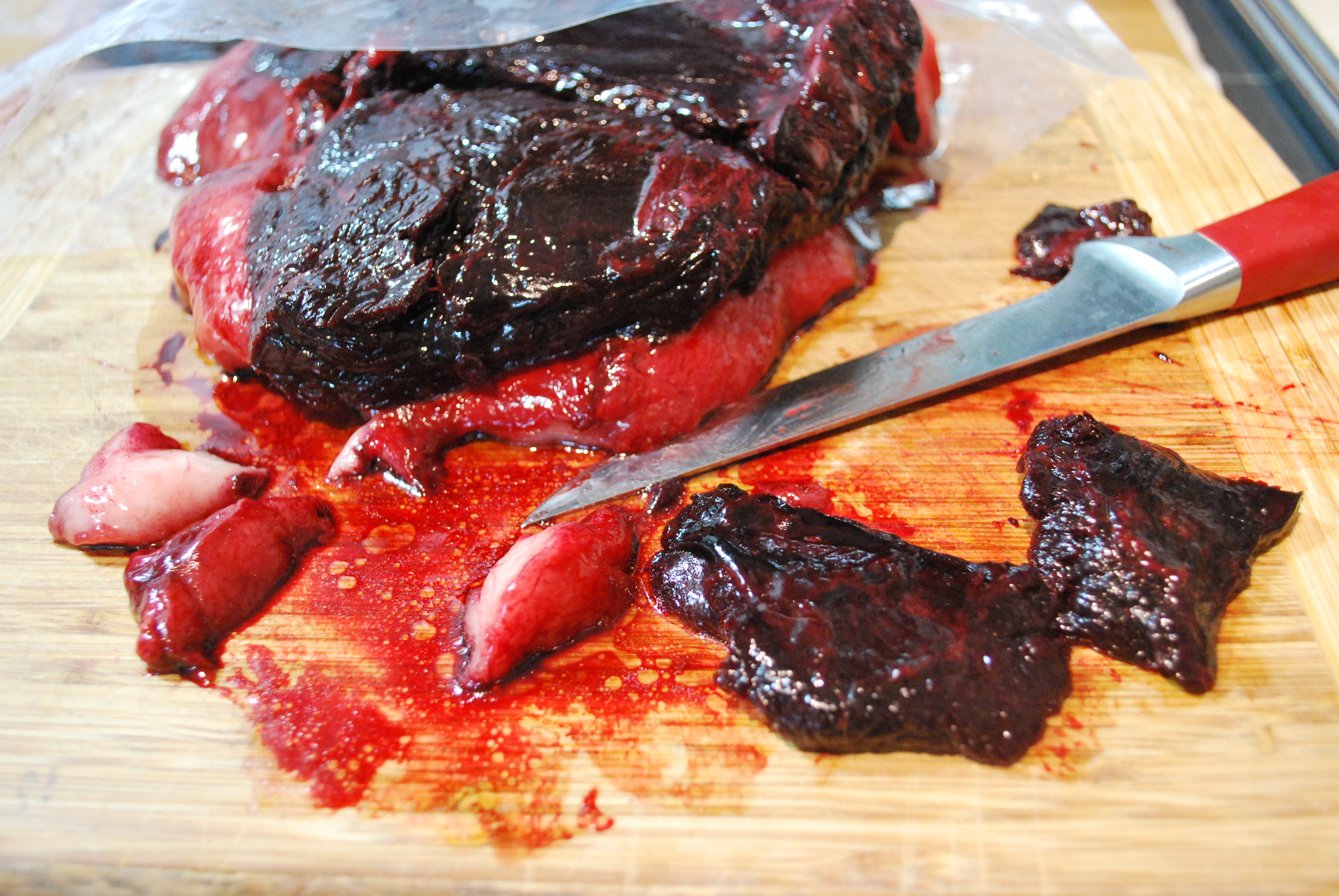
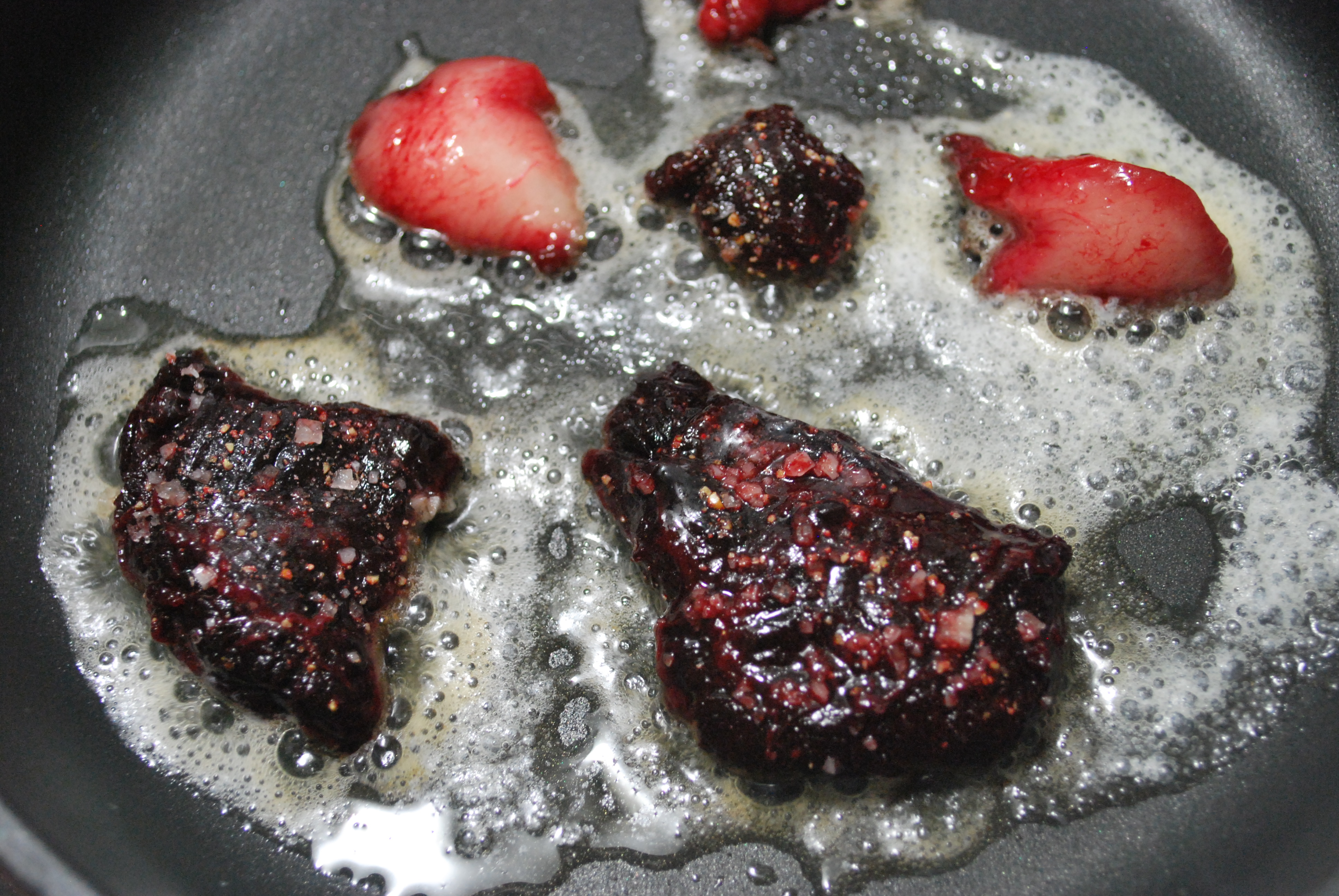
DSC_0021When the package was opened, there was a faint fishy/ocean smell. I sliced some very thin pieces of meat for trying raw, then briefly sauteed some small steaks in butter with grey salt and pepper. I also prepared some small chunks of the fat and browned them on all sides. Looking back, I don’t think the butter was necessary as the fat and oil should have done the job nicely.

DSC_0022The raw meat had a very rich, gamey flavor, reminiscent of quail. There is also somewhat of a metallic hint that you might compare to liver or filet mignon. I think this is due to the high iron content. It has a slight fishiness and would not be out of place on a sushi platter. Blindfolded, I’d compare it to a nice piece of tuna with a more slippery and firm texture. It should also be noted that the thin oil coats your hands when prepping seal and makes them feel very soft and smooth.

DSC_0026Once the meat has been seared, the fishy flavor seems to disappear entirely. What you’re left with is a very tender, juicy and delicious rich steak flavor. It basically tastes like the finest aged beef tenderloin. The chunks of fat brown very quickly but stay white and soft on the inside. They disintegrate in the mouth with a floral creaminess and a slight fishy aftertaste.

My conclusion is that seal is super delicious and probably some of the best meat I’ve ever tried. The “fishy” flavor I keep describing is really more of an “ocean” flavor, which is very hard to describe. It fills your nose in a different way than actual fish. It reminds me of being on a tiny boat in a storm fishing for salmon.

I’ll probably use the rib section for a pie or a stew, and I will likely eat the rest simply seared like a steak. There is a substantial fat layer covering one side that I’m not entirely sure what to do with, but I would like to attempt turning it into fermented seal oil, which is a common seasoning in Inuit culture.

DSC_0029If you ever get the chance to try seal meat, don’t pass up this unusual vittle. You’ll be glad you didn’t!

Bantam Turkey Vulture

DSC_0006In honor of the Vulture Awareness Day Celebration that will be occurring next weekend, September 5th and 6th at the Raptor Centre in Duncan, BC; I have procured a tiny but fierce bantam Turkey Vulture! No glove required.

Vultures are actually the most threatened bird group in the world right now, despite once being considered one of the most abundant large birds of prey.

In southern Asia they are functionally extinct, as there are not enough members left to sustain the population. This is primarily due to the use of the cattle anti-inflammatory medication called diclofenac. Dead cattle with this product in their bodies are eaten by vultures who later experience kidney failure and death.

In Africa, population decline is due mostly to poisoning of nuisance animals such as jackals and wild dogs, which subsequently poisons the vultures who clean up their carcasses. Another reason for low populations is that many vultures take up to 5 years to reach breeding age and most will only lay one egg per year.

The Latin name for turkey vultures translates to Golden Purifier, as their super acidic stomach acids can destroy pathogens and parasites such as rabies, botulism and anthrax. This stops the life cycle of disease unlike with many other scavengers such as feral dogs who carry and spread them.

The Centre will be fundraising in order to support vulture research and conservation, so come one come all! You can get your picture taken with a vulture, have some tasty BBQ, and bid on a great selection of donated items in the silent auction. I’ll be there volunteering for both days.

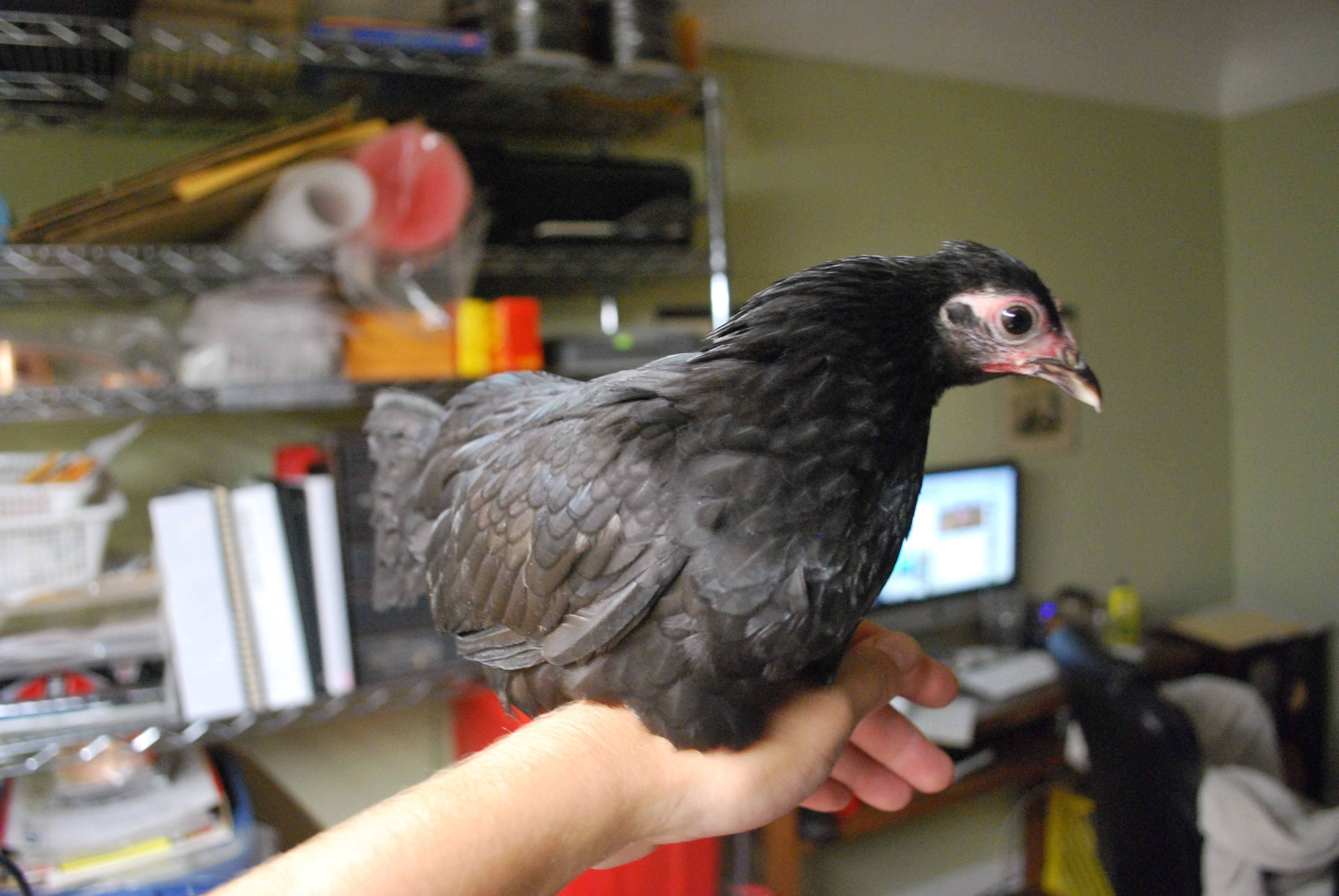
(Full disclosure: The bird above is not actually a bantam Turkey Vulture, although I think she looks like one. She’s a 4 month Old English Game Hen that I received a couple of weeks ago. My intentions were to use her to hatch out pheasant eggs for me when I finally have some. Plus she’s just the cutest little thing. Loves to chat and hang out with me and instantly the queen of the coop. Nobody messes with her. For such a tiny chicken, she has a very big attitude!)

DSC_0007

Hanging out in the kitchen

In case you’re curious, here’s what a black OEG roo looks like, although he’s supposed to be all black without the red hackles. If you want a pet chicken, these guys are the best.

DSC_0002DSC_0001

New Hen Intake Procedure

DSC_0021A friend of mine who is moving had a few hens that he needed to relocate. He was honest with me and said that a few of them seemed to have scaly leg mites, and they could probably all use a good dusting for other parasites. I told him I’d take a look at them and worse case scenario I would send them to freezer camp.

I used to accept a lot more unwanted birds which I converted into food, but I began to see some very heavy parasite infestations and maintaining the health of my own flock was more important. It was also pretty horrifying to have hundreds of chicken lice crawling up your arms just from handling one bird. Not worth it.

DSC_0024

The older girls

When these girls arrived, they were in much better shape than I was expecting. Three of the girls were old and laying soft eggs or none at all, so they were destined for the soup pot. Five of the remaining girls were still laying, according to him, and were in pretty decent shape. There were two ISA Browns, one Buff Orpington, an Australorp and a Welsummer/Ameraucana mix. Supposedly the mix hen wasn’t laying super well but was a good broody mom. She was also very pretty and quite small so I decided to give her a chance.

Of course, I couldn’t just add these chickens right to my own flock. Some of them had visible mite damage to their legs and the Buff at least did seem to have some small yellow parasites despite her overall decent condition. So I got out my new hen procedure kit. A container of diatomaceous earth and a jar of olive oil and turmeric.

DSC_0022

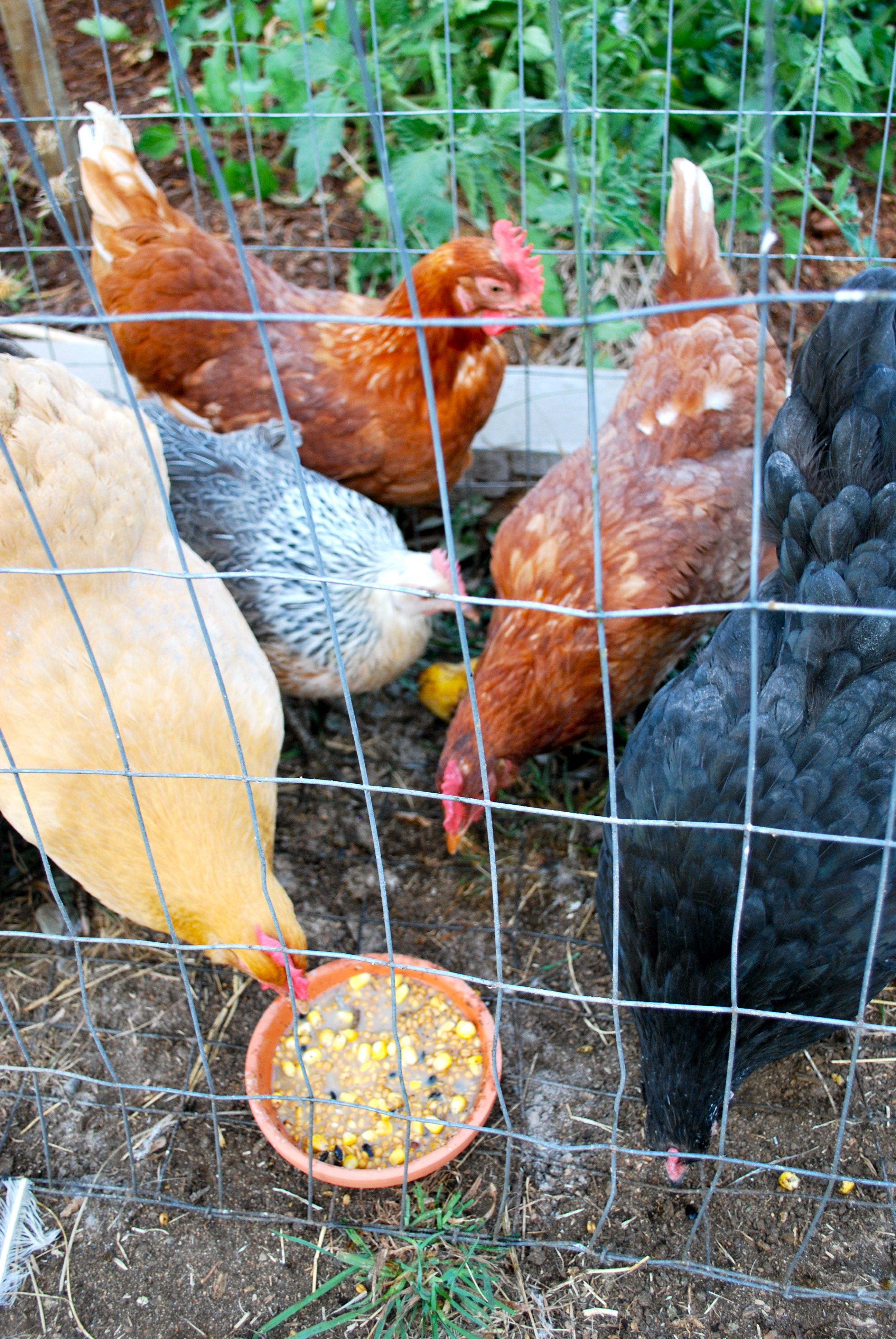
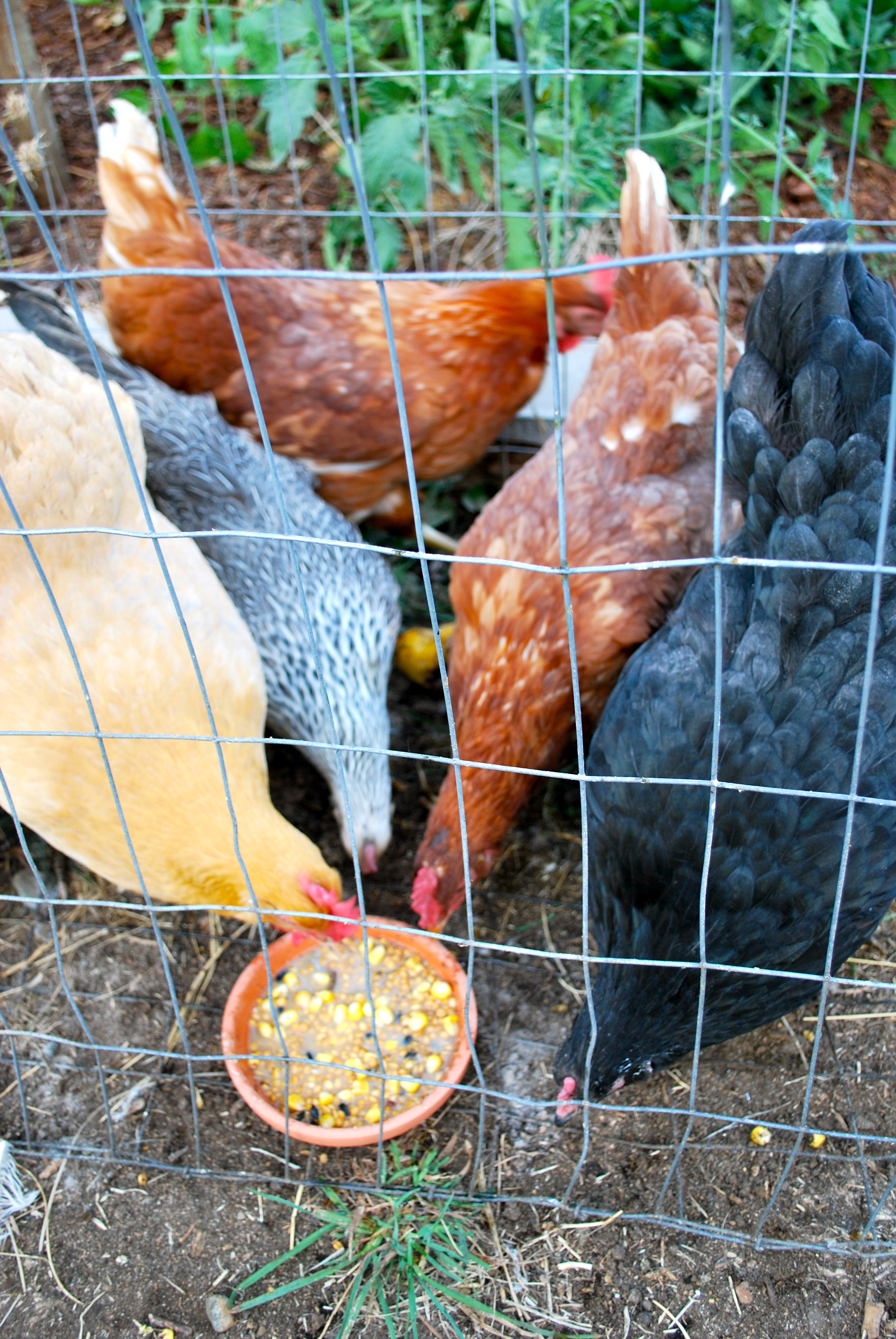
The keepers enjoying some fermented grains, awaiting their treatments

First I turned each hen on her back until she relaxed and gave her a good dusting with the earth, making sure it penetrated deep down into the underwing and vent areas. If your chicken has a bad infestation, the vent area is where it will usually be most obvious.

Then I flipped each girl over and dipped her one leg at a time into the oil jar, leaving each foot in for a few seconds. The oil sticks nicely to the legs and suffocates the mites. I’ll repeat this procedure every week until the damaged scales slough off and their legs look clean and smooth again. I also coated the pen floor with more diatomaceous earth and let the girls go to work dusting themselves.

DSC_0026

Chicken leg dip

I’ll keep a close eye on my own healthy birds to see if they develop any issues, if so they will get an oil dip as well. If you can catch scaly leg mites before they get too serious this is a very easy and effective way to eliminate them.

Raptor Centre Volunteering

Today was my first day volunteering at the Raptor Centre. I scrubbed out quite a few aviaries, helped in the flying demos a little bit and assisted in flight training some young Red Tails and Harris Hawks.

One young Harris Hawk decided to land on my shoulder twice instead of my glove. Lucky for me he didn’t bear down with his talons and was easily tempted back to the glove for his piece of meat. A little scary, but I’ve been torn up so badly by rabbits at this point that the raptors don’t worry me. They don’t want to hurt me, they just want their tidbit. Rabbits are the ones with the real killer instinct!

DSC_0026

I’m glad Gaston vacated this pen before I was sent in to clean!

During our last demo of the day, I was asked to clean out the Marabou Stork enclosure while he was performing for the demonstration. He had shed some massive flight feathers (he has a ten foot wingspan), which I was very impressed with. Cleaning aviaries may not be the most fun thing in the world, but it’s a great way to get an up close look at a lot of very cool feathers as well as get to know the personalities of some of the birds. It’s also a great feeling knowing you’re helping to make the birds more comfortable.

I also had an exercise in taking a flying lure away from a Saker Falcon that had just finished catching it for the demo. I had to wait a while for her to calm down and then distract her while I quickly hid it behind my back. I was able to do this when I popped her back on her weathering perch. Once birds of prey have something they think is food in their talons, it’s an interesting task to try to get them to give it back to you!

The Fair

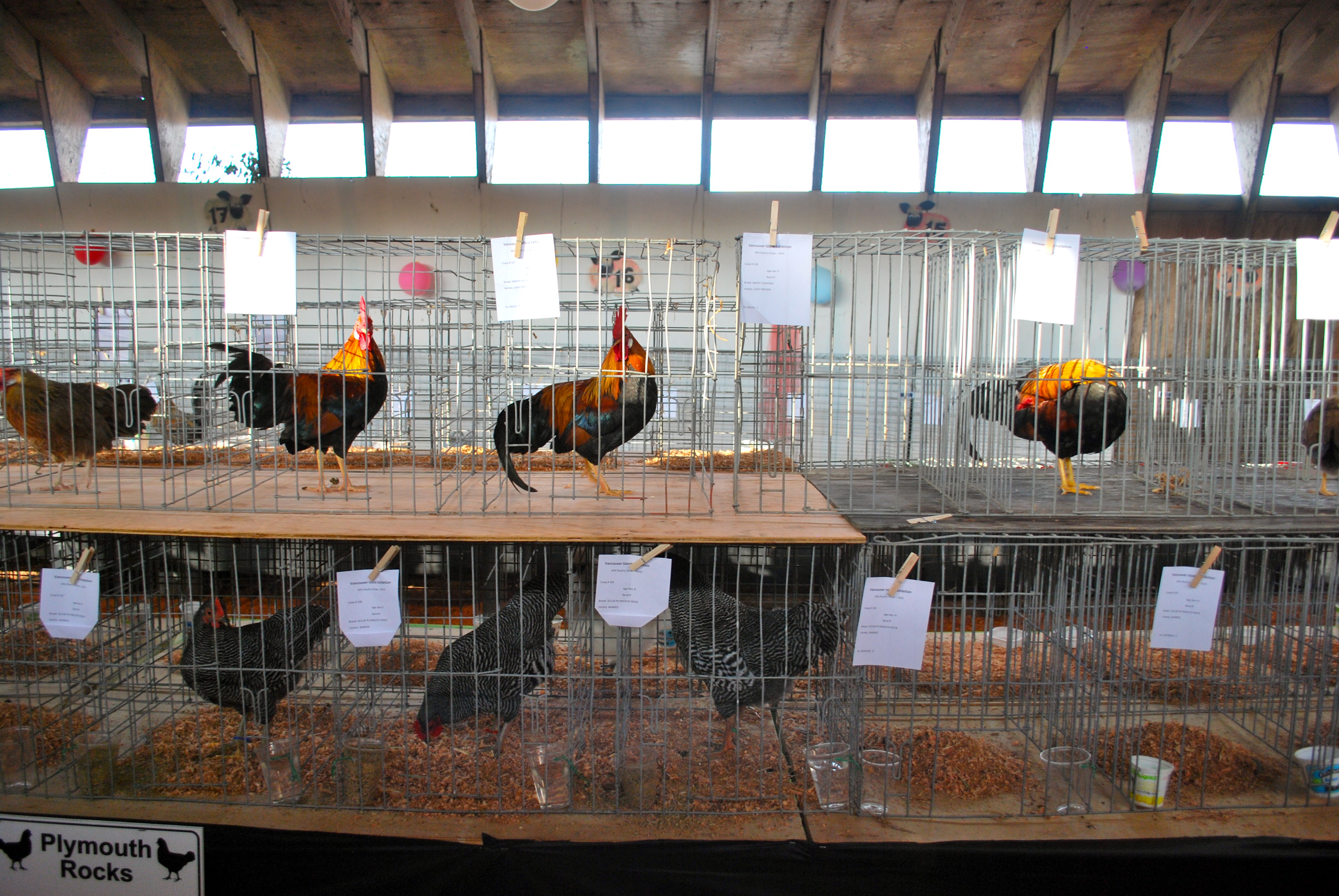
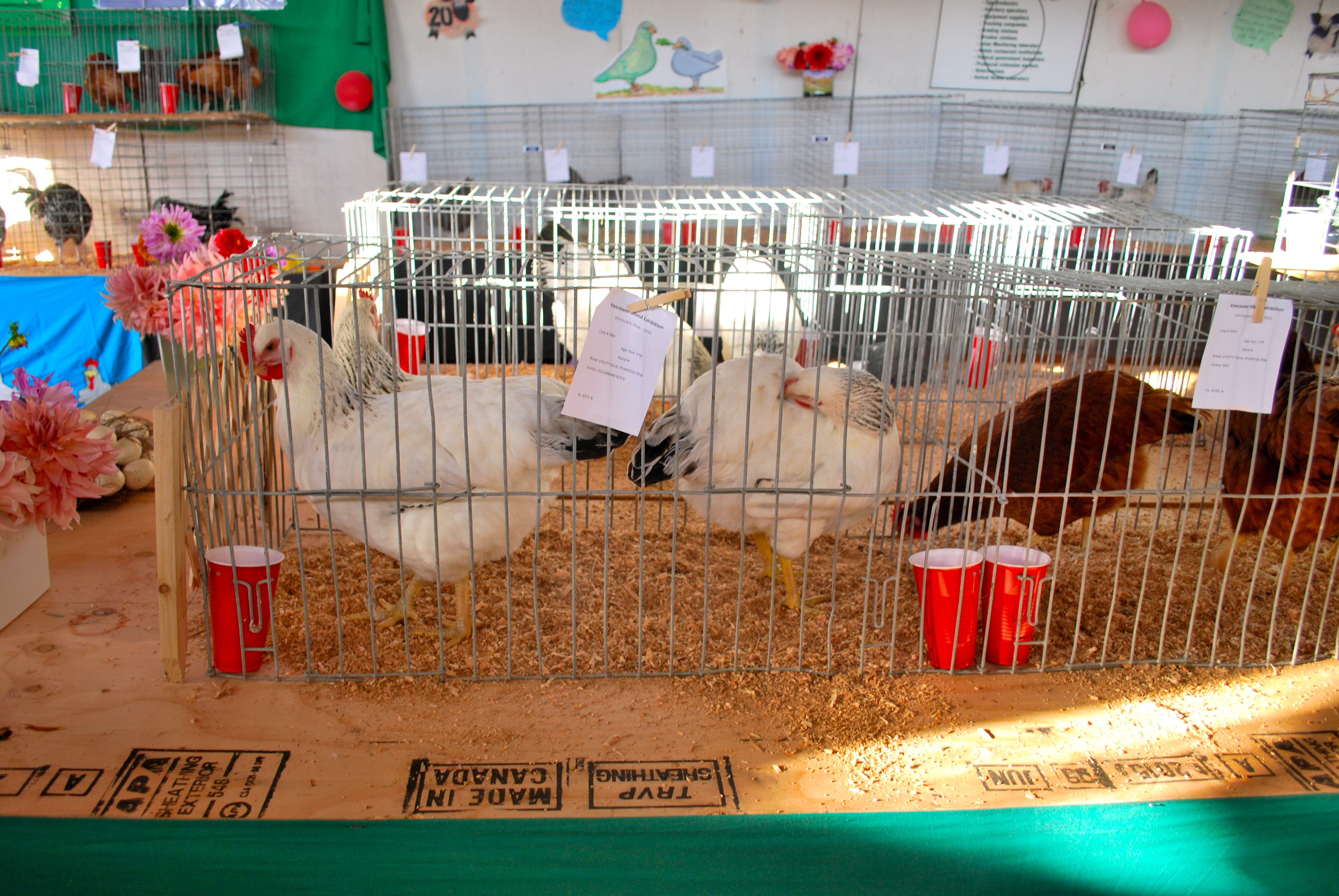
DSC_0010I spent last weekend at VIEX, our local fair. I had six young quail on display in the poultry barn and the rest of the time I was assisting with the raptor flying demonstrations.

I was primarily the sound tech, but was also lucky enough to be able to man some birds and talk about them with the public. We had a Swainson’s Hawk, a Harris Hawk, a Spectacled Owl, an American Kestrel and a Turkey Vulture. It was hot out and there were a few technical difficulties, but the birds all did a marvelous job as usual and I think everyone had a great time, I know I did.

DSC_0009

Harry, the Swainson’s Hawk, one of the birds who flew at VIEX

I really enjoyed dropping off my quail early and getting a chance to view all the animals while everything was still clean and quiet. Once the crowds arrive and everyone begins poking at and commenting on the livestock, the charm kind of wears off for me.

DSC_0005

My little quail display

DSC_0006

DSC_0020

DSC_0004

I really liked these Speckled Sussex hens. They won some very fancy ribbons

DSC_0002DSC_0015DSC_0019DSC_0014I got to talk to some knowledgeable rabbit and poultry breeders, and I may have a gorgeous Champagne d’Argent doe lined up in a few months from Victoria. I also got a great deal on a new two hole rabbit carrier and picked up two very nice handmade wrought iron hooks for $30 from the Blacksmith Association.

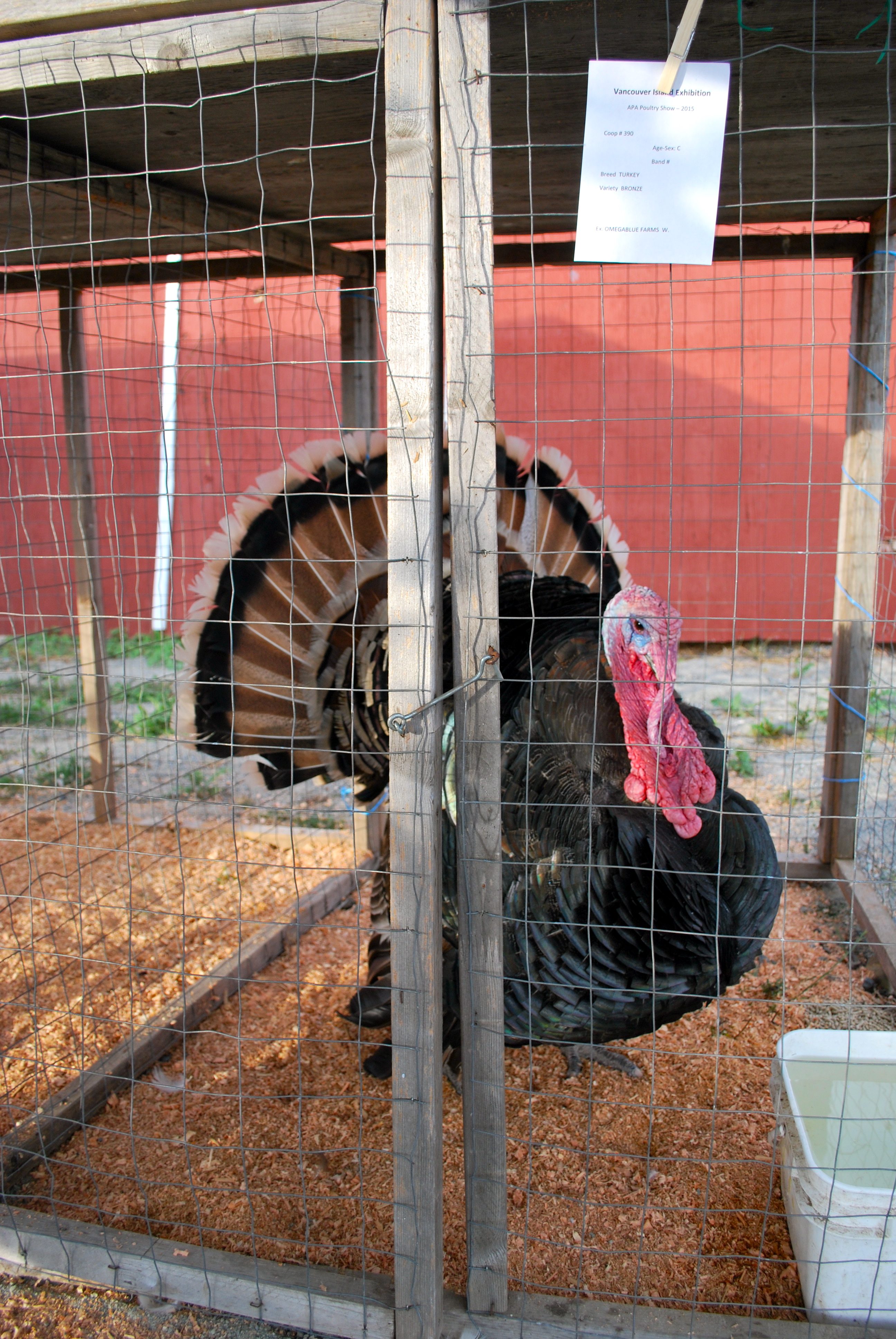
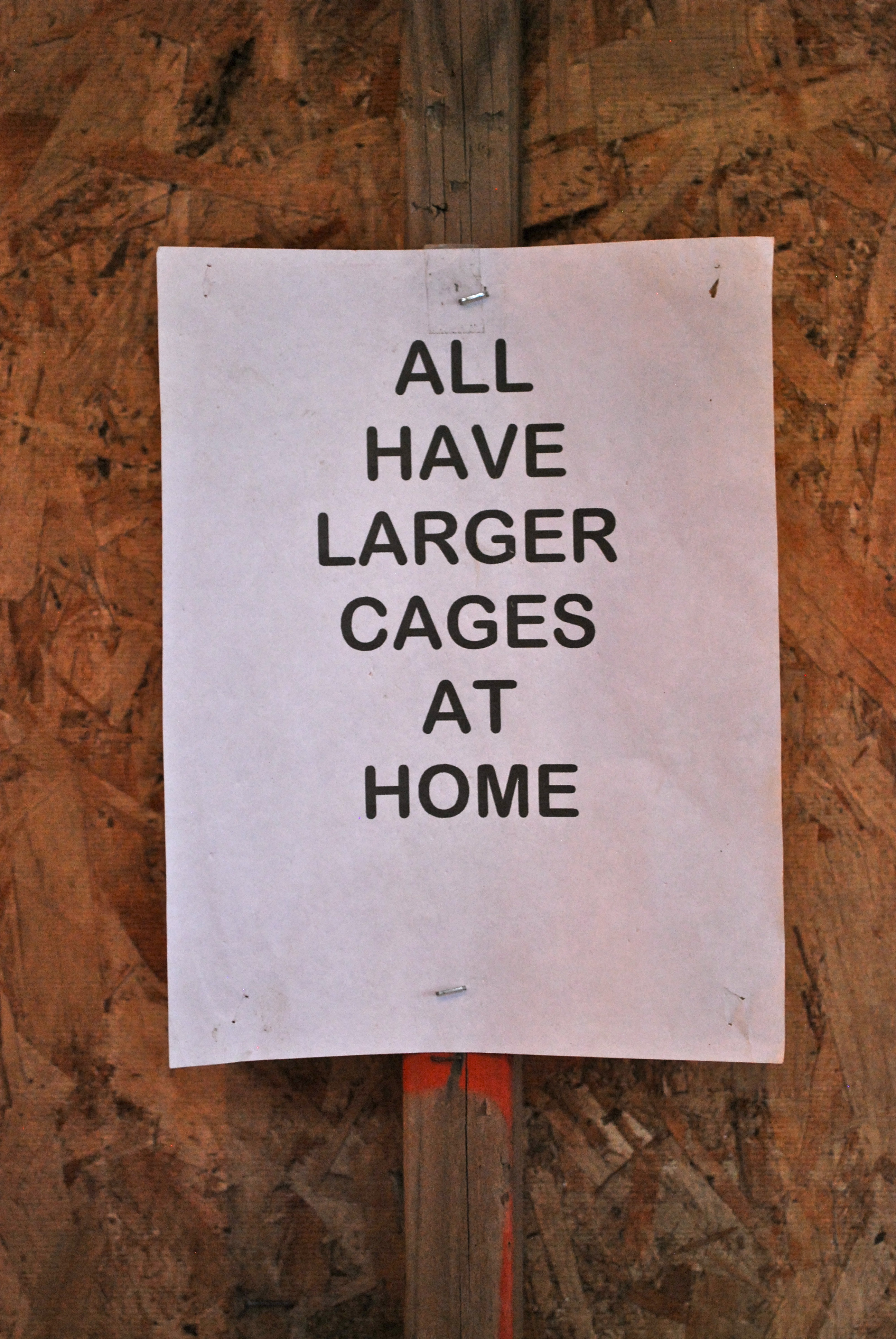
It was funny to see these signs posted all over the rabbit barn, I suppose some people think the rabbits live out their lives in the tiny carrier cages. A bit silly.

DSC_0035

Sad News – Fostering Orphaned Rabbit Kits

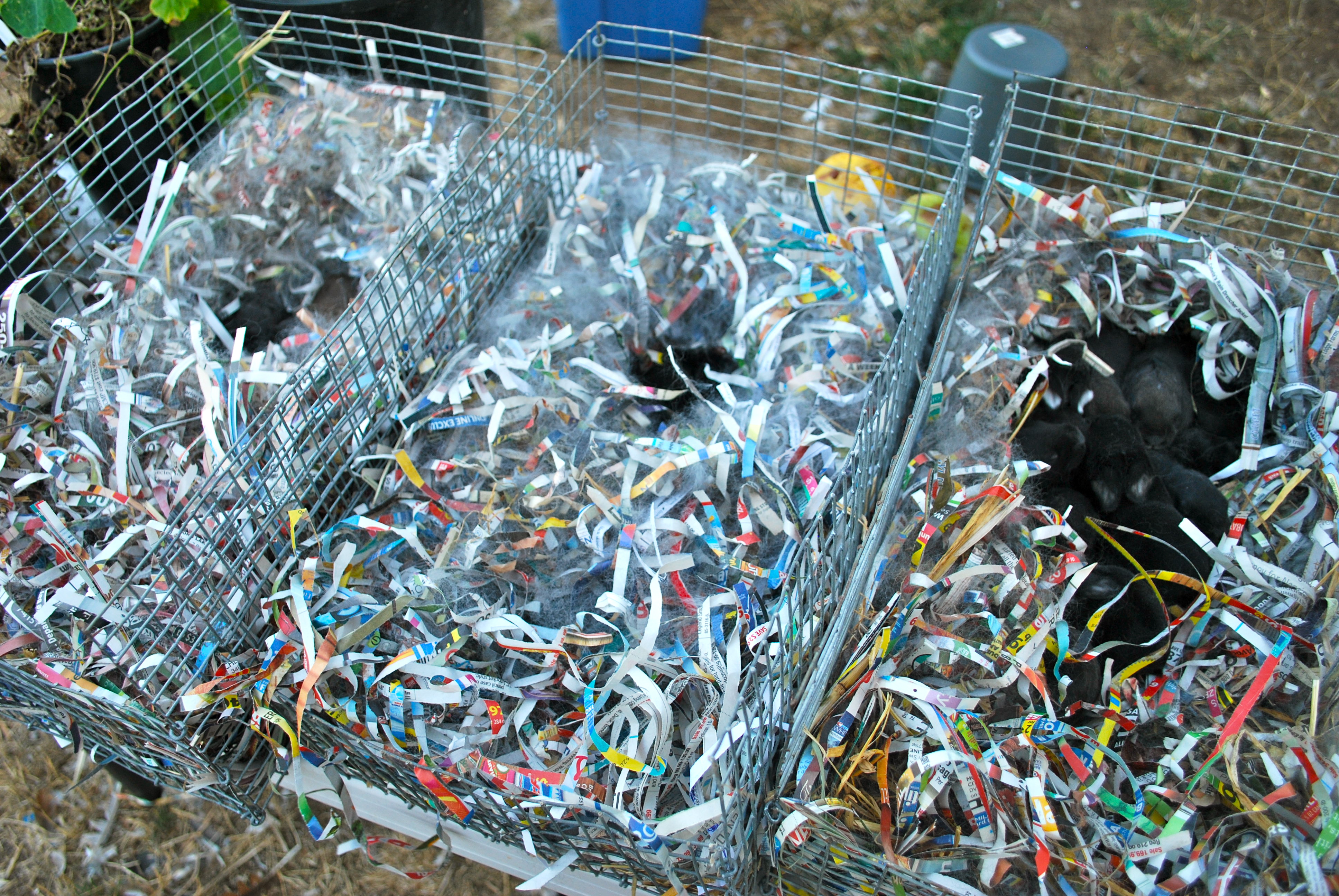
We have lost one of our bunnies. Last week Tuna stopped eating and drinking and had come down with what I suspect was GI stasis. She had been eating some of the shredded newspaper out of her nest, so I wonder if that had anything to do with it.

Anyway, as soon as I noticed her not eating I stuffed her cage with wild greens that I know she likes: dandelions, comfrey, blackberry leaves and grasses. She ate them, but not with the gusto she usually does. I made sure her cage also had plenty of hay and added a water crock for her to drink more easily which she appreciated. I also spent some time massaging her abdomen to try to get things going, but alas, after about three days she passed away.

DSC_0006

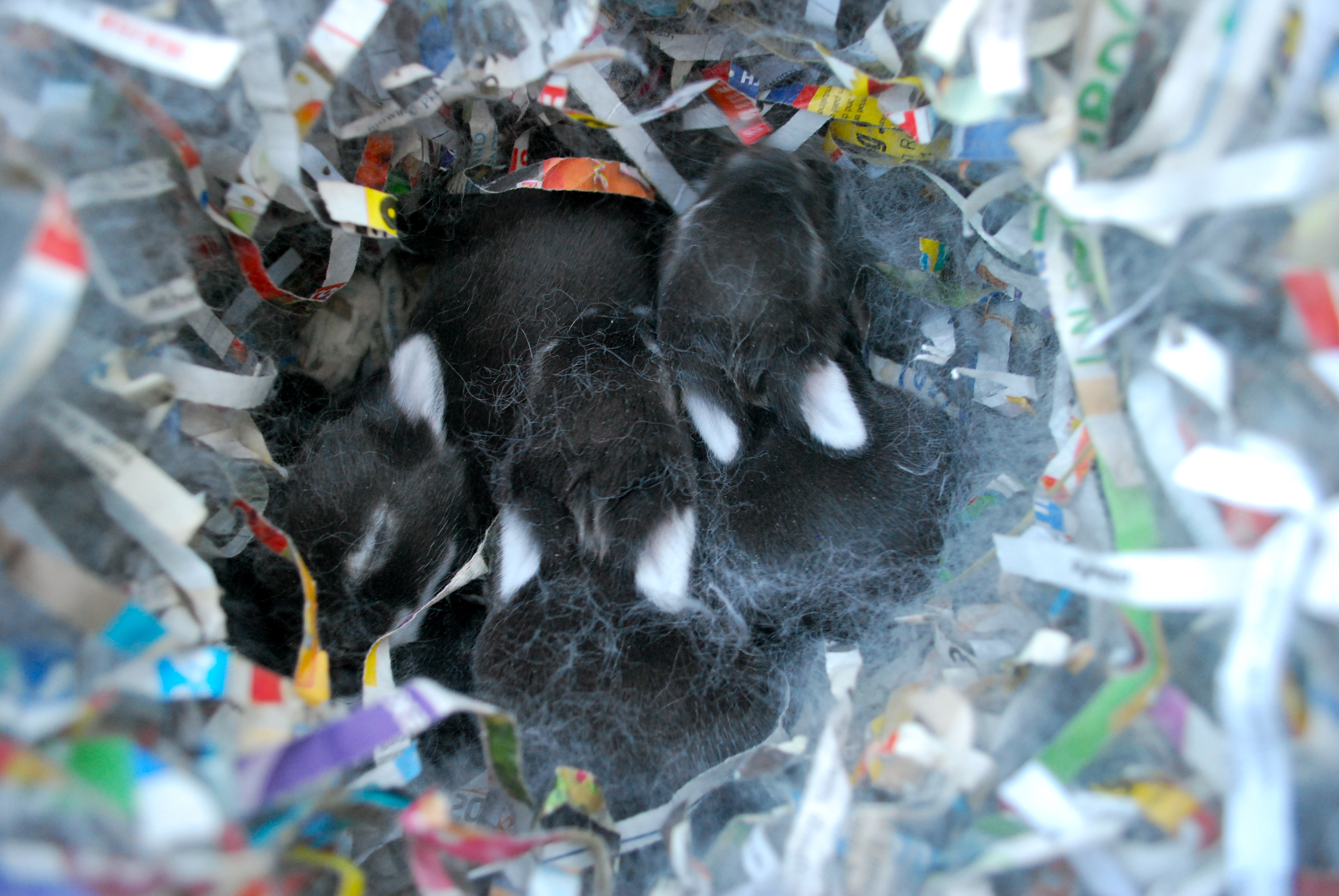
Three nests but only two moms

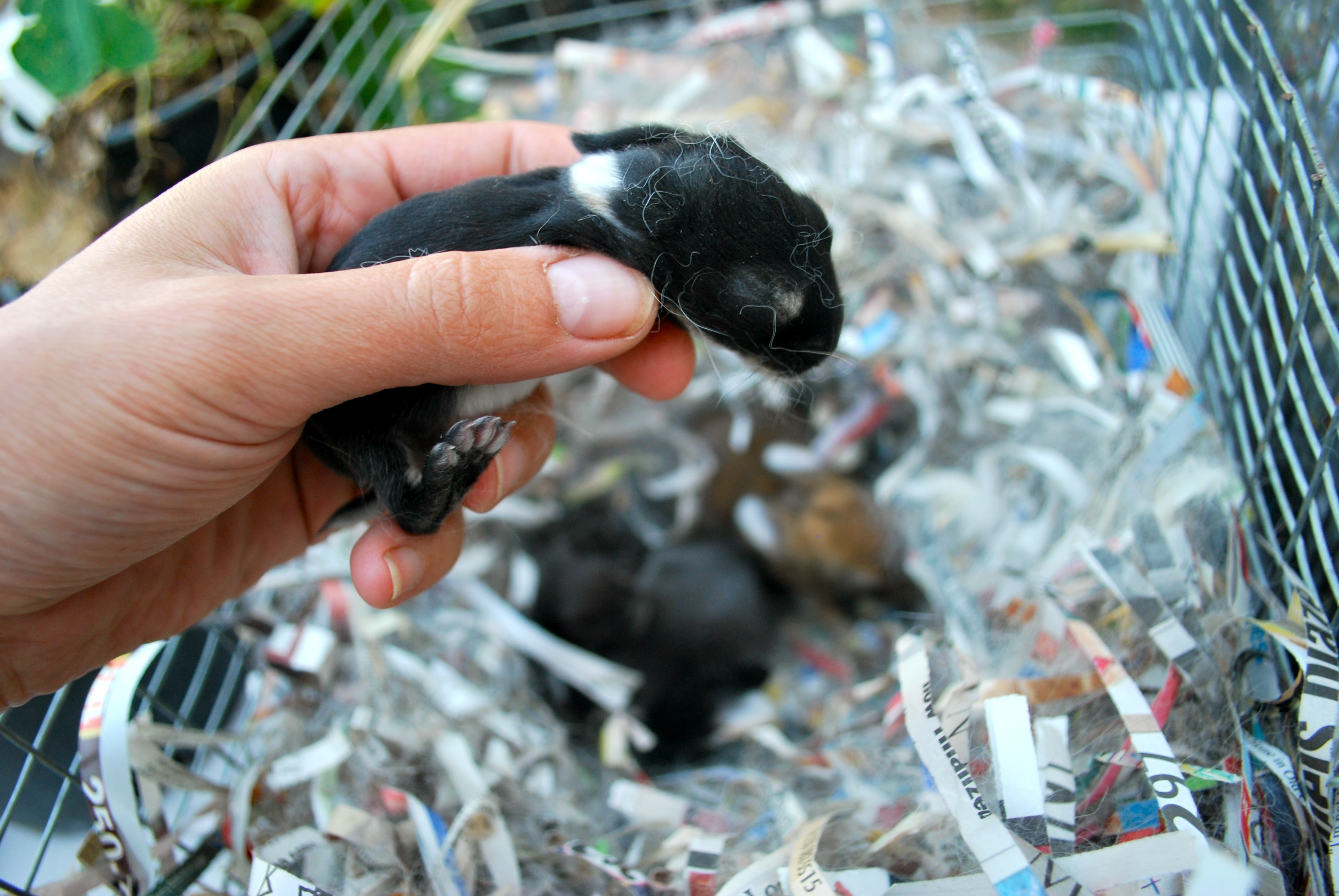
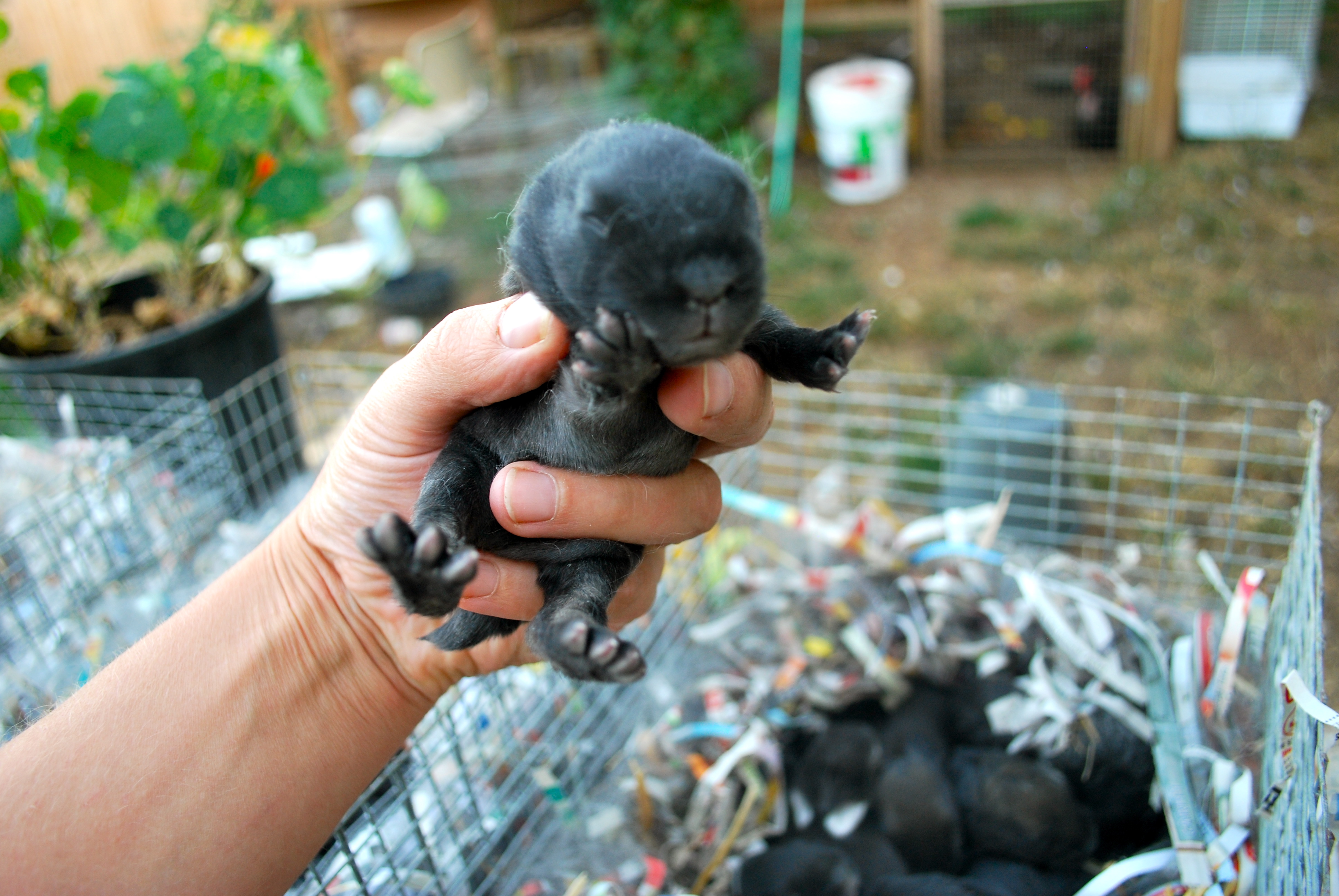
Unfortunately she left behind a litter of seven kits that were only about a week old. So now I have 22 kits from three moms, but only two moms to take care of them.

In order to save the smallest kits I had to do some nest box juggling. I removed all the largest kits from each litter and left only six of the smallest in each box. One kit was pretty skeletal already and wasn’t looking good. I took the large kits inside with me and kept them in a safe, warm place for 24 hours. After that I replaced them, splitting them up evenly between the two boxes.

DSC_0009

A very tiny, underweight kit

DSC_0012

A fat, happy kit

By this time, some of the underweight kits who looked like they would not make it had full bellies and were looking great. They really seem to have almost doubled in size while the fasted kits showed no ill effects.

I left everyone in their nests with mom for 48 hours and then took out all the largest kits again for another 24 hours. Tonight they’ll go back in.

With this technique, the largest kits miss about 2-3 feedings every 3 days. Initially I was worried they would start to get agitated, but they just sleep calmly all day. Just these few extra feedings without competition seem to be enough for the smallest kits to really catch up. Of course, now that everyone’s eyes are opening it might get harder. Lucky for me the does have been super tolerant and don’t care which kits I give them.

I may not save every single one, but at least the smallest now have a fighting chance. If I can get them to the point where they start eating on their own, then we’ll be home free.

DSC_0007

Previously underweight kits are happy after a couple of good feedings

Forest the Horse

DSC_0013I know I posted a few weeks ago about Kermodie, the white horse I was going to lease. Well, that fell through and instead I am leasing a different horse at a different stable. His name is Forest and he’s a ten year old Andalusian/Appaloosa cross gelding. That Spanish blood seems to equal a lot of personality!

DSC_0020He’s a very fun horse to ride, and we went on our first big three-hour group ride today. I almost got my eye poked out by a wayward branch, but luckily dodged it just in time and only have a bloody gouge underneath it now. I’ll have to be more careful next time, as I use my eyes a lot and would like to hold on to them.

Forest was trained in reining and has been very responsive with me so far. He has a few quirks, he likes to lick your hand like a dog and he likes to try to nip my arms. We’ll have to work on that!

DSC_0022

New Fantail Pigeons!

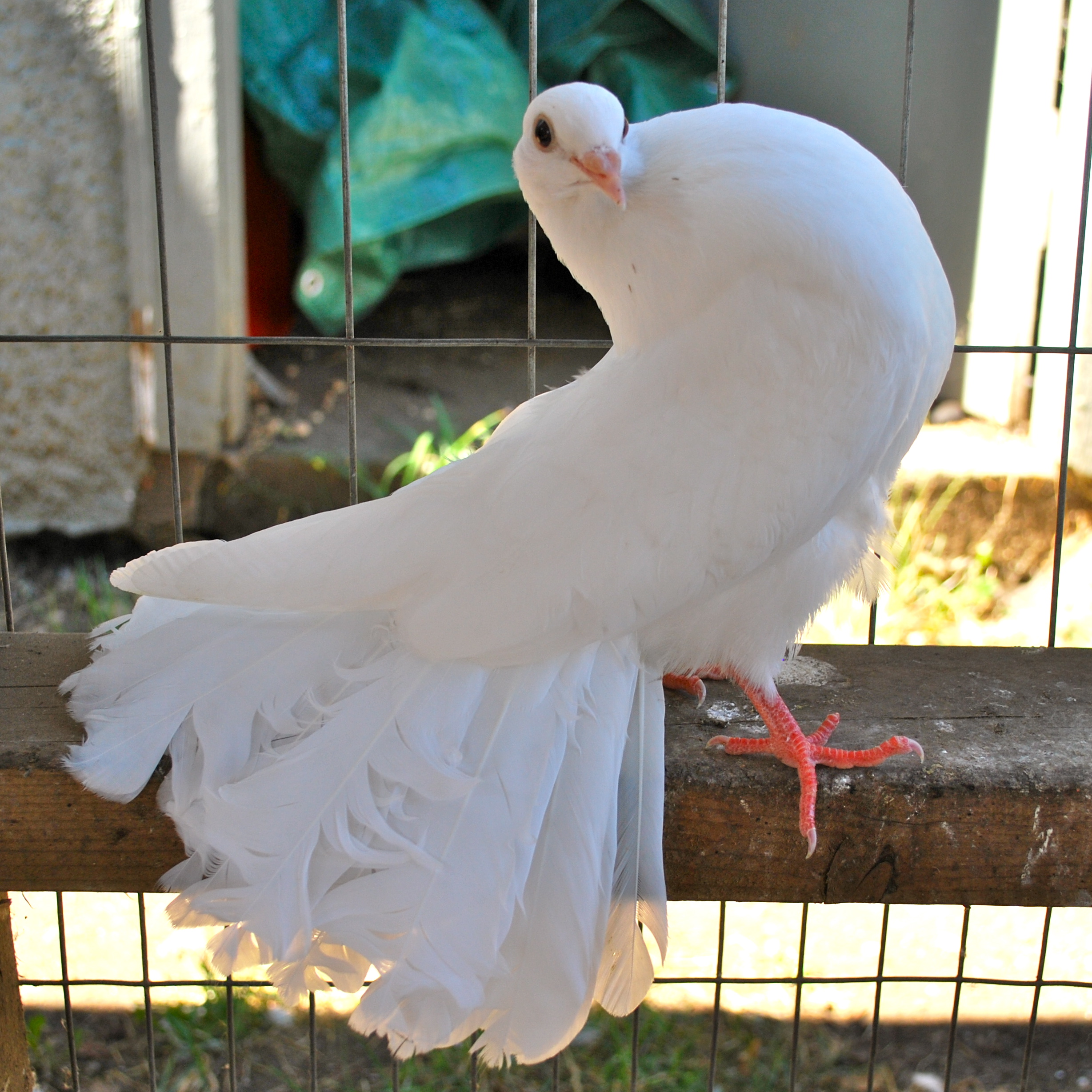
DSC_0003I’ve been looking for a few fantails basically since I moved here, but they are not offered up for sale very often. Last night I saw an ad for two pairs of these lovely birds for $40. They were a mix of black and white which I was especially interested in, as usually I only see whites for sale. Today they were dropped off and there were actually five birds, so I got an extra hen for free.

They are definitely much different from my homing pigeons. They do not fly as well and have a comical, though beautiful appearance. I hope they enjoy their new living situation!

DSC_0006

Button Quail Have Hatched!

DSC_0033Yay! My shipped button quail eggs were viable! So far I have 11 chicks hatched out of 36 eggs, and I think that’s all I’m likely to get. Still, that’s not too bad for eggs sent through the mail. I also have about 50 coturnix chicks hatched out and for now everyone is in the brooder together. I would have had a higher hatch rate on the coturnix, but 36 of the eggs were also shipped here to bring some fresh genetics back to my covey.

Seeing as the last place I saw button quail for sale locally was charging $23.99 each, I now have $263.89 worth of birds. That’s if they all make it to adulthood.

Button quail chicks are small. I thought coturnix chicks were small but buttons are half the size. Below is a comparison with a coturnix on the left and a button on the right, both white chicks. It makes the coturnix look gargantuan!

DSC_0023

Size comparison between Coturnix (left) and Button (right)

I’ll probably separate the buttons into their own brooder within the next few days so I can keep a closer eye on them and make sure they aren’t getting trampled. It’s not like they need much space. Right now I have the same nipple waterer in with them that I use with all my newly hatched quail but I’m not sure the buttons can peck the nipples hard enough, so I’ll be giving them an easier alternative to make sure they’re drinking.

The buttons have hatched out in a few different colors. There are pure whites, a dark brown with white wingtips and a white face mask, a wild type and some silvers and silver mixes. Here are a few shots. The dark brown bird is my favorite so far.

DSC_0041

DSC_0052

DSC_0007The button quail act a bit differently than the coturnix do, they race around more, and they treat my hand more as a mother bird instead of a “scary hand of doom” like the coturnix sometimes do. If I peck at the food with my finger, the buttons watch intently and then copy my movements. If I pick them up, they don’t peep their heads off and struggle to escape like the coturnix, instead they snuggle into my palm and go to sleep. It’s very endearing.

I was also happy to see some Manchurian coturnix hatch out, as I used to have some of these but they gradually phased out after my last male proved infertile. Golden/Manchurian is a dominant trait so it’ll be nice to have this color in my lines again. It’s also a color that can be sexed by plumage like the wild types, and that’s good too.

Unfortunately the two broken button eggs I “fixed” with beeswax did not hatch. Of course, neither did 25 other perfectly intact eggs, so the experiment will continue. Bring on more hatching eggs!

DSC_0005

A Golden/Manchurian Coturnix chick