First Easter Egg

DSC_0022

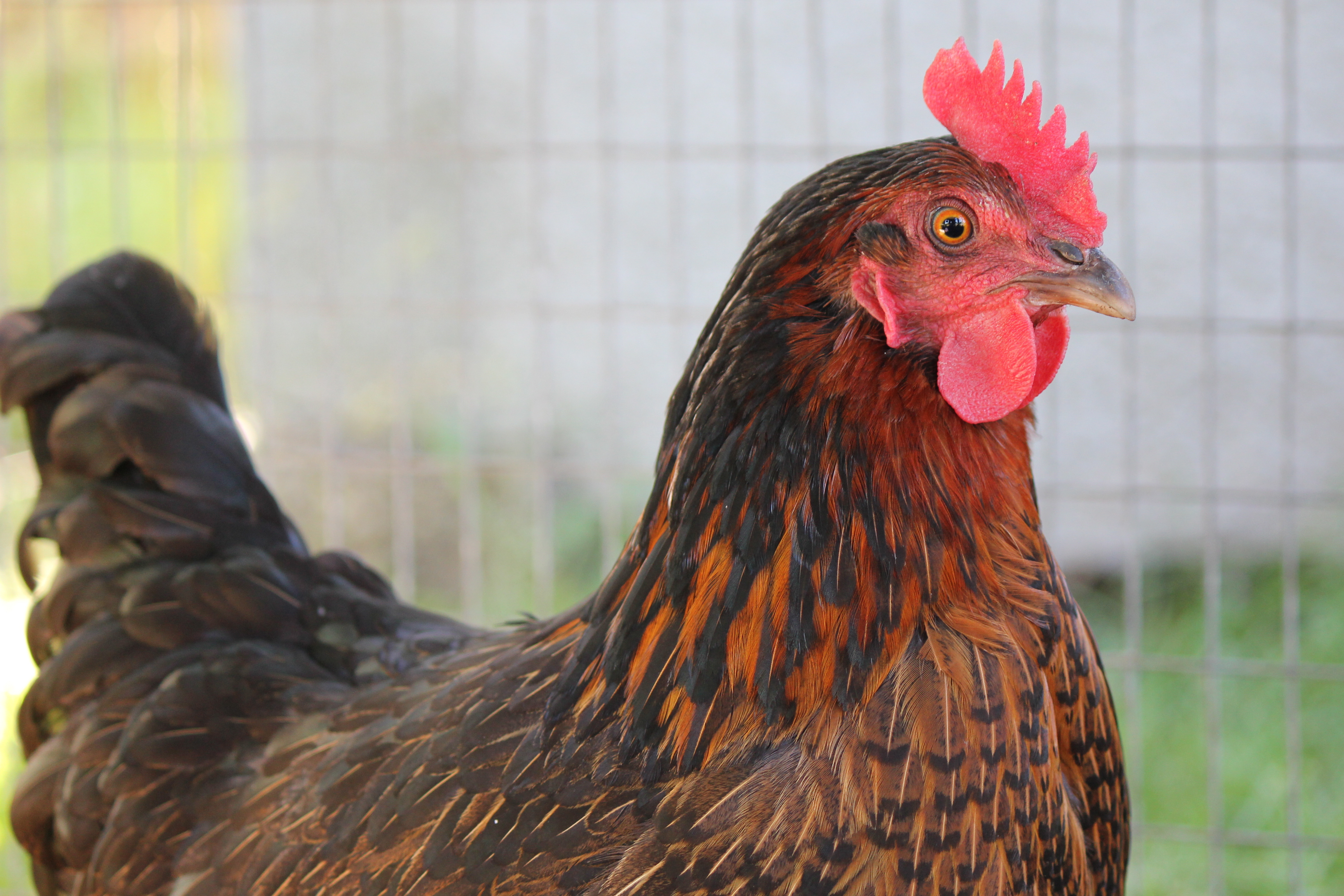
Sometimes things seem to work out almost too perfectly here. No sooner had White Chicken and Black Chicken been loaded into a dog kennel in the back of a van and driven off to their new home, that I noticed that Other White Chicken, my favorite, had laid her very first egg.

Her little blue-green egg is the same color as the one she was hatched from and is the first colored egg to be laid here, in other than shades of brown. I’m not sure what she is exactly, she looks a lot like an Ameraucana but the farmer I got the hatching eggs from said they were a mixed flock. Two layers gone and one layer gained!

The Chicken Dance

black chicken

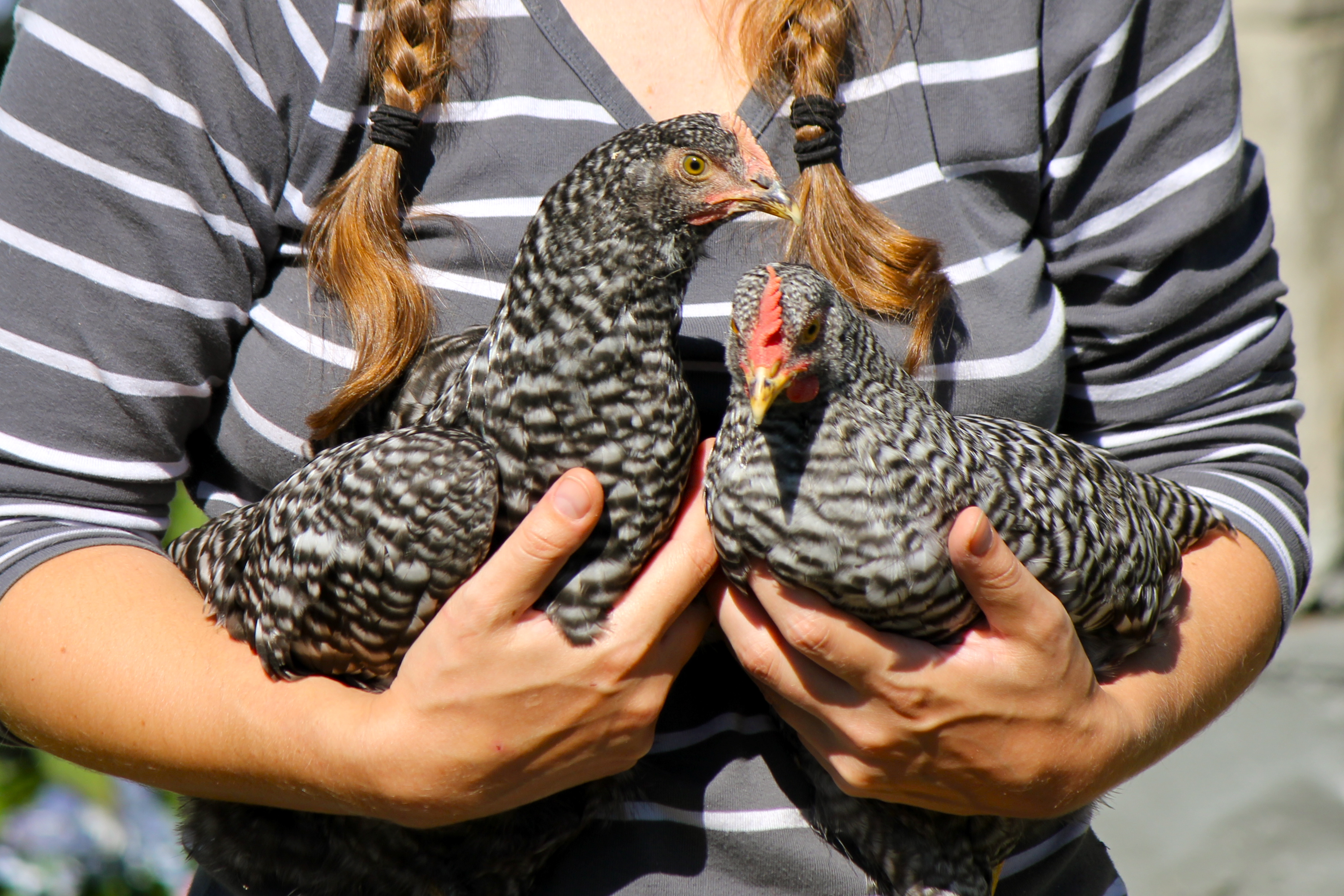
This is Black Chicken, accomplice to White Chicken who will be finding a new home together soon because they can’t shut up

I’ve wanted chickens for as long as I can remember. Finally getting some was a learning curve. You don’t just “get chickens”, you begin doing the chicken dance.

Let’s forget about all the stuff like coop building, basic care and maintenance, parasites or integration of different birds. I’m talking about the fact that laying heritage breed chickens have a window of productivity from about 6 months of age to about three years old.  Before that they are chicks and after that they taper off laying and are generally replaced. On top of this, there are certain other things involved in keeping chickens I never really considered.

I started with three Buff Orpington chicks. One was a roo, so he had to go. One pullet was killed by a raccoon before the coop was fully finished. Then I got a Columbian Rock and a Red Rock chick. Both grew into nice, reliable hens. I bought two huge Blue Orpington girls. They starting breaking all the other eggs in the nest from their weight so they had to be resold. I got three Black Copper Maran chicks, one was a roo and had to go. Then one of the two hens was sold because I was getting too many eggs. After that I sold my last Buff Orpington because she kept going broody to the point of near-death and bought a nice Barred Rock pullet instead. Then I hatched some Easter Eggers, out of which I got one nice little pullet. Now I’m trying to sell my Columbian Rock and Red Rock hens because although they are great producers, they are just too noisy in the mornings and I have to sleep with a pillow over my head.

Once these two chatty ladies are gone I’ll be down to three hens. This seems like a good number since it’s just me here now, although the dogs do help me eat the eggs. I haven’t had any hens long enough yet to retire them, although I’ve “retired” a couple of hundred spent layers and roos from other local flocks. I’m curious to see how productive my hens remain as they age, if I can ever hold on to one long enough. This has also led to wanting hens that all lay different colored eggs, so I know what’s up.

I’m at the point where I don’t really want baby chicks anymore. They’re incredibly cute, but they take too much care before they can become good producers, if they even make it that far. I’ll probably stick to buying pullets or hens at the local poultry swaps or from online ads if I need more eggs, or let’s be honest, more chickens. I do really enjoy trying out the different breeds and learning about them. I can always sell them right?

Bestowing of Names

DSC_0003

Some people name their chickens. I guess I name my chickens too… There’s White Chicken, Black Chicken, Barred Rock Chicken, Other Black Chicken. But then there’s Other White Chicken.

You might recall that last fall I incubated my first-ever chicken eggs. A soggy carton of blue-green eggs that I had picked up for $12 at the poultry swap. You may also remember that I couldn’t make my egg turner work with both chicken and quail eggs, so the chicken eggs needed to be turned by hand. Three times a day for 19 days. 57 times. Was that all? Felt like 5700 times.

Out of those dozen eggs, three chicks hatched. Of those three, two were roosters who are now enjoying the festivities at freezer camp. What was left was a chubby, speckled white chicken with no comb or wattle, fluffy cheeks and green legs. Other White Chicken.

I’m not sure if it has anything to do with the fact that I turned her egg myself three times a day or what, but OWC is like a little puppy dog. She has had a lot less socialization as a chick than my other current hens did, and her brothers were nothing special personality-wise. But from the very beginning she had attitude. As a day-old chick she would charge your hand if you put it in the brooder. She was aggressive and fearless and I always assumed she was the rooster and the other two were hens. Here’s a tip: If your chicks have lovely colors, they are roos. Kind of drab? Hens.

OWC is also a guard chicken, as my farm sitter can attest. Apparently she will fluff up and charge anyone but me who enters the coop and stare them down until they surrender. With me she runs at a perfect heel everywhere I go and begs to be picked up and petted on the head like a kitty. She refuses to sleep in the coop even in winter and instead flies up to sleep with the pigeons in the rafters. She’s also at the bottom of the pecking order, but she’s the youngest after all.

OWC is definitely a special chicken. I’ve had friendly chickens before, but nothing compared to her. It may be time to give her a proper name.

Amazing Turmeric

I sure wish I had known more about healing herbs and plants when I was growing up, it sure would have saved me a lot of money, time and hassle. After trying more and more natural cures, I don’t understand how certain commercial products can be so popular. So many of them just don’t work. There are things that do work though, and they work very well. They are also cheap and may already be lurking in your spice cabinet.

DSC_0074I recently learned about turmeric while I was researching ways to heal my broken foot faster. Turmeric has many healing properties, but my current favorite uses are for acne and for wounds. Not just human wounds, but poultry and livestock wounds as well.

I already had a little turmeric in the pantry for use in making curries. Recently at the Superstore I saw them selling it in kilo bags. Really? Who needs that much turmeric? Well, if they’re selling it someone must be buying it. It was cheap. I had been reading about its many uses. I bought a package and brought it home.

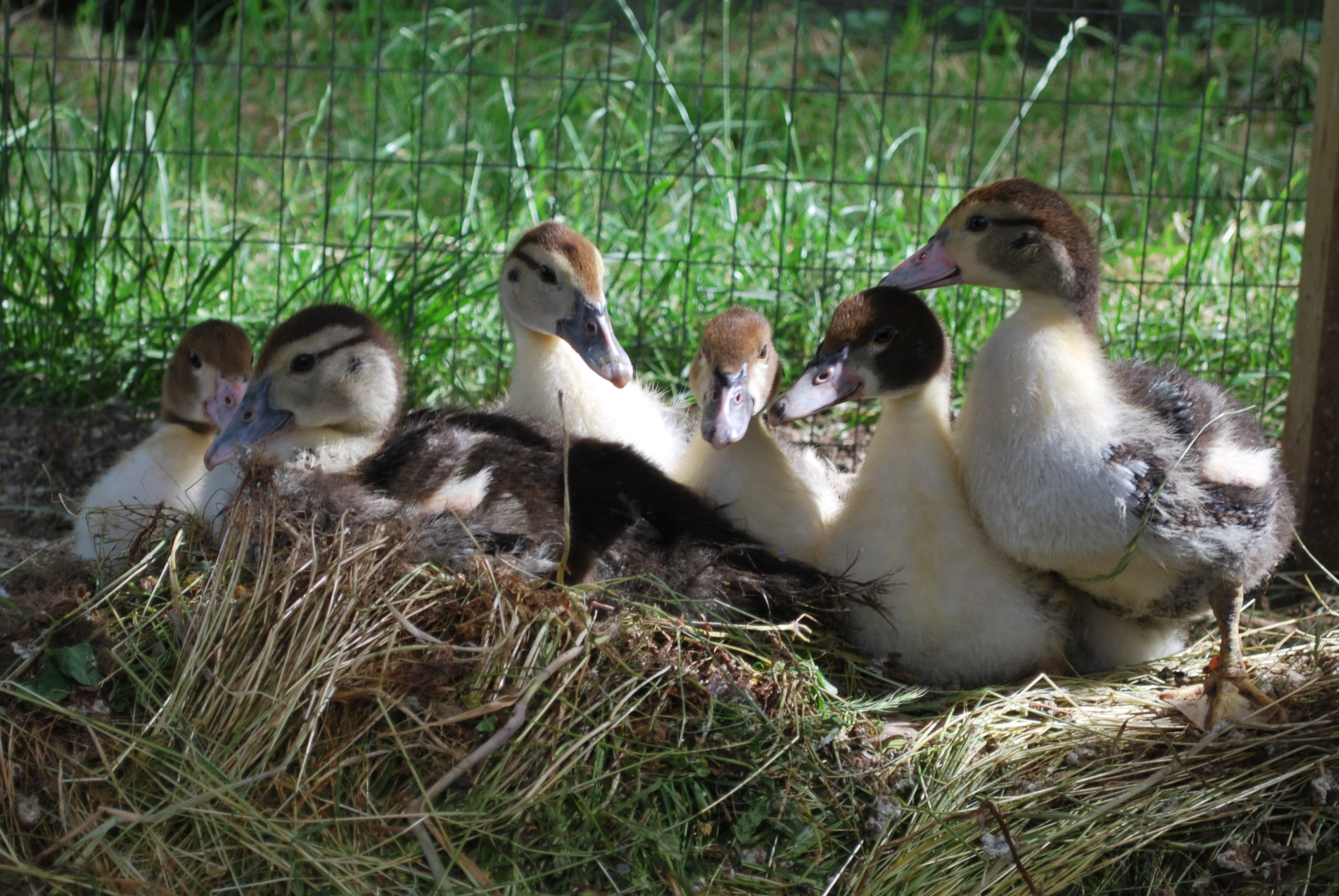
It turns out I needed it almost right away. I have three young Muscovy ducks that are in the process of growing up to become new breeders. I had them separated from the main coop but decided to try to integrate them since they were getting pretty big. It turns out the chickens decided that it would be fun (and tasty) to peck out the pinfeathers coming in on their tails. After just one day all three ducks had big, bloody holes in their tails and it was obvious they needed to be separated again. The wounds looked very nasty and I didn’t want them to continue to pick at each other after they were separated, so I made a quick, runny paste with olive pomace oil and turmeric and slopped it all over their tails. I had read it worked well for open wounds. The ducklings all calmed down immediately like they felt relief from the pain. The next day, the wounds looked amazing. They were not red or angry and they looked like they had dried out and closed up almost completely. The color seemed to discourage any more picking. Turmeric and oil is now my go-to remedy for any poultry wounds. It’s amazing.

My second favorite use is for acne. I suffered a lot from acne as a kid and eventually had to go on Accutane to calm it down. I still get a few zits on my face now and then, usually right before my period. Generally they are of the blackhead/whitehead, raging red and angry type that I can’t leave alone because they look gross and hurt. Despite better judgement I usually try to squeeze these things to relieve the pain and of course this usually makes them worse. They weep and will sometimes resist healing, forming a new zit in the same spot. Until now I used my favorite (pre-turmeric) remedy, Polysporin; which works well for a lot of stuff but somehow not for zits. I think by keeping the area moist it’s counterproductive.

Well, the cure my friends is turmeric. Make a paste of water and turmeric and put it right on your zit. You will feel a warming sensation and any pain will instantly recede. If you have popped a zit and it is weeping, dot some dry turmeric on the spot. It will stop the weeping and calm down the redness and pain. You will be left with a small, dried-out spot that will heal very quickly. The only side effect is your fingertips and sink/washcloth may stain yellow. It will stain your face a little as well, but I’ve found this not to be noticeable enough to care about. Seriously, if you have acne problems, you need to try turmeric. It will change your life.

Trials of a Farmer with a Broken Foot

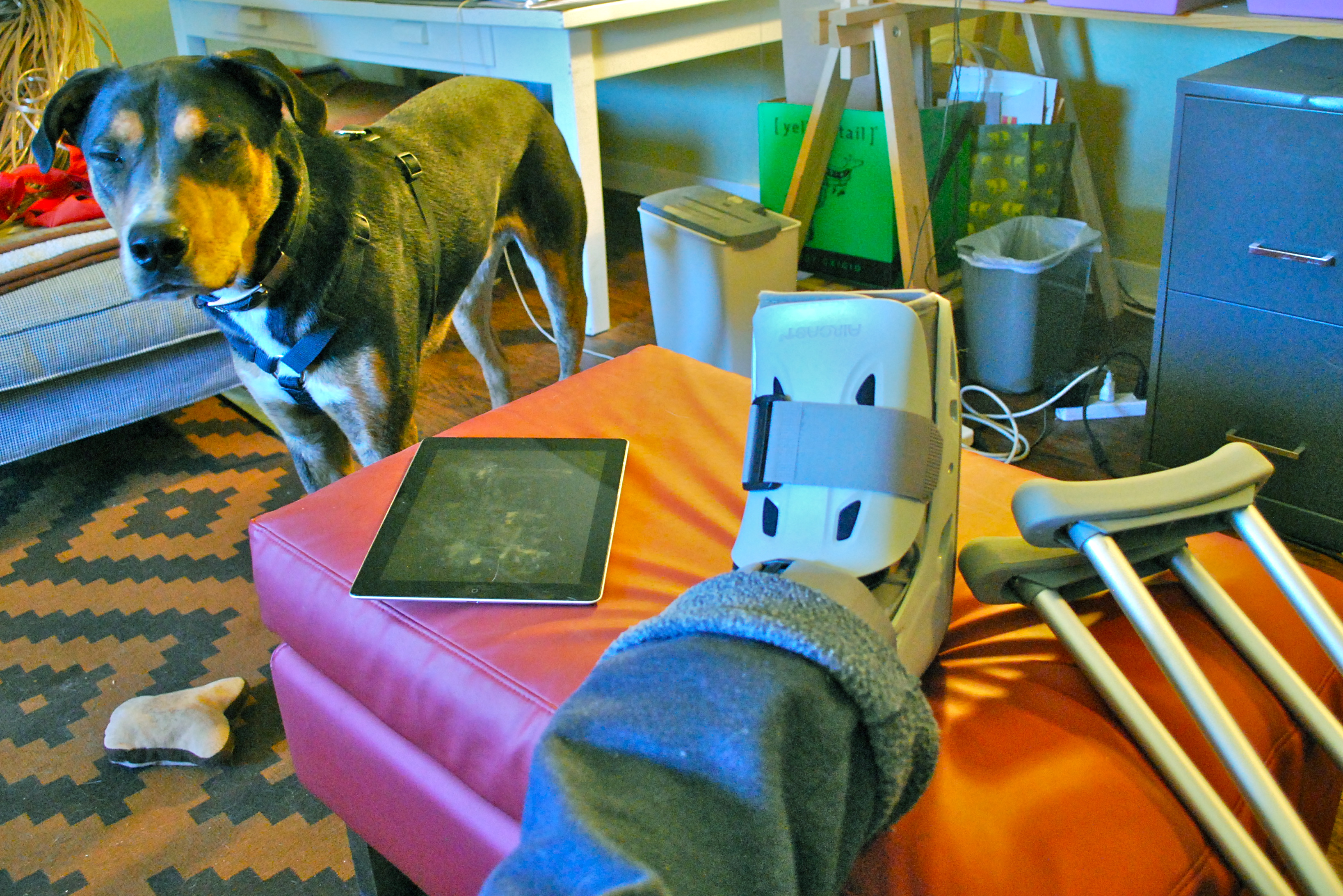
It’s been four days since I broke my foot. In that time period I have hopped, rolled, crawled, balanced, hoisted, scooted and cried from frustration. Let me tell you, a broken foot is not just an major inconvenience, it is a total lifestyle change.

Do crutches look easy to use? They are for the first ten minutes. I learned fast that you are not supposed to bear weight under your armpits and trying to will hurt you and possibly cause nerve damage. This means all of the strength needs to come from your hands, arms, shoulders and chest. Areas of my body that could probably have used a little work. Well they’re getting it.

On day two of my break, the rest of my body hurt way worse than the busted foot, which felt fine other than being very swollen and bruised, even though I was not on painkillers. My good leg was a tight ball of stress, my abs were so wrecked it hurt to cough and I was totally exhausted. Many times I found myself hungry or thirsty but did not have the energy to crutch myself the thirty feet to the kitchen. Not to mention I couldn’t carry anything back to my desk where I was set up anyway. Any eating or drinking had to be done standing at the kitchen counter.

All of this is nothing considering I have a small farm to take care of by myself. Usually my daily chores take about an hour, and consist mainly of feeding and watering the rabbits and poultry and collecting eggs. Outdoor rabbit tractors also need to be moved to fresh grass daily. The first day I managed to get the chores done to my satisfaction, even though the tractors had to stay put. It took me almost two hours and felt like I had just run a marathon. The only way to carry things was to abandon crutches and hop on one foot. This of course also entails hopping back to wherever you left your crutches, trying not to trip and fall on your broken foot. Sigh. Much spillage and panting ensued.

My life before the broken foot was very full, I was busy all day long running back and forth. Did I mention I also have a small business to run in addition to the farm? Well I do. Luckily I can still sit at a desk and stand at a workbench for short periods so I can complete these tasks with some competence.

I am very lucky to have help. This past weekend my lovely boyfriend came over and did absolutely everything for me. He cleaned my entire house, did all my chores, took me out to eat when I was hungry and fetched me whatever I required. He set me up with jugs of water in each room and even left me his iPad so I could play my silly games in bed. But alas, dear boyfriend had to go back Sunday night for a week of working on the Mainland.

Just the thought of getting down the back steps today and tackling the barn chores now tires me out. They’ll have to get done one way or another but I’m not looking forward to it. Yesterday I bought an expensive walking cast and the doctor at the clinic seemed to think I could walk on it right away. “You can do away with those!” he said pointing to my crutches. I was relieved, but also skeptical. Turns out I just can’t put my full weight on it so soon and I don’t want to either. The cast still helps a lot though with keeping the foot rigid and keeping the swelling down.

The doctor at Emergency didn’t really give me any helpful info at all. He said I should get a walking cast when the swelling went down and gave me a Dilaudid. Then he told me I could go home and walked away even though I was sitting in a locked wheelchair in the middle of an empty waiting room. I had to twist around, depress the lock on the handle of the chair and concurrently inch myself backwards back to reception with my good foot where the nurse said “Wow you’re coordinated! Those chairs aren’t designed for patients to move themselves.” I told her I figured that out already. She looked at my bare foot and smiled. “Not broken after all?” I told her yes, it was broken but the doctor sent me home. She looked confused and said “He didn’t even give you a splint, nothing at all?” I said no and asked if she would please call me a cab.

Considering I pay about $85 a month for healthcare and haven’t been to the doctor in maybe 5 years, I was pretty underwhelmed by the service at the hospital. They didn’t even have a pair of crutches to loan me so I could get home.

Is it weird that I’ve been training my wolf mix to pick up household objects and hand them to me for the last few months? Was I anticipating this accident somehow? Too bad he can’t take out the garbage.

DSC_0002

The Easiest and Best Coturnix Quail Brooder

Many designs for chick brooders exist out there, but most of them are high-maintenance, hard to clean, or labor intensive to construct.

I’d like to share with you the best design I’ve come up with for brooding very small quail chicks (or chicken chicks or ducklings). The parts are cheap and easy to put together and clean, the water stays crystal-clear without drowning incidents or changing five times a day. The chicks stay healthy and there is a minimum of care involved.
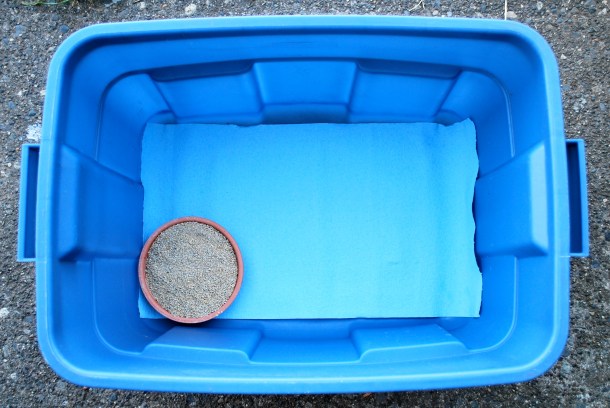
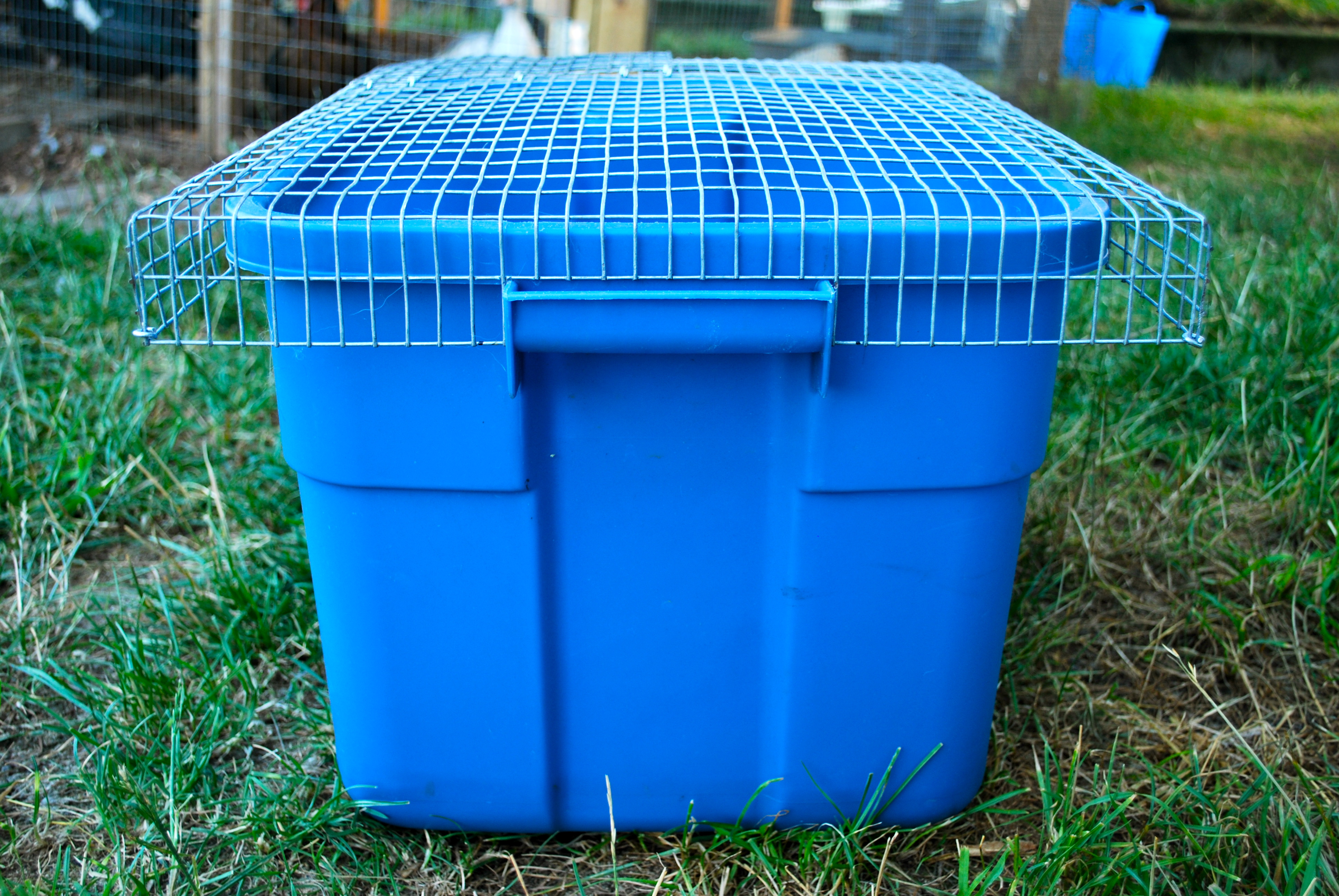
DSC_0003You start with a standard Rubbermaid bin, the one foot tall size works best. Remove the lid and store it. This gives you a nice solid-walled brooder that will protect the tiny chicks from drafts which can chill them. If you decide at some point that raising chicks is really not for you, you still have a usable bin.

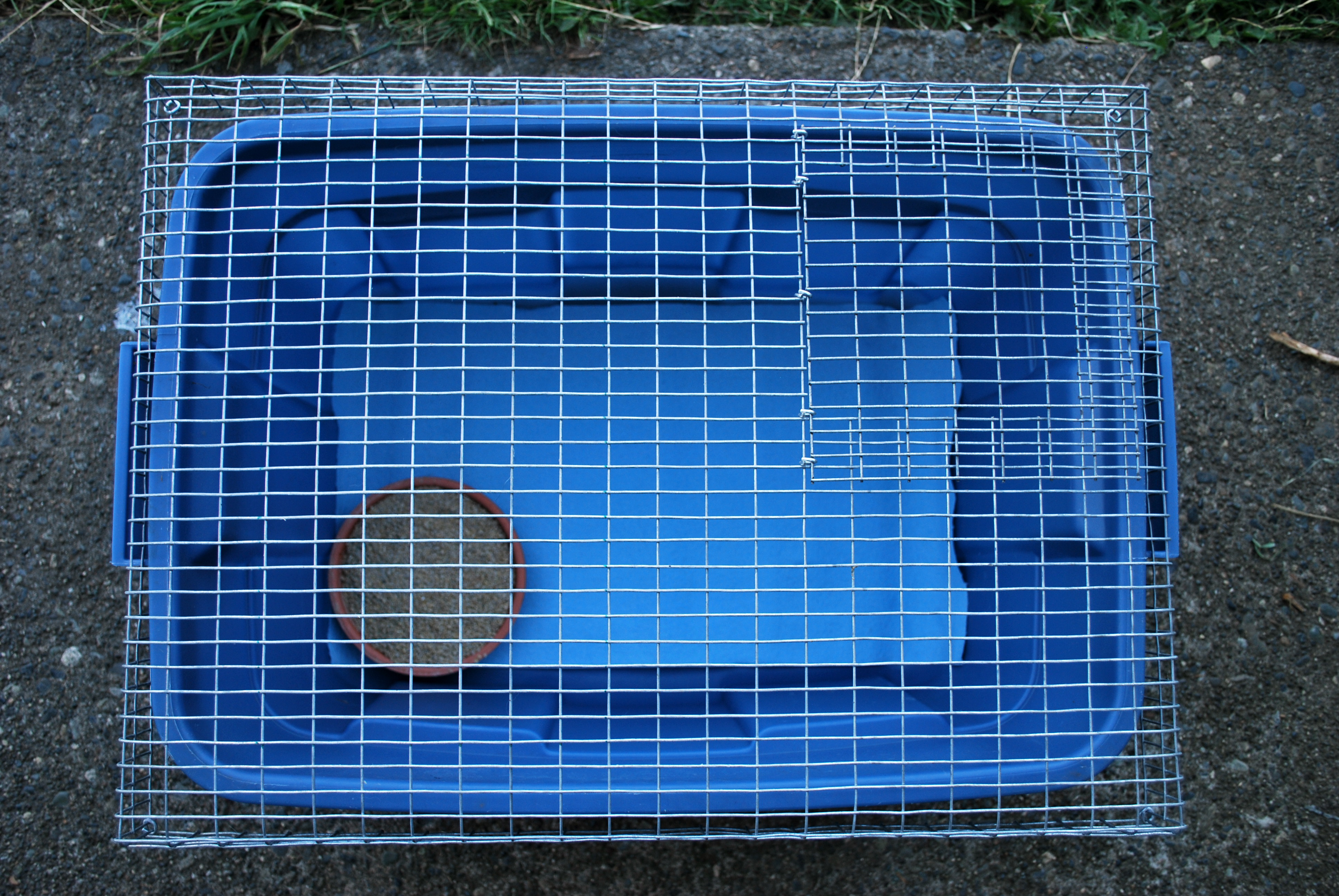
Line the bottom of the bin with shop towels (as seen here) or paper towels. Anything slicker, even newspapers, will cause traction problems and you could end up with spraddle-legged chicks who will not survive. Place a shallow saucer of food and also sprinkle some food around on the floor of the brooder so the babies can easily learn to peck at the pieces.
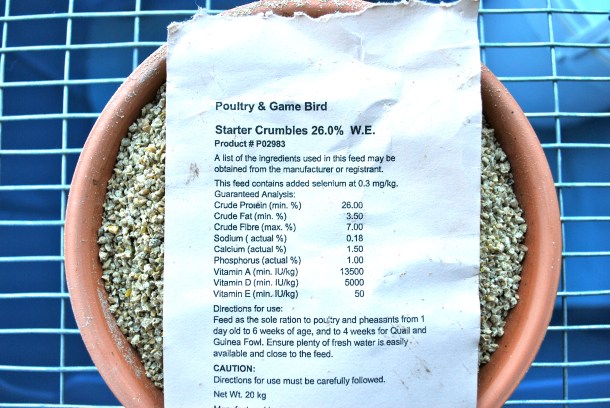
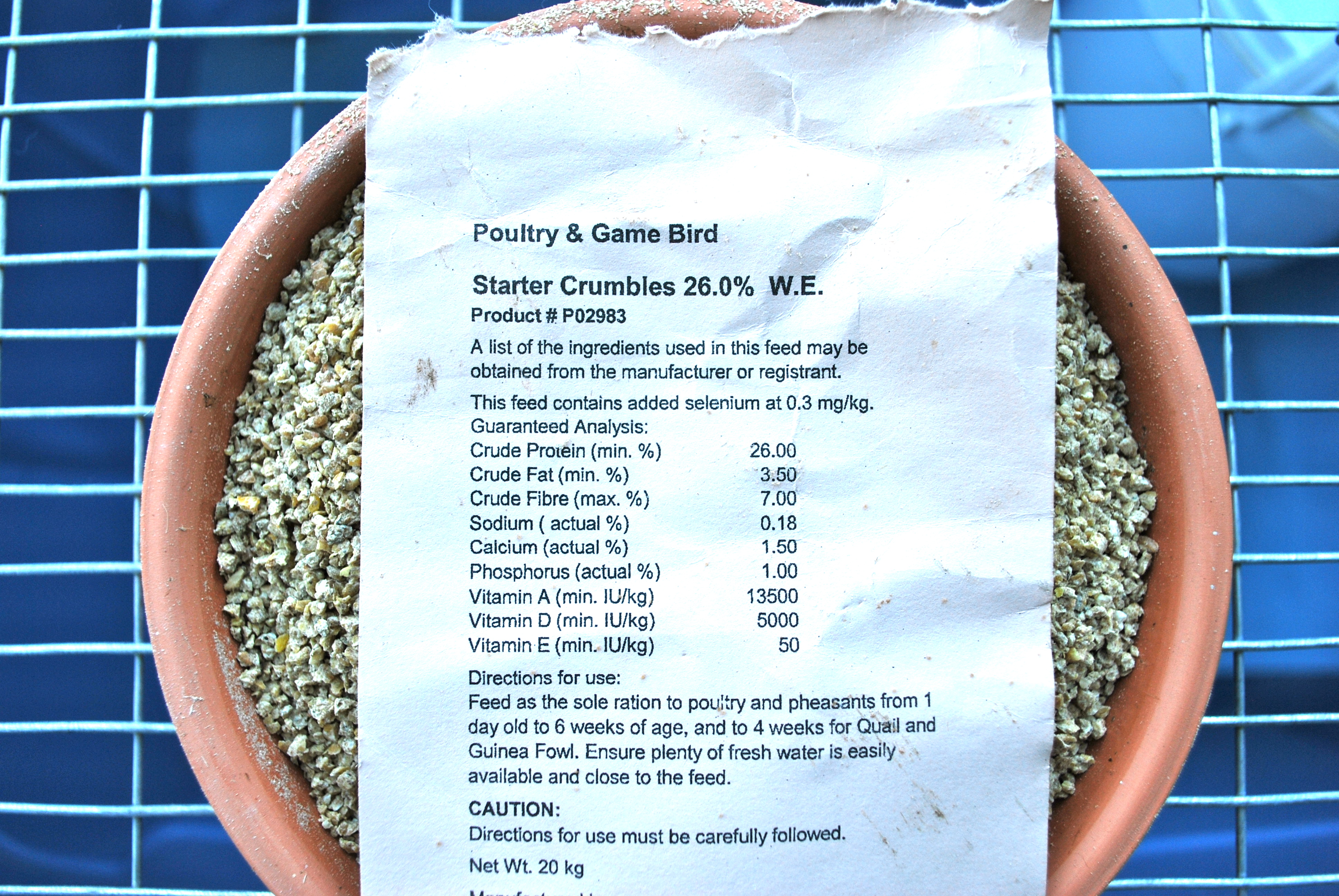
DSC_0019Nutrition is very important. Quail grow incredibly fast and will run into problems if fed incorrectly. I use a 26% gamebird crumble throughout their lives and they do very well on it. You don’t need to pulverize the crumbles, the chicks will find pieces small enough to eat.
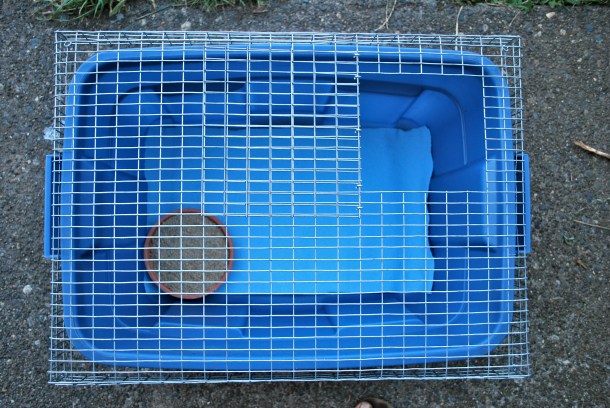
DSC_0002Now you need to create a mesh top for your brooder to provide ventilation, keep quails in and prying fingers and paws out. I created this top easily using a piece of 1″ by 1/2″ galvanized wire mesh, normally used for rabbit cage flooring.

Cut a piece that is 26 inches long by 20 inches wide. Remove a 2″ square from each corner so you can bend the sides to form an overhanging lip. Use a piece of 2 x 4 lumber as a guide and a hammer to bend your sides up at the seam and fasten the corners together with small hog rings or j clips.

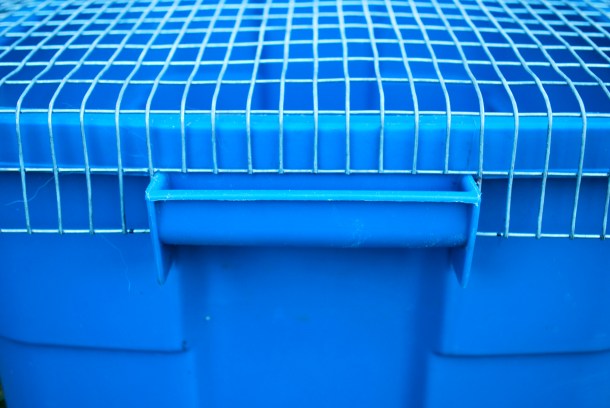
DSC_0006DSC_0005Next, cut out two 5″ by 1″ slots in the center of each short side to accommodate the handles. If you bent your sides and corners neatly, everything should fit perfectly.

DSC_0002

Brooder with drinker flap open

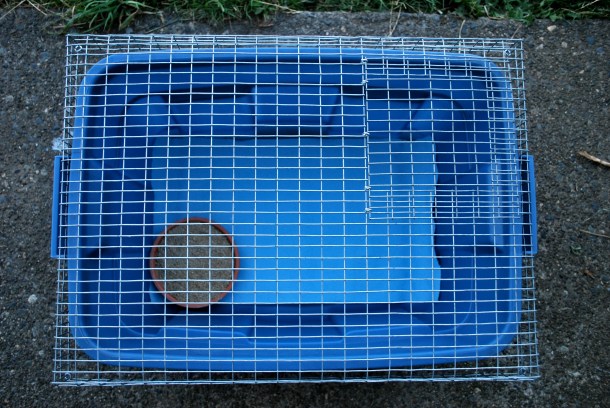
Next you want to cut out a square in one corner to accommodate your drinker or waterer. You will need to customize the size of the opening to fit whatever container you use. Then cut a square that is 1″ larger on three sides to fit over the opening like a flap. Connect at the hinge with more hog rings.
DSC_0001

Brooder with drinker flap closed

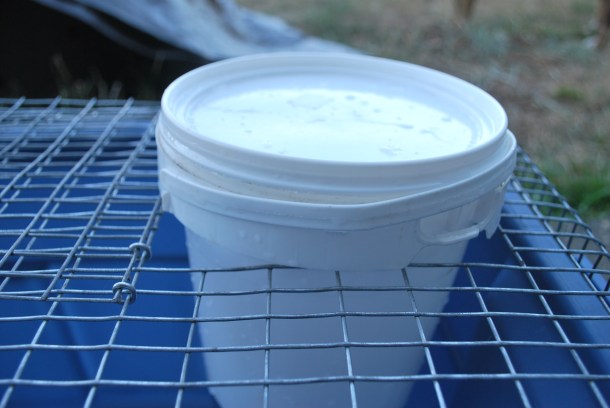
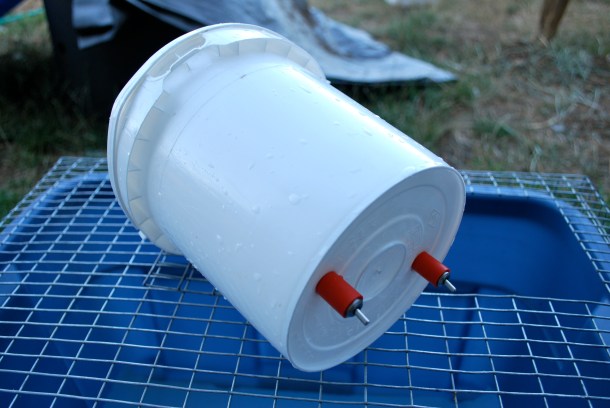
Now you need to construct your waterer. Mine is made from a small plastic honey specimen bucket with a lid, but you can use any small plastic container with a lid such as a clean, large yogurt container. As long as you can fit your hand inside to install the nipples it should work. If it has a handle, even better. If not, you may have to add one with a piece of wire or cord.

I find that two nipples are sufficient for the amount of quail that can fit in this small brooder. Make sure you buy high quality nipples as the cheap ones may leak and/or fail. These ones cost me over $8 each, but they’re worth it. Install your nipples carefully and test to make sure they are working and not leaking. To install, just drill a hole slightly smaller than the nipple and push it in tightly. Always retest your nipples when refilling to make sure they are still functional.
DSC_0011

Chick drinker with nipples installed

DSC_0010

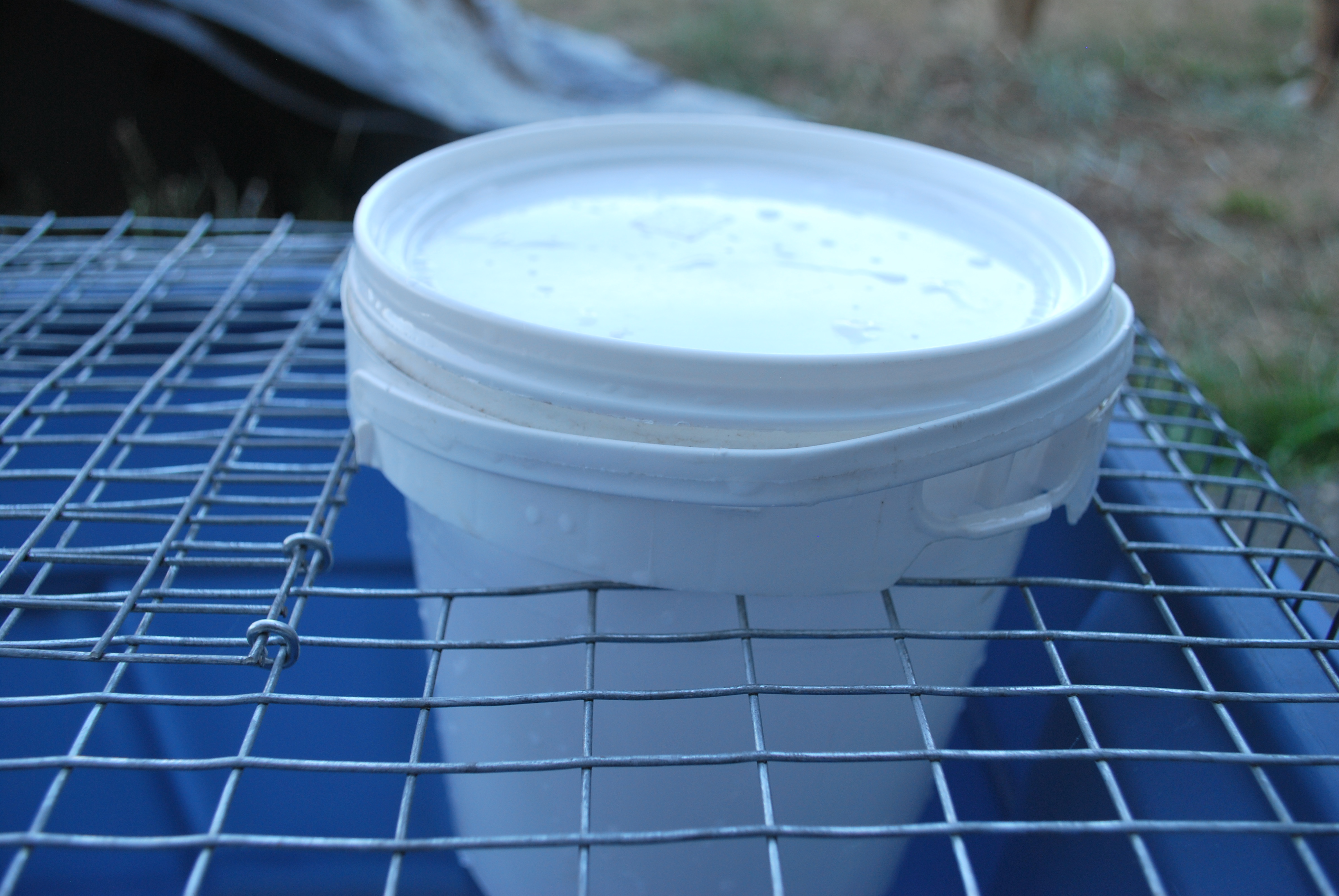
Drinker supported by mesh lid

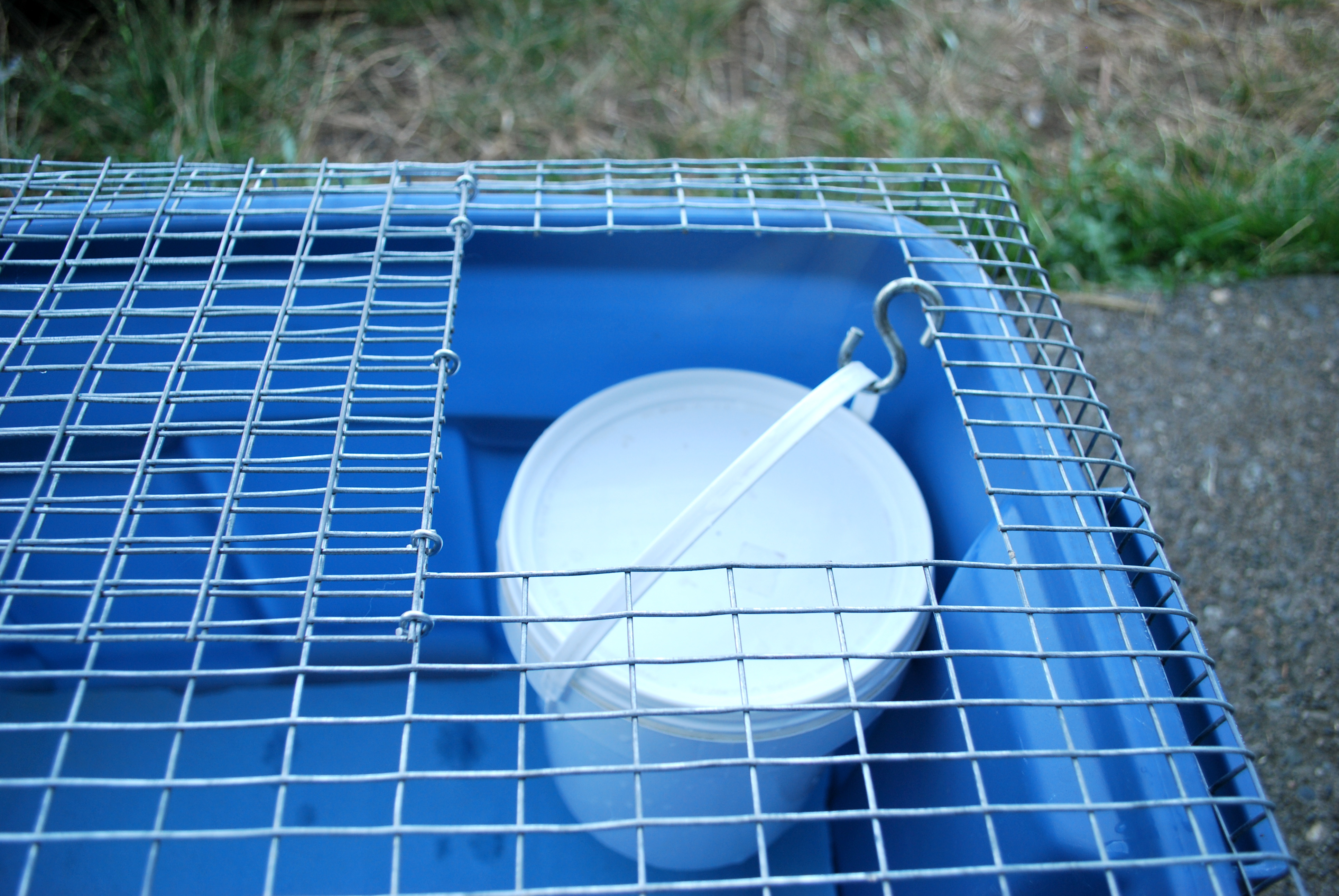
Your drinker should fit snugly over the mesh and hang inside the brooder. When the  chicks are very small you will need to adjust the height, beginning with having the nipples only an inch or so above the floor. To do this you will place the drinker inside the brooder and hang it from the mesh at the suitable height with S hooks.
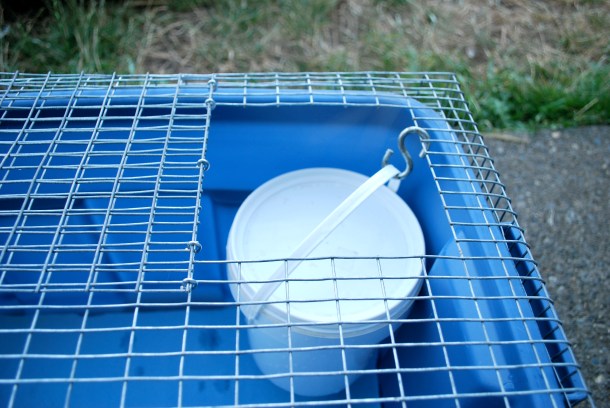
DSC_0016

Drinker height adjusted for newborn chicks

DSC_0017

With safety flap closed

Now you just need to add a heat lamp overhead at the correct height and fill up your waterer. You can see my heat lamp has a metal safety grille which needs to be removed as the chicks need the bulb itself quite close to the mesh top for the first week or so.

The chicks learn very quickly where the water is and it won’t need to be refilled for at least a few days and up to a week. The water will stay sparkling clean with almost zero maintenance. An added benefit is it provides a small shaded area for overheated chicks.
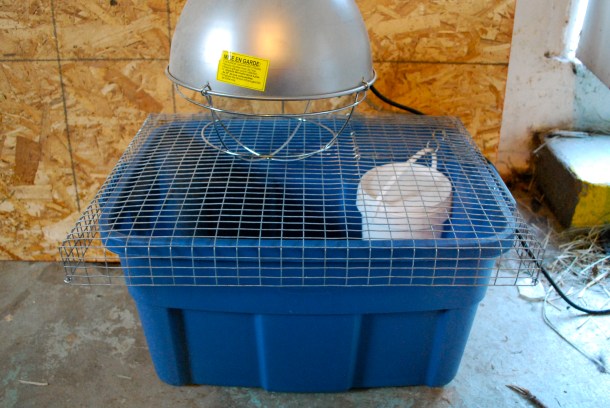
DSC_0022

Ready for new chicks!

This size brooder will hold approximately 60 quail chicks (at an absolute maximum) for the first couple of weeks. The chicks will tell you if they are too hot or too cold so pay attention to the noise they make and their activity. Make sure the heat lamp is not placed directly above the water as chicks don’t like water that is too warm. Also keep it away from the sides of the bin as they may melt.

As the chicks grow and poop, add layers of woodchips (not cedar) or wood stove pellets to the floor and adjust the drinker height accordingly. I don’t clean out my brooder until the chicks are taken out, I just add more bedding as needed.

If you have any more questions about brooding Coturnix Quail chicks, ask me in the comment section below or check out my Coturnix Quail Chick Care Sheet. Happy brooding!

Incubation Woes

DSC_0001Well, it’s that time again. I’ve had so many requests for fertile quail eggs that it took a couple of months to get enough together for a hatch. I wanted to do a dual hatch with some chicken eggs in there, since I’ve never hatched out any chickens before.

I have a Hovabator with an automatic egg turner and both quail and chicken-sized egg holders. I naturally assumed I could have both holders in the turner at once and set it and forget it (sort of). Well, after many agonizing attempts to fit both sizes in I concluded that it is impossible to use the egg turner with both chicken and quail eggs. You can have chicken, you can have quail, but you can’t have both. The egg holder attachments are different sizes and the very flimsy plastic arms that actually effect movement will not work with both. Whose idea was that? Not that the rest of the turner is much better. I see these things selling for $89.99 and they are a huge piece of junk. The plastic is cheap and breaks easily. The only thing holding a tray of eggs are two thin plastic spokes that you could snap like a dry twig. The whole unit consists of a small motor and some poorly-formed plastic parts and shouldn’t cost any more than $20. I doubt it will last for very many more hatches.

Anyway. So this means, in addition to keeping the temperature and humidity monitored I have to turn my Ameraucana chicken eggs at least three times a day. To me that seems like a lot of work and a lot of opportunities to break eggs. Luckily it’s day 11 and I haven’t broken any yet. I’m starting to feel a lot like a mother chicken though. How long has it been since they were turned last?

“Pet” Chickens

IMG_2656I love my chickens and they are all very nice chickens, if I do say so. I currently have one Buff Orpington, one Red Rock (Rhode Island Red/ Barred Rock cross), one Columbian Rock, two Black Copper Marans and two Barred Rocks.

I’ve raised all my current chickens from store-bought chicks, except the two newest additions, the Barred Rocks who were purchased from the Poultry Swap last Sunday.

So far, the Marans were flightiest as chicks, with the Red Rock and the Columbian Rock in second. The Buff was a fairly friendly chick, but if you really want a friendly chicken who will not only tolerate but enjoy being picked up, who you will want to bring in the house, who you will allow out to free range after only two days… Who is basically like a puppy dog… You evidently need to get chickens raised by a lovely little British girl who have been given a kiss goodnight every day of their young lives.

I finally understand the concept of the “pet” chicken. I mean, all my chickens are now very friendly and instantly underfoot when I go in the pen. They’re not scared of me, they know I’m the food machine. But these new chickens are a whole different class of bird. They are just so human-bonded and I couldn’t be more grateful to the awesome future farmer girl who raised and sold them to me. Thank you!

Poultry Swap Day

Well, the rabbits were packed up and trucked off to the swap this morning. As I predicted, there were plenty of admirers but no buyers. I did give out my number to a few people though, which will hopefully translate to some sales later on.

There were lots of things on offer, it was probably the best-attended swap I’ve been to so far, even though it was rainy. I managed to pick up a few excellent new additions to the homestead and only spent a grand total of $56.

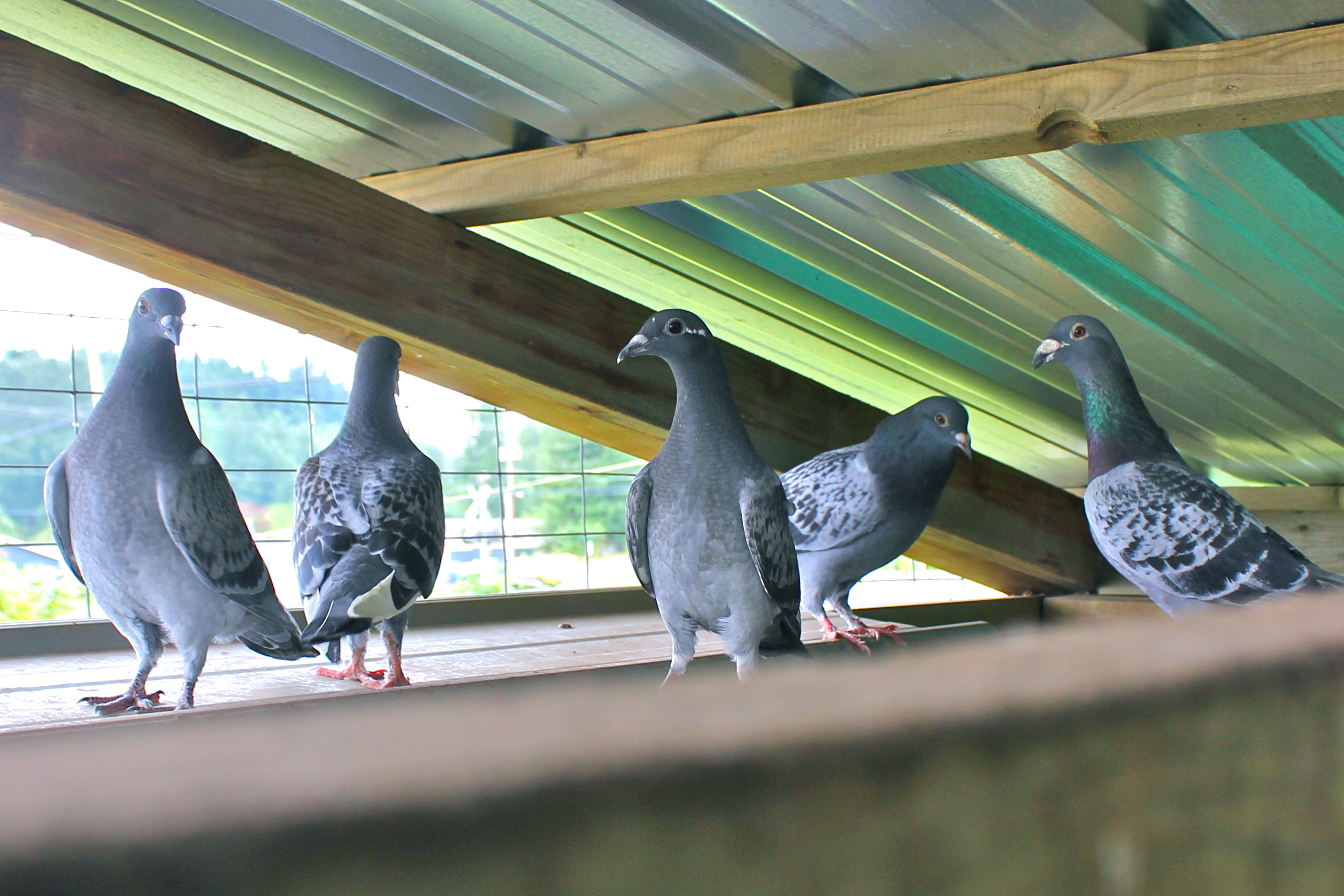
My first purchase was something I’ve been wanting for a long time… Homing pigeons. Ok, I did want fantail pigeons, but I needed birds that could occupy the upper quadrant of the chicken pen and fantails are not great fliers. Plus, with homing pigeons you can drive them miles away and let them go and they find their way home. You can’t have that kind of fun with a fantail!

IMG_2308

My five new homers

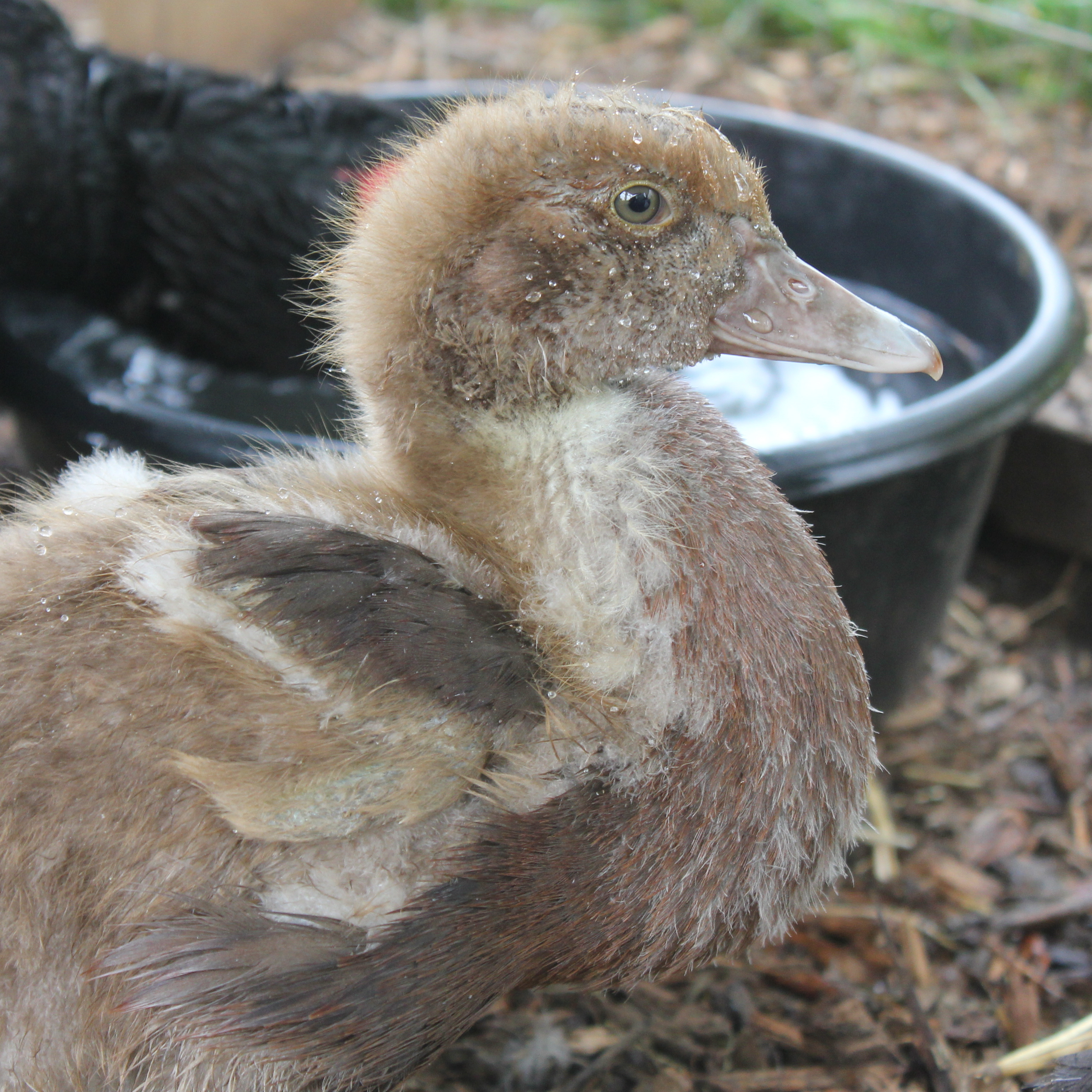
The second purchase was a pair of chocolate Muscovy ducklings. I know, the last thing I need is more ducklings but I really want the chocolate color, so hopefully they will stay on as breeders. The other, older ducklings will probably all be going to freezer camp at the 12 week mark, around the beginning of August.

IMG_2305
Third purchase was another long-time desire of mine… Barred Rock chickens! Barred Rocks were the breed I wanted first when I moved here, but somehow it never worked out. Today I purchased a young pullet and cockerel pair from a lovely little girl who told me they have been kissed goodnight every day since they were born. They certainly are very friendly birds. I’m going to try making my version of a “No-Crow” collar for the rooster to see if it actually works. It’s just a little fabric collar that goes around the neck and prevents the rooster from getting a full big breath of air to let out a big crow. I’m skeptical but it sure would be awesome to hatch out my own chicken chicks!

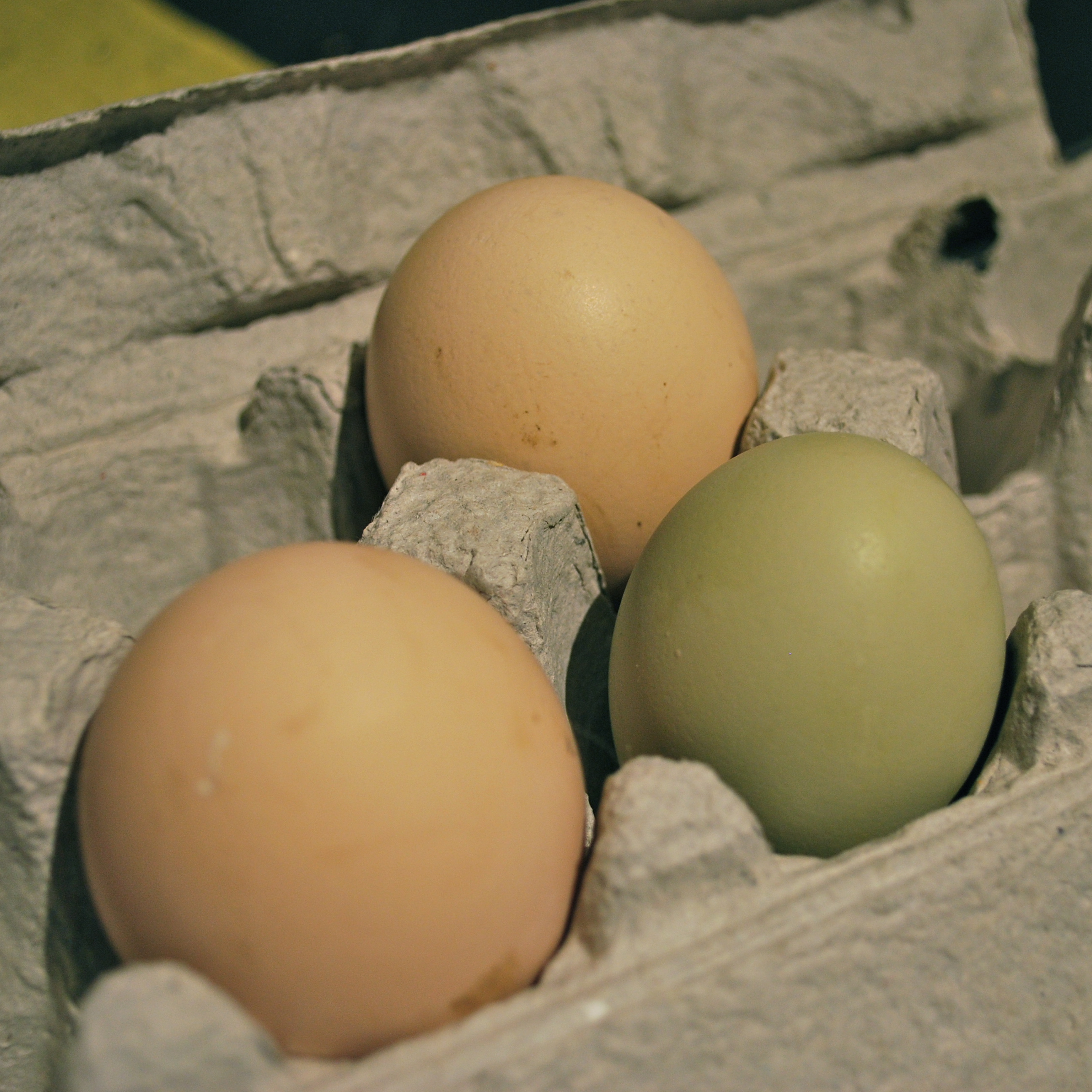
My final purchase for $6 was a dozen pastel green Ameraucana hatching eggs. They’ll be going into the incubator with the latest clutch of quail eggs in the next few days. I’m very excited to see what develops!

IMG_2301

Bees and Ducks

Image

DSC_0030

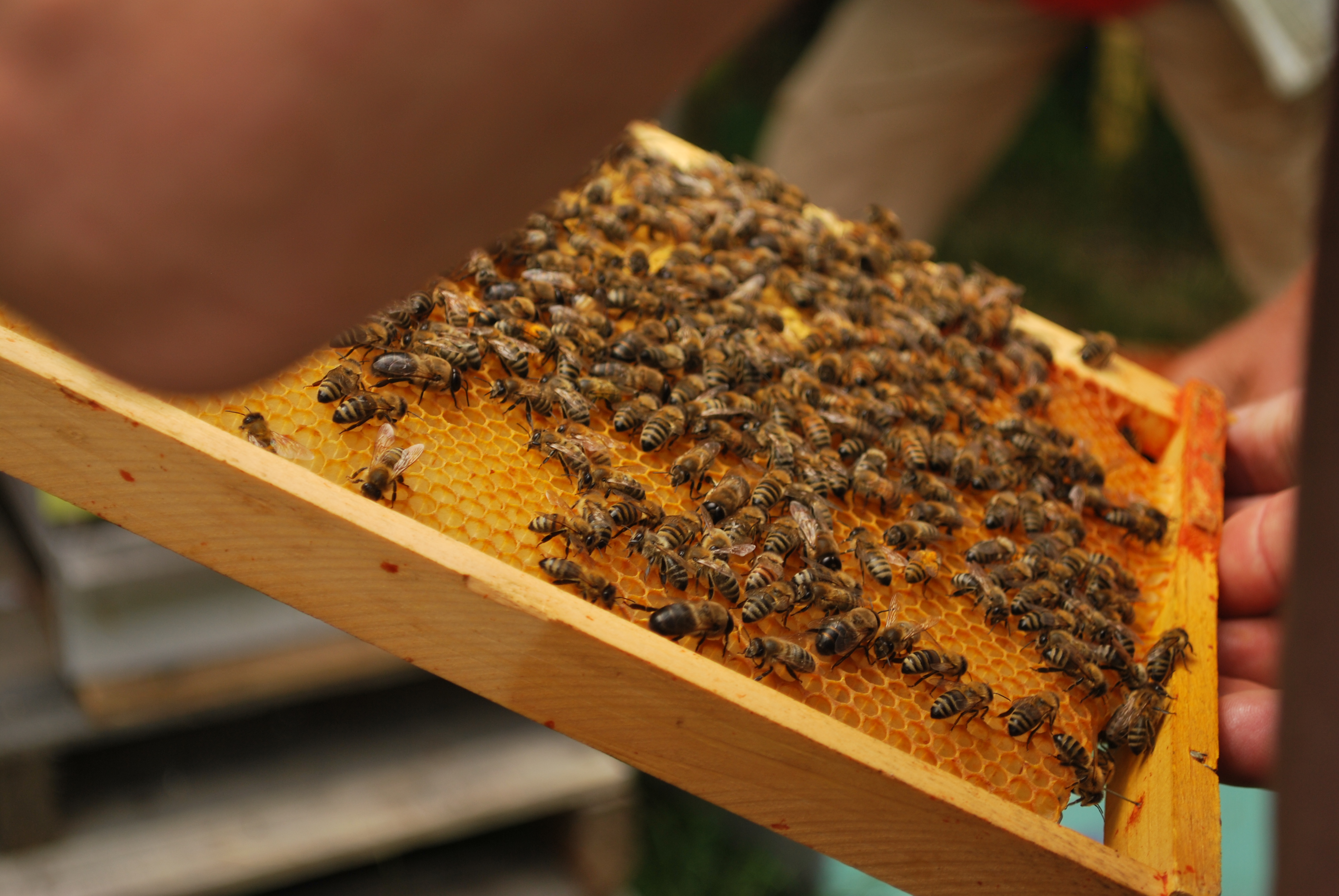
Went to a delightful Bee Club picnic today with my fabulous boyfriend and had my first in-person look at the inside of a working beehive. There’s nothing quite like the feeling of being in the center of a buzzing cloud of bees. It shouldn’t feel safe, and yet it does. It’s an amazing calm feeling. I was also the only person to get stung today, right on the top of my head when a bee got stuck in my topknot. In a way it was a relief and there’s an aspect of it that feels almost therapeutic.

I picked up some fantastic items at the fundraiser auction, some perennial broccoli starts and some seed grown, five year old trilliums. The two dozen fresh eggs I donated in a red wire basket were picked up for $10 by a charming Croatian woman who gave me a complete rundown on Linden trees, another hot auction item. Much good food, home-brewed mead and sunburns were enjoyed by all.

Image

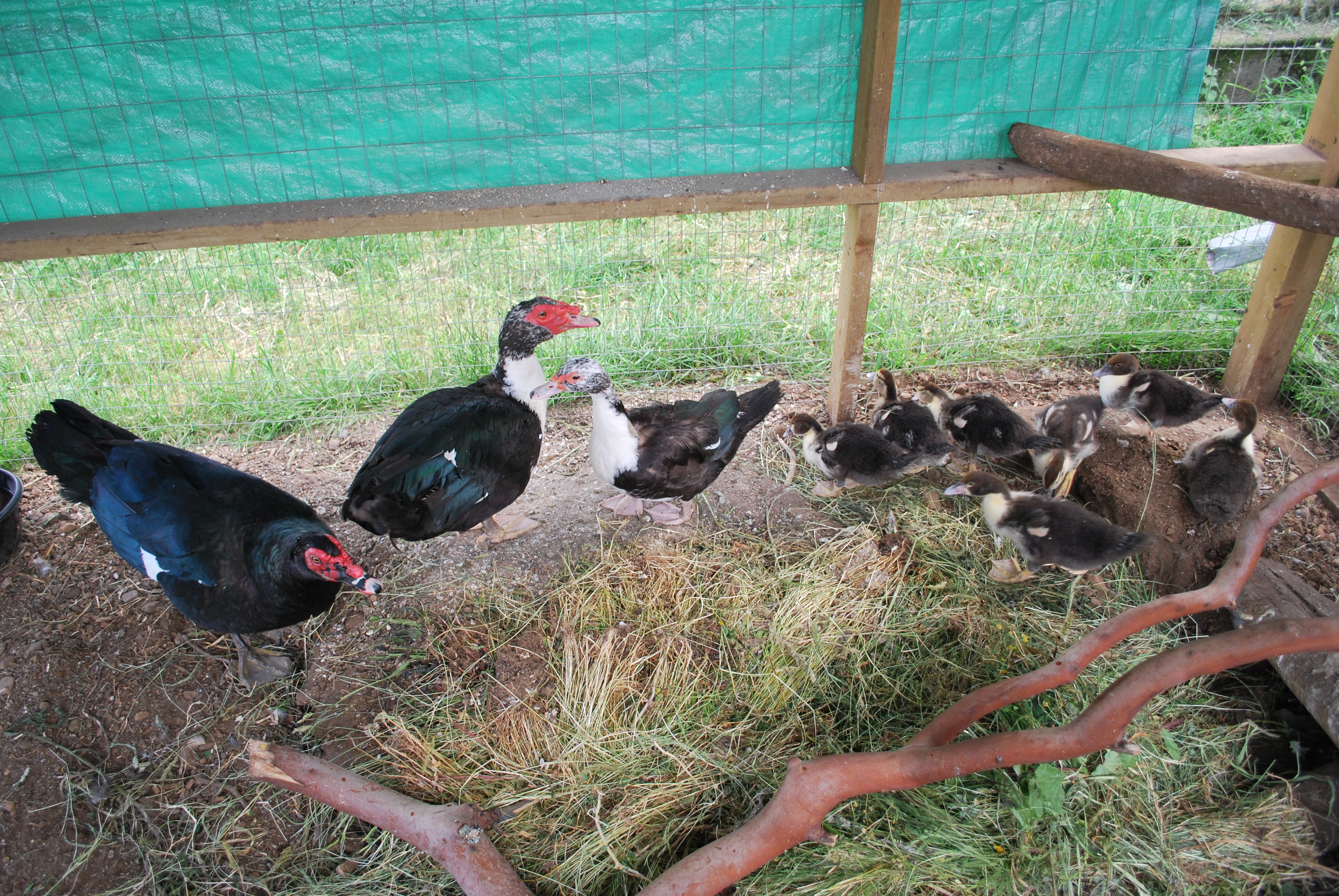
We returned home just in time to complete a poultry trade. Two downtown Muscovy ducks and their seven ducklings were dropped off in exchange for one Black Copper Maran hen. Great deal!

Duck social dynamics are so interesting to watch. These new ducks are looking a bit ragged, but they seem very friendly and it will be lots of fun watching them grow up. I love ducks.

DSC_0107