My Boys

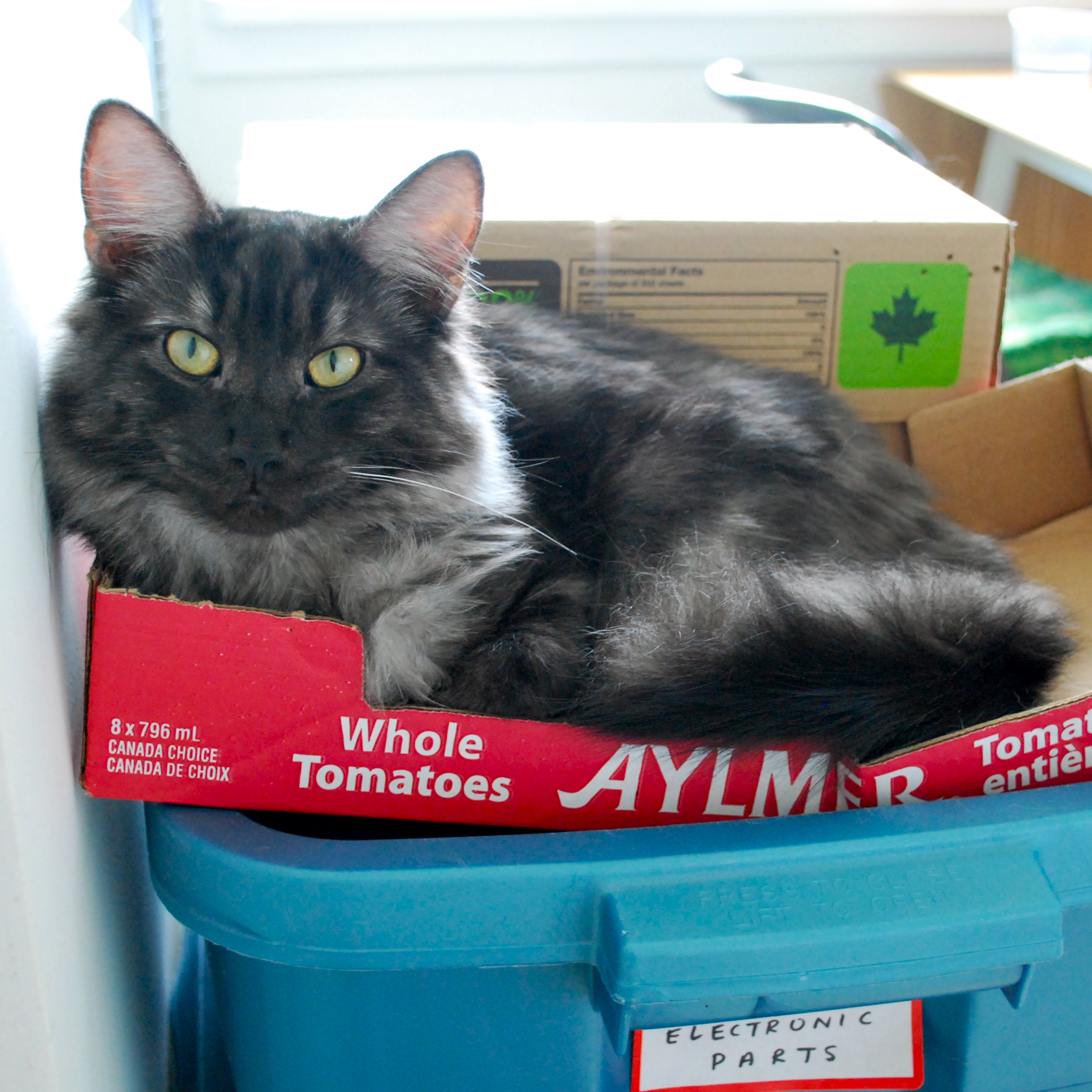
DSC_0007Although I’ve had cats all my life, I always had girl cats. I don’t know why, I guess I didn’t want to deal with spraying or cystitis. Of course now I have three girl cats who spray and Fred, the former stray, who has cystitis issues.

Then mama cat and her kittens showed up, and Fred moved in and all of a sudden I had three boy cats.

DSC_0001DSC_0028

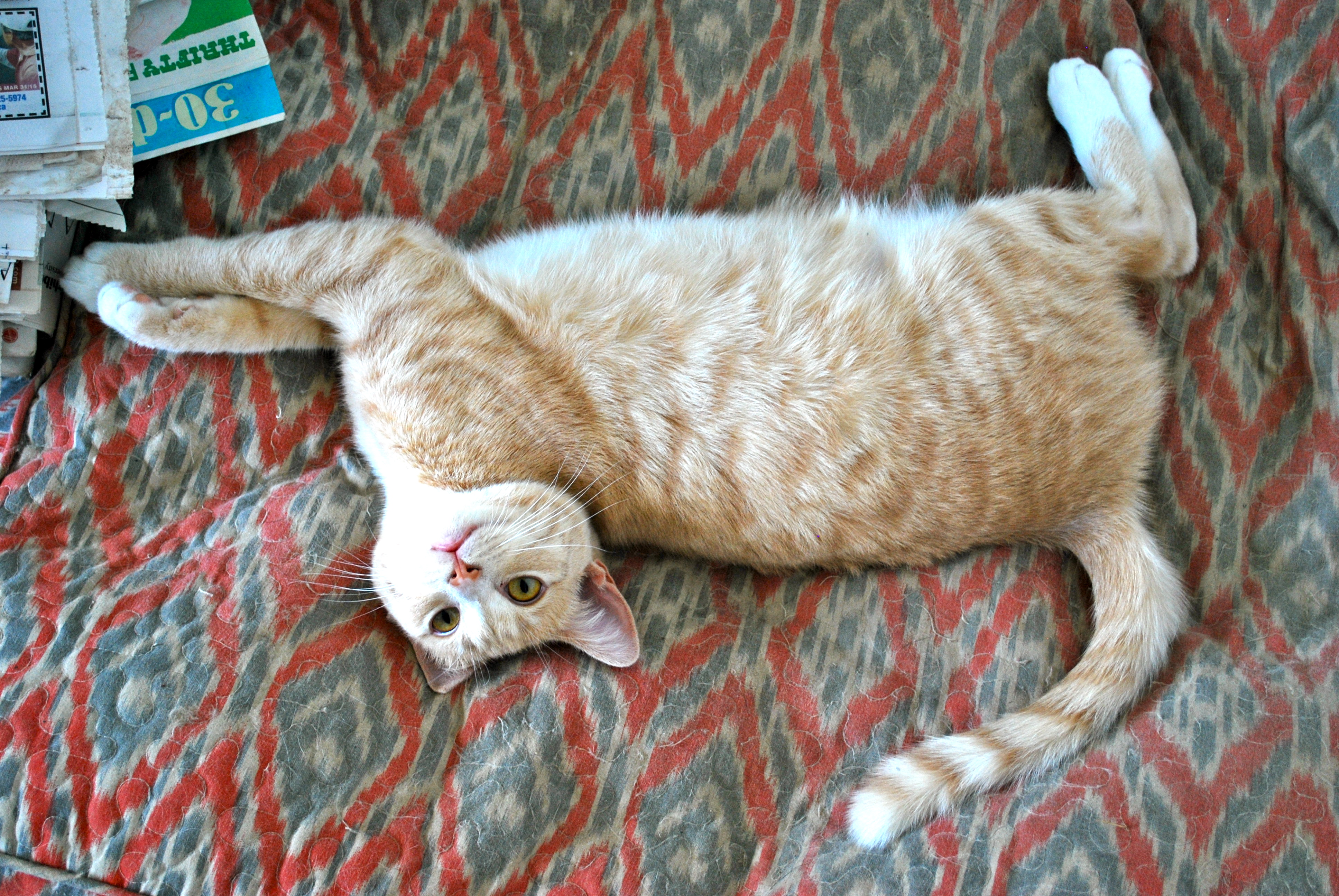
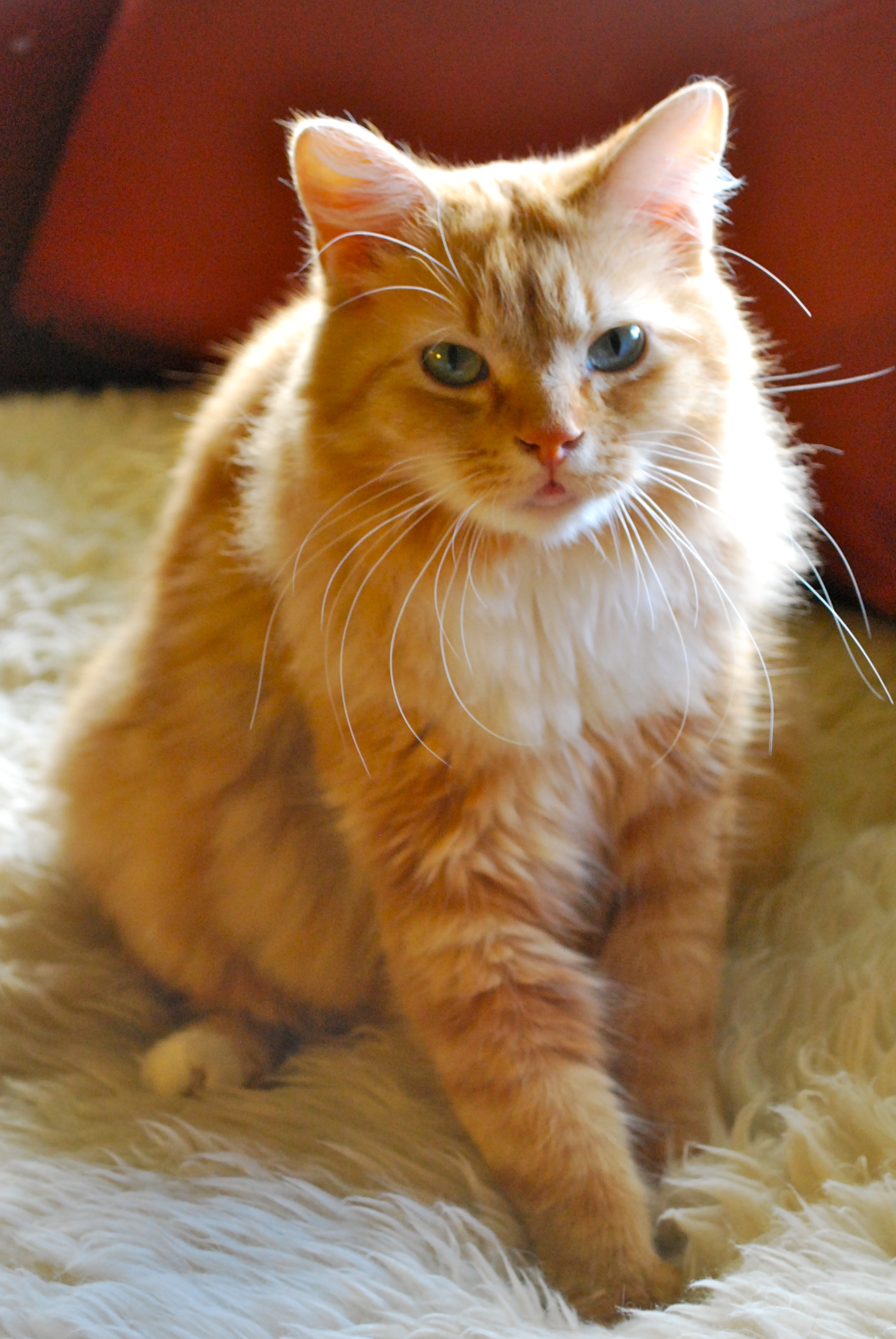
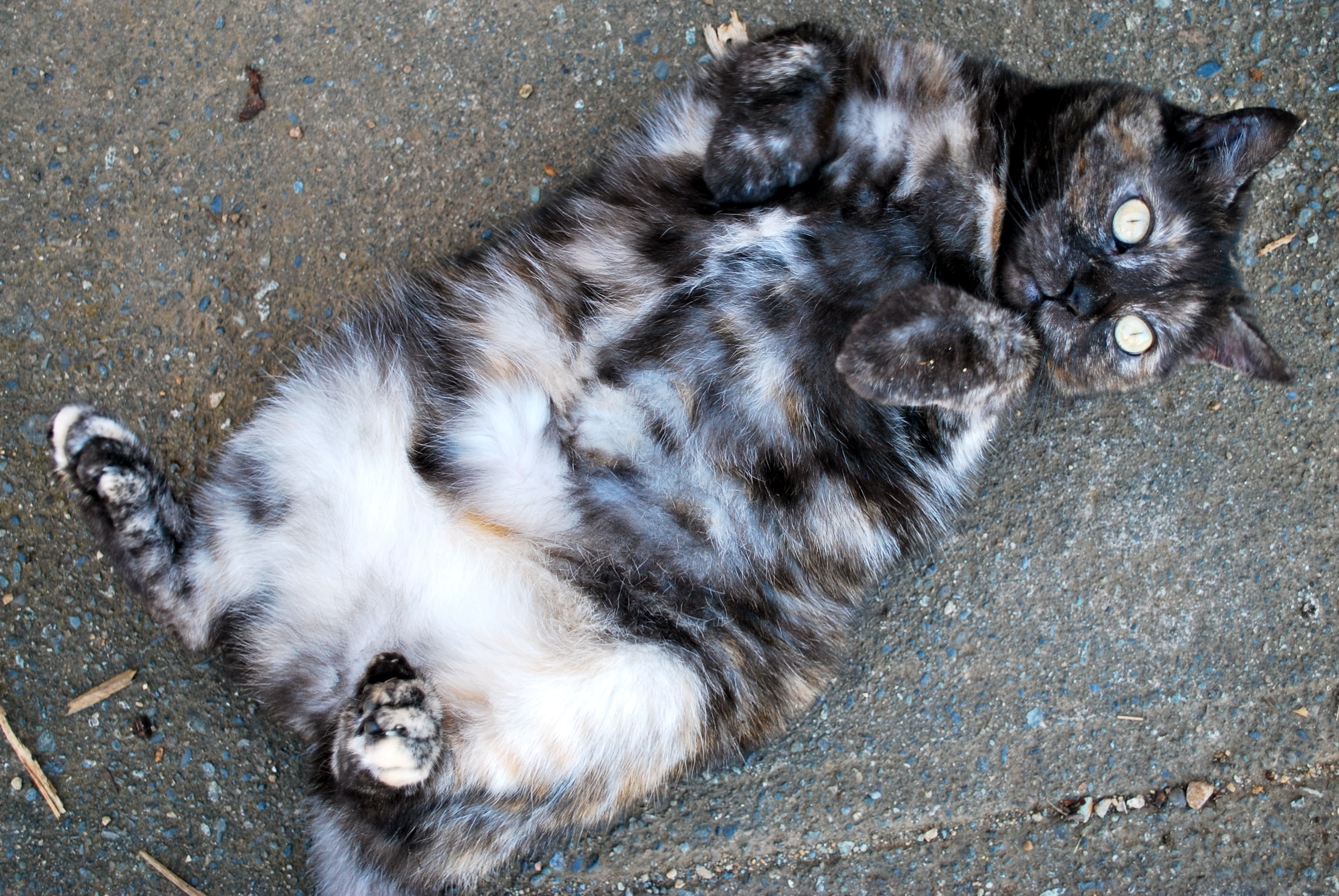
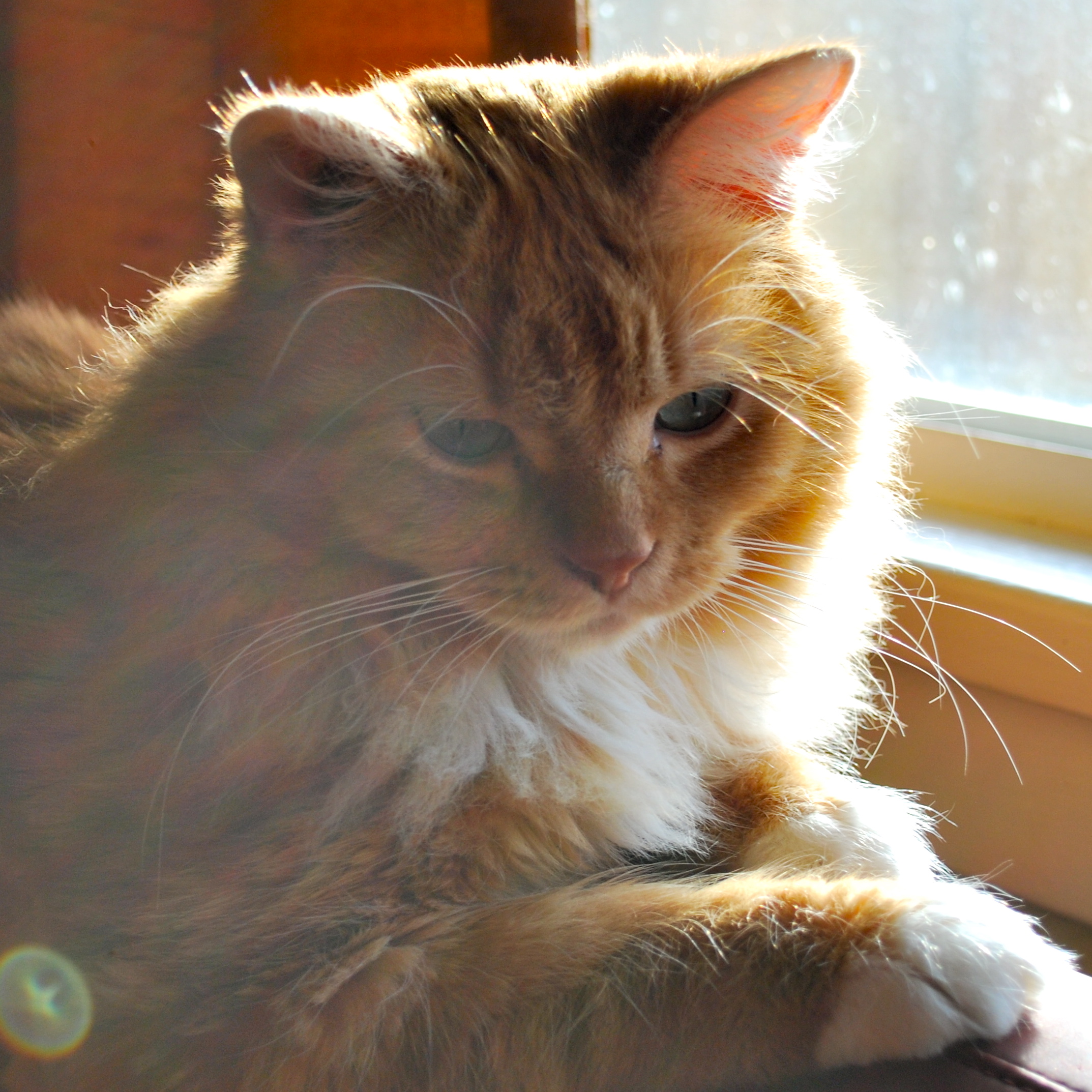
DSC_0034I love my boys. The two kittens, Jeffie and Fluffy One, are almost a year old now. They are a constant source of joy for me and are always by my side. Fluffy One will start up a meowing fit if there is ever a door between us, and can basically jump about five feet into the air if he sees a bug. He is strange little cat, and insists on eating all my cucumber peelings when I make a salad. He gets excited when I call him for his “green spaghetti”. If I forget to give them to him in a bowl he will sneak on the counter and eat them when I’m not looking.

DSC_0025DSC_0027Jeffie sleeps with me every night, and when I wake up and lean on one shoulder to check my iPad, he climbs up and lies down on the other one with his paws hanging down, touching my cheek. If I have been playing too long he will come down and try to eat my fingers. I will also get my fingers eaten if I have been typing at my desk too long when I should be playing with him. He doesn’t really meow, instead he just has a high-pitched “meeeeeeee”.

DSC_0033

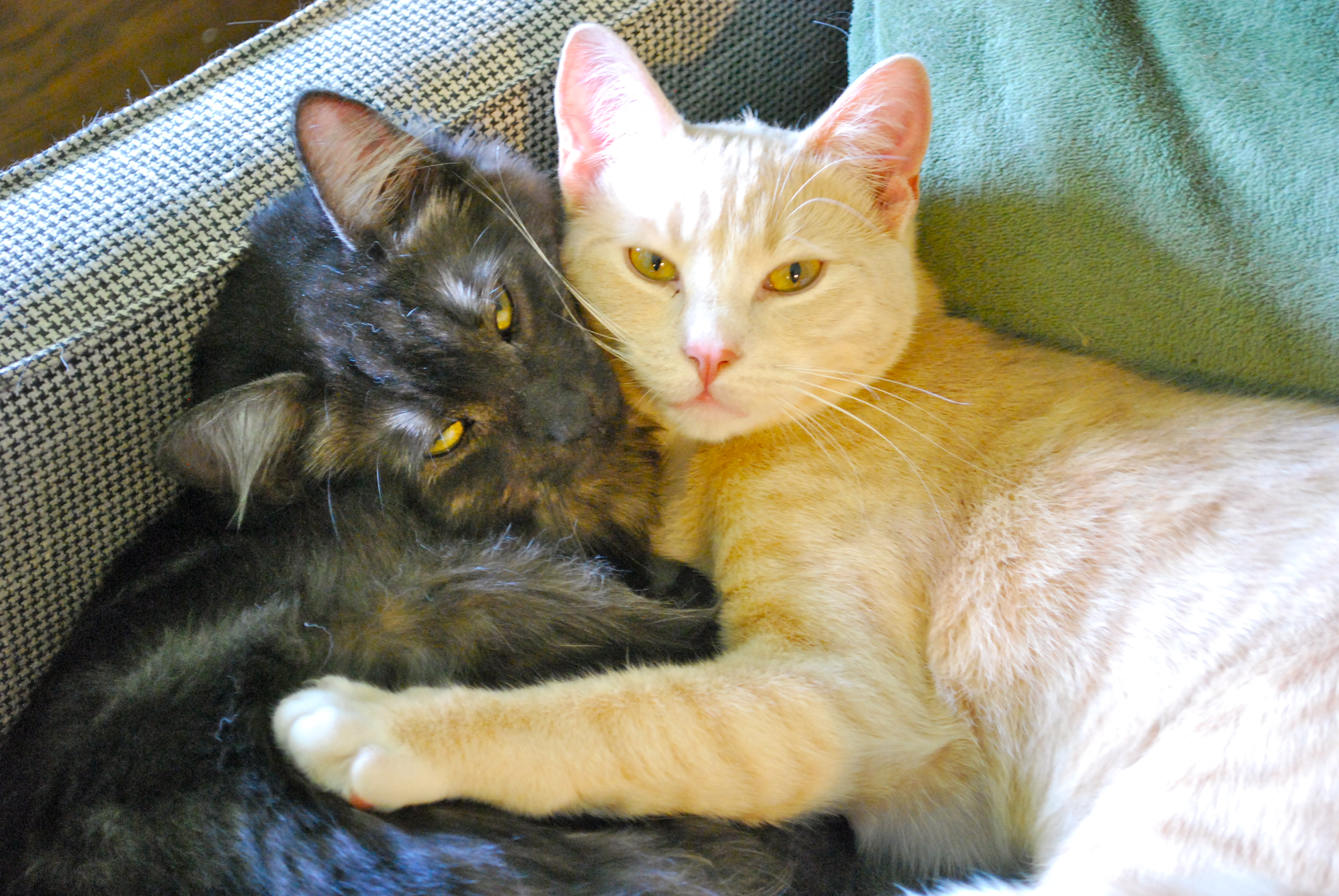
DSC_0030The two brothers love each other very much. Aren’t they sweet?

DSC_0028

Backyard and Container Garden Progress + Cats

DSC_0035

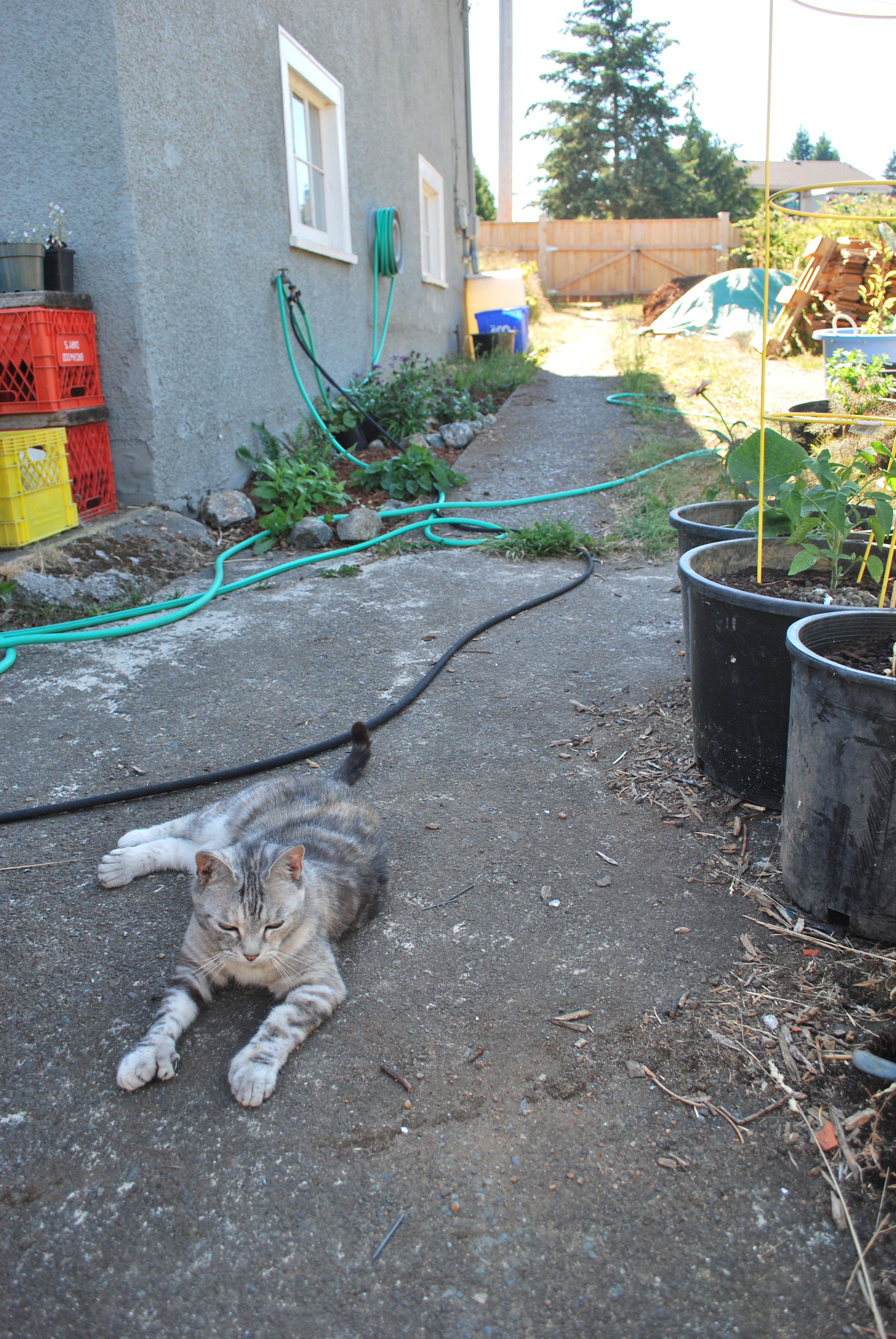
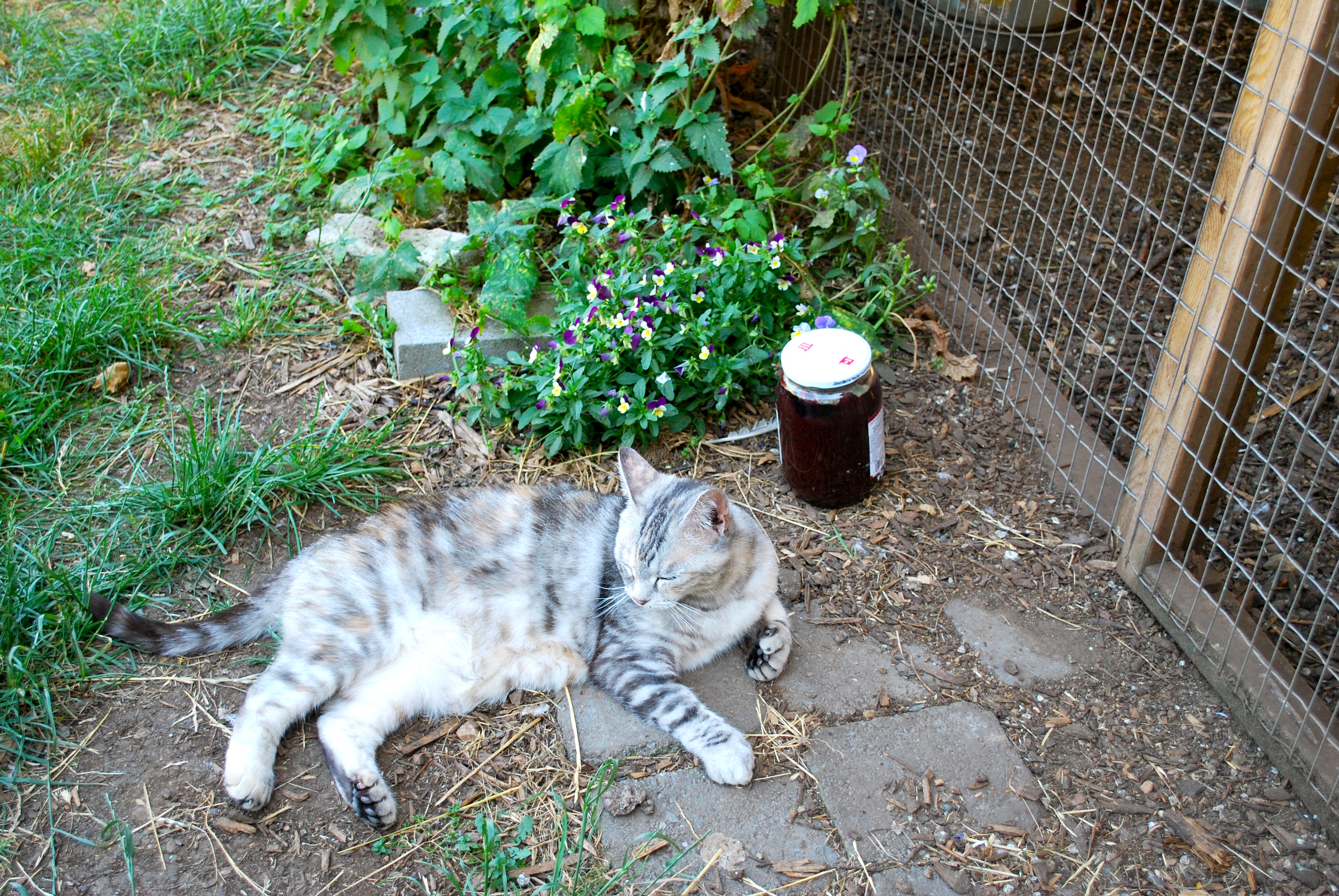
Parsley (the cat) in the container garden

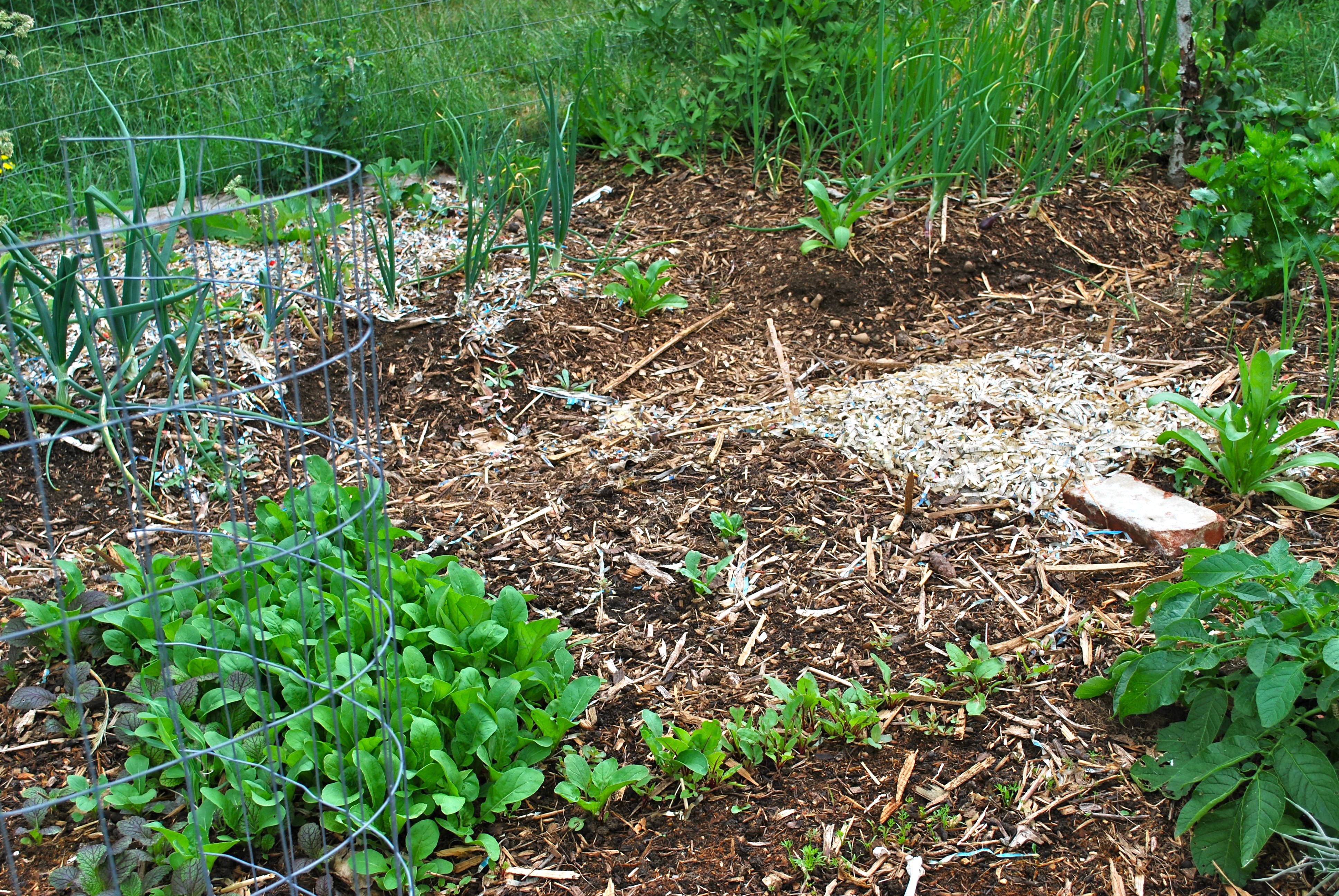
I was a little on edge using the pure organic fish compost I had purchased, unamended in my giant container garden, but so far tests have been positive! You can distinguish it as the very black stuff in the photo above as compared to the lighter material which is my homemade compost. I think potting soil is a bit of a ripoff so I’m looking forward to the results of this experiment.

I was initially worried about drainage, so I added a 4-6 inch layer of homemade compost to the bottom of each pot, since it’s really light and chunky. It’s pretty much a mixture of kitchen and garden waste mixed with wood chips and rabbit and chicken/quail manure aged for about a year. I have two piles going and I alternate between piles; one gets emptied while the other gets filled. I don’t mind using compost that is a little unfinished, or chunky; but sometimes that isn’t ideal for seed starting.

So far I haven’t noticed any problems with compaction or burning or anything with the fish compost and it’s been a week or two since things were planted. I’ll be interested to see how the growth compares to my homegrown compost pots. Those pots have some fresh chicken pen floor as their bottom layer. Pure folly? We shall see.

DSC_0032

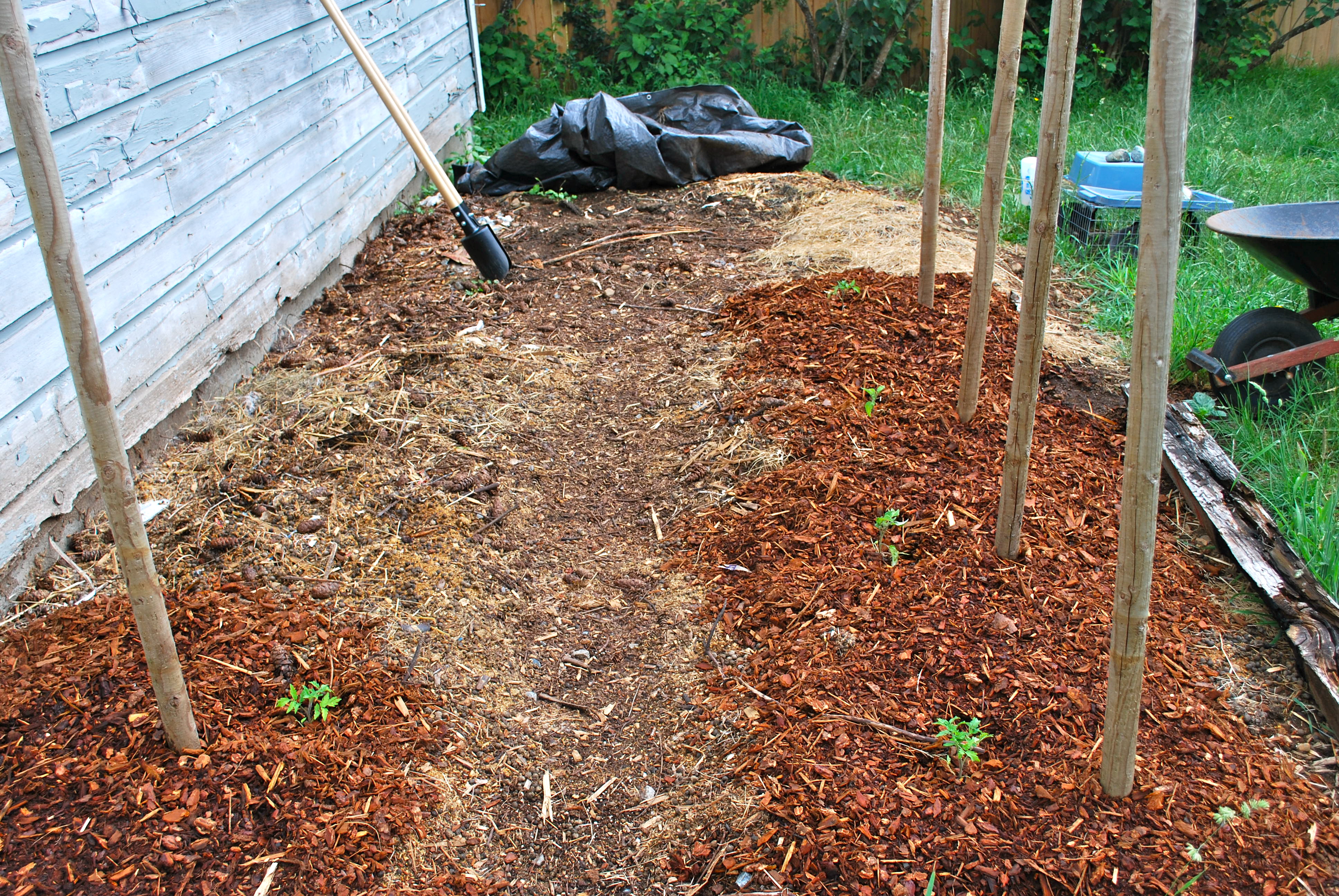
My tomato garden

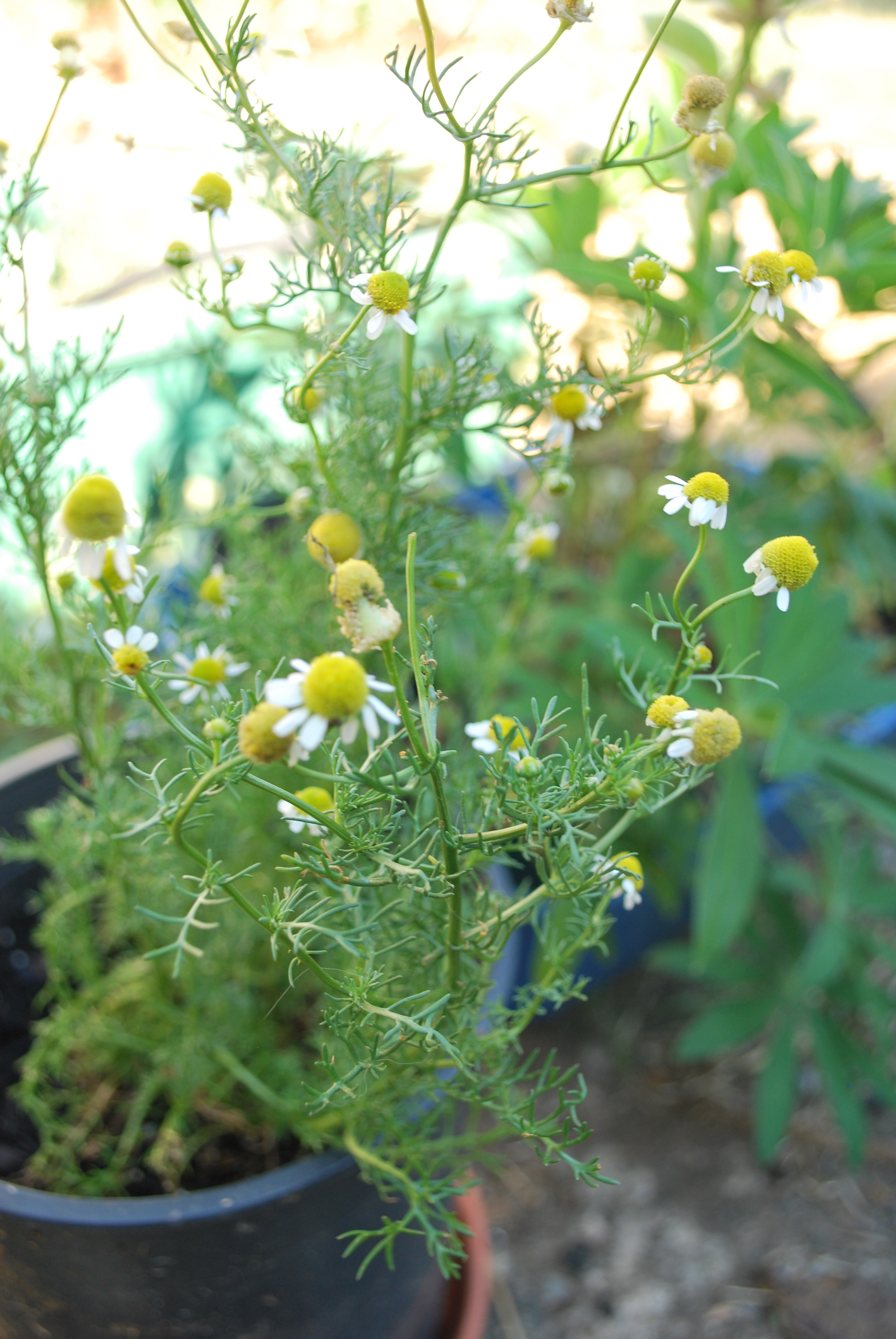
A few tomatoes are in. These are my first attempt at cold sown tomatoes, so I have big expectations of them. Ideally, they should be as vigorous as any volunteer tomato in the compost pile. I will have a few in the ground and a few in pots. Maybe a total of about 15 plants. It’s a good thing I restricted myself this year because inevitably I found another tomato plant I wanted at the farmer’s market. It is a Striped German and is reported to taste like candy. I also picked up some Moroccan Tea Mint, Chamomile and a Mouse Melon plant. Not to mention a giant Black Bamboo and Sunset Glow Bamboo which will be used for privacy hedges.

I recently got out my shiny, beautiful, All American Pressure Canner to can some rabbit meat and I’m raring to go on the tomatoes, once they arrive. Tomatoes are one of my favorite things to can, they taste so good. There are a few flowers already, so here’s hoping for a bountiful harvest this year. I plan to try to keep suckers pruned and keep things tidy.

DSC_0031My arugula, started from seeds I collected last year, is growing like crazy. It’s ready for harvest after just a week or two. I’m glad these were the seeds I brought to the swap this year, I love imagining other beautiful plots of arugula all over the island. My red and yellow onions are getting big and my leeks no longer look like invisible blades of grass. Beets and carrots are coming in, although some creature (slug) has been helping themselves to part of the rows. Volunteer potatoes are huge already and calendulas are threatening to bloom. The yacon is bursting out of its pot and there are jalapenos and eggplants sprouting. It’s going to be a busy month!

DSC_0033

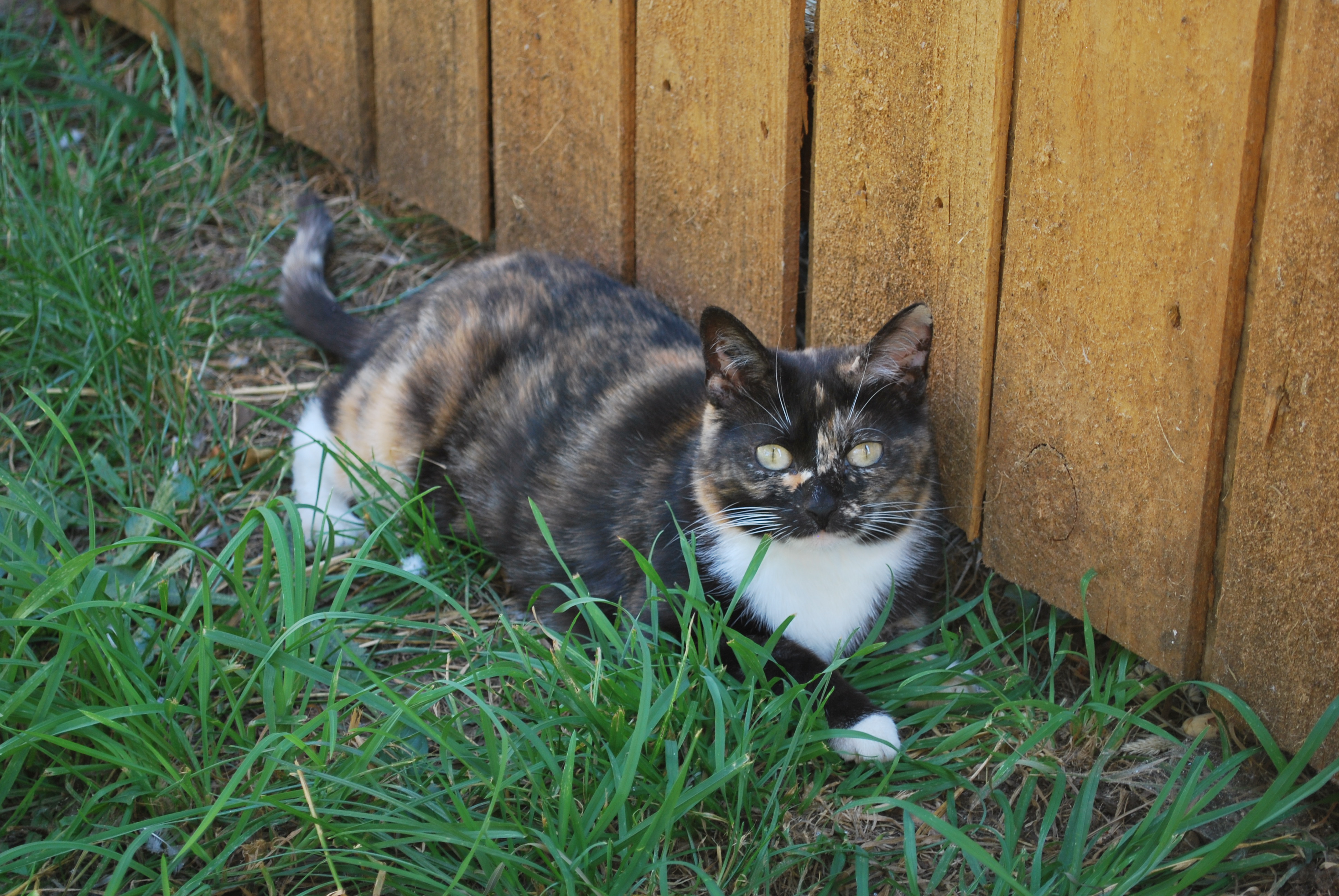
Mushrooms (the cat) in the container garden

Youngest Rex Litter Ready to Go

DSC_0032

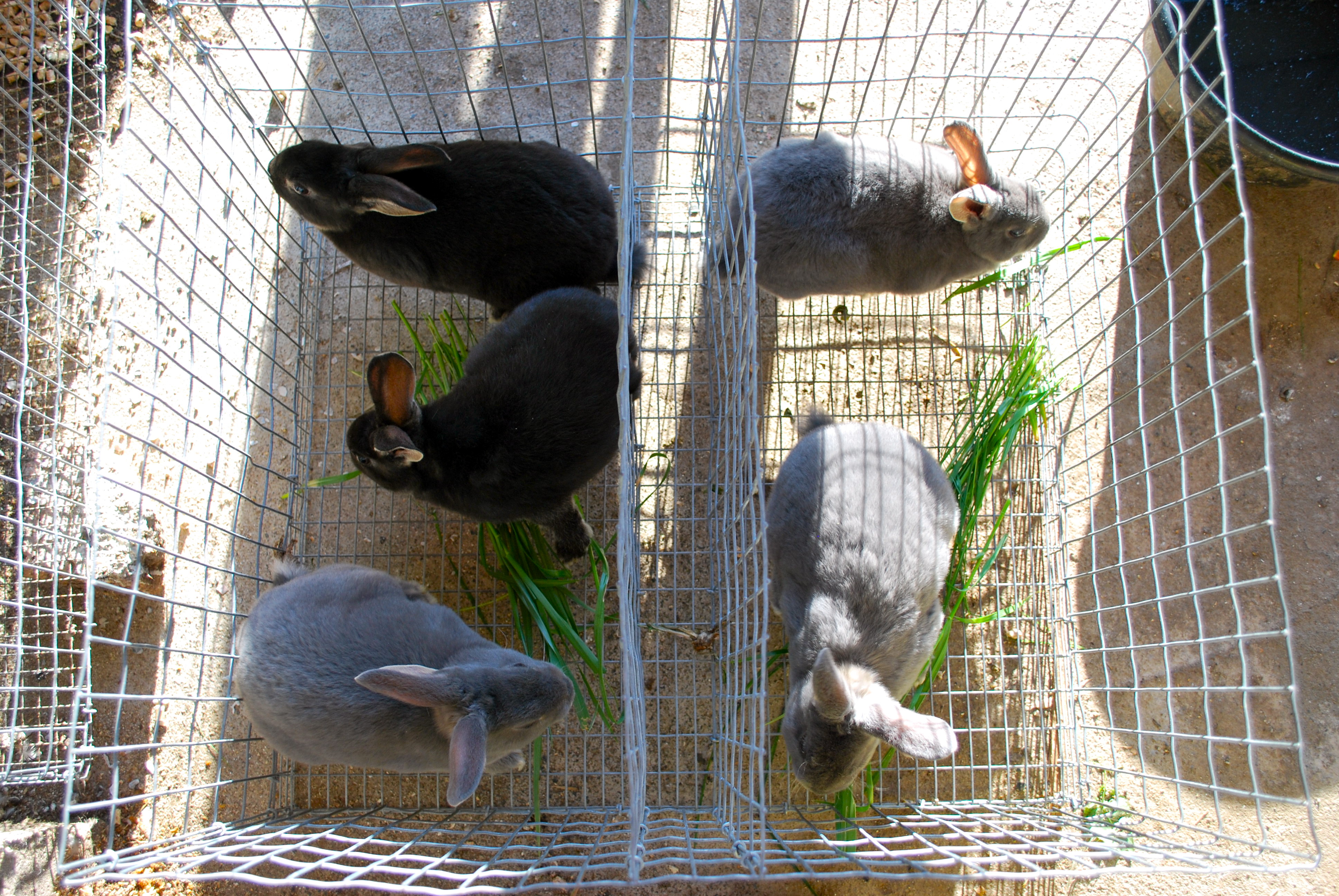
Bucks on the left, does on the right

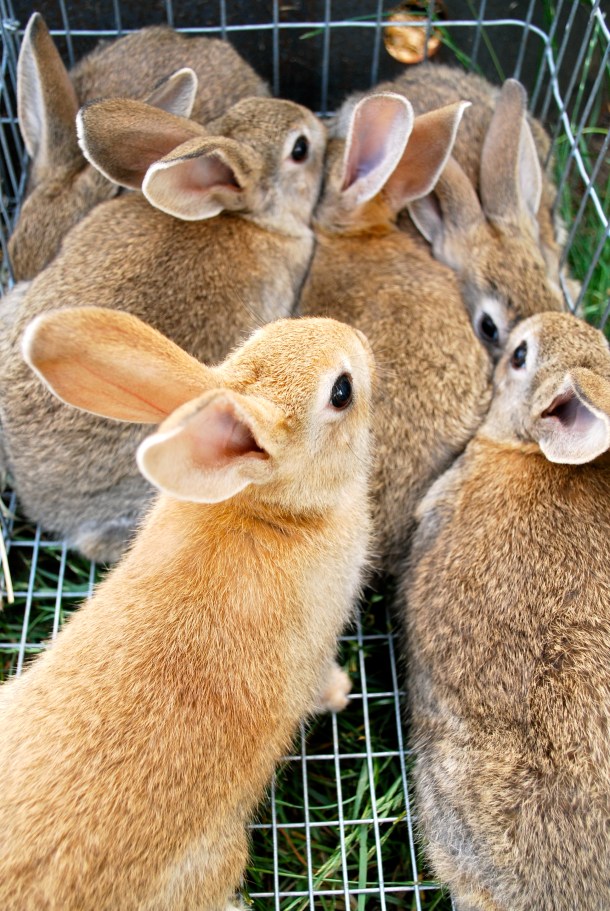
Bluefin’s kits are now six weeks old and ready to go to new homes. I checked them today and there are two blue otter does, one blue otter buck and two black otter bucks. The tort doe has been reserved. Bucks are $25, and does are $30.

These little guys are forage fiends and I probably fill their cage with fresh grasses three times during the hour span of my daily barn chores, they just can’t get enough.

Sometimes with the adult rabbits, I’ll put an additional pile of greens on top of their cages for them to pull down and eat at their leisure. Apparently Mushrooms thought I was preparing a nice cool bed for her and settled in for a nap on top of Scorch’s abode.

DSC_0030

Why I Wean Rabbits at Six Weeks

kits 5 wks

These are five week old kits, still a week away from weaning

Nothing annoys me more than people selling young animals before they are ready to leave their mothers. I have personal experience with cats and kittens and I think knowing what I do now, I wouldn’t let a kitten go to a new home before 14 weeks of age. I find that at this age, they gain a lot of confidence and start seeking their independence, so are much more at ease adapting to a new environment. I would never, ever wean a poor little kitten at six weeks, and I think this is a very cruel thing. I know the litter of kittens that I recently raised were still nursing well into 16 weeks and getting a lot of comfort from it. (Note: I do not breed cats and I do not ever plan to. There are enough unwanted cats in the world. I’m talking about an abandoned litter I took in last summer.)

The second most annoying thing is people who think that rabbits cannot be weaned and sent to new homes at six weeks of age.

Rabbits are not cats, they are prey animals. In the wild, a baby rabbit would be lucky to get three weeks with their moms, for various natural reasons. I know from personal experience breeding rabbits, that mother buns dislike nursing and will generally refuse to nurse at about the four week point. By this time the kits are all happily eating everything mom does, and generally have been for at least a week. They need no further tutelage in how to be a rabbit. They do not gain comfort from their annoying siblings bouncing around in their faces. They are fully ready to go out and claim their new rabbit territory. Rabbit survival instructions: See something scary? Run!

I have never had an issue separating babies from moms at six weeks. I don’t have any problems with them going to new homes at this age, and I have zero problems with so-called “sensitive stomach” issues that people seem to associate so often with young rabbits.

I raise my rabbits to not have sensitive stomach issues. My rabbits are always fed a variety of fresh greens from the time their mothers are pregnant, up until the day they are sold or butchered. They eat safe greens like grass, dandelions, plantain and blackberry bramble. You cannot give them too much of these. They also have all the rabbit pellets they can put away and unlimited fresh water.

I used to offer a bag of transition food with my buns, but I don’t find it’s really required. Unless you’re not very informed about rabbit nutrition and you choose to feed a diet of candy-colored seeds, banana chips, carrots and raisins, the rabbit you purchase from me will be just fine. The proper diet for a rabbit is boring old rabbit pellets, grass, hay and weeds. Vegetables or fruits, unless the rabbit is used to them, should be an occasional treat. Grains like oats, black oil sunflower seed, barley or whole corn can also be fed sparingly; or you can go with a fresh fodder system.

Another reason to wean at six weeks, especially if going to a pet home, is that this gives you added opportunity to bond and make friends with your new baby. You will find they will warm up to you very quickly at this age.

I know a lot of people have very strong bonds with their pet rabbits. I also know that coddling rabbits will give them issues just as surely as dirty living conditions will. If your little bunny eats a perfectly measured out, washed, organic salad four times a day for his whole life, that rabbit’s system and gut bacteria have been trained to deal with this routine. If one day he gets into the garden and eats himself silly, he may end up with very bad stomach problems. The same goes for a breeder who feeds nothing but one kind of rabbit pellet and nothing else. Of course a rabbit raised like this needs to be acclimated slowly to greens or different pellets, just for safety’s sake.

I have been given a lot of advice pertaining to raising rabbits, and I followed much of it without knowing why. Things like providing transition food and medicating every three months for coccidia. Then I began doing things my own way. And it worked a whole lot better. My rabbits do not get coccidia or parasites, they do not get heat stress, they do not get sore hocks, they do not get upset stomachs and die, they do not keel over from heart attacks when the dogs run by and they do not randomly turn up dead.

One provider of much useless advice was a local rabbit breeder who I had freely given a pair of Silver Marten kits to, to thank her for loaning me a pair of her rabbits. A few months later when I inquired how they were doing, I was told they had both died. What? All their siblings were doing just fine. They weren’t the first rabbits in her care to mysteriously die… According to her, sometimes waves of illness would sweep through her rabbitry, obliterating entire breeds. She blamed the feed store and the breeds. Odd. No wonder she was medicating every three months. I haven’t medicated my rabbits in a year and a half.

So there you have it. Buy a baby rabbit from me and you have the healthiest, most robust bunny that I can possibly provide you. Bunnies doesn’t need to be with their mom for eight weeks any more than a mouse does. How you feed and take care of your bunny after you get it home is now completely up to you. Do some research and keep your bunny in the same great health they arrived in.

Thanks for reading!

Welcome Home Kitty Committee

DSC_0031

Jeffie, AKA Jeffrey, Jeppie, Jip, Jippidy, Jippie

One of the best parts about returning home from a trip is being welcomed back by the cats.

DSC_0035

Fluffy One, AKA Raoul

DSC_0033

Fred, AKA Frey-Frey, Friend

DSC_0110

Mushrooms, AKA Shoo Shoo, Musharoo, Mushashoo

Not pictured is Parsley, AKA Pickles, Parsley-Puss, Paws; and Norma, AKA Bun, Bun-Bun, Norma-Bun. These two were much more interested in rat patrol after 48 hours stuck inside than posing for photos. Hard working girls!

Fred is Sick Again – Naturally Treating Cystitis in Cats

DSC_0029After just one time sneaking into the kibble, Fred is sick again. I first noticed while I was in the bathroom a few mornings ago and he got into the bathtub, squatted over the drain and had a little pee. Trying to tell me something Fred? Then he was back to doing the litterbox shuffle, going back and forth from box to box, voiding just a few drops of urine each time.

I wasn’t looking forward to another $200 vet treatment, which last time basically consisted of a shot of antibiotics and a prescription for snake oil special cat food. I decided to do a little more research into natural treatments to see if I could manage his condition myself. A few hours of research later and I decided to try cranberry and goldenseal.

I know from personal experience that pure unsweetened cranberry juice will knock out a urinary tract infection in short order. Fred might not have a UTI, but he is having bladder issues and does have struvite crystals. I was hoping cranberry would help acidify his urine and hopefully dissolve them. Goldenseal was recommended as an antibiotic that helps alleviate infection and inflammatory conditions. Both had been okayed as safe for cats by multiple sources.

DSC_0032I gave Fred a full capsule of cranberry extract in the morning, then a full capsule of goldenseal in the evening, just so his body could process the supplements properly without overloading him with both at once. He is such a good boy and lets me pill him easily. The next morning, he still seemed to be having difficulties passing urine, but was showing no signs of pain or discomfort. He got his cranberry pill in the morning and goldenseal pill in the evening once more. He was in good spirits all day and raced all over the house with the kittens, playing up a storm.

Since he still seemed blocked, I decided to try something new. I had also read many positive reports of people treating cystitis in cats with apple cider vinegar. I know that at any sign of sickness in my rabbits or birds, the first thing I do is put ACV in their water. So far, in two years, this along with good hygiene has cured everything from baby bunnies with no appetite, to quail with bumblefoot.

I chose to mix a tablespoon of ACV with a tablespoon of water, and administer about 2ml by mouth using a small plastic syringe designed for medicating cats. I did this about 3-4 times a day for the next three days and also stopped the herbal pills. Guess what, today Fred is peeing normally!

So I’m hoping we have a natural solution here. Fred must stay on a strictly canned/raw diet. No more kibble for Fred, ever. If he develops problems peeing, I can give him apple cider vinegar and water orally. He doesn’t seem to mind the flavor too much.

I feel if I put ACV in the communal water dish that it will prevent all the cats from wanting to drink, so I may start mixing small amounts into their food and seeing how they tolerate that. I believe I’ll put all the boy cats on ACV since cystitis is more prevalent in males.

DSC_0028

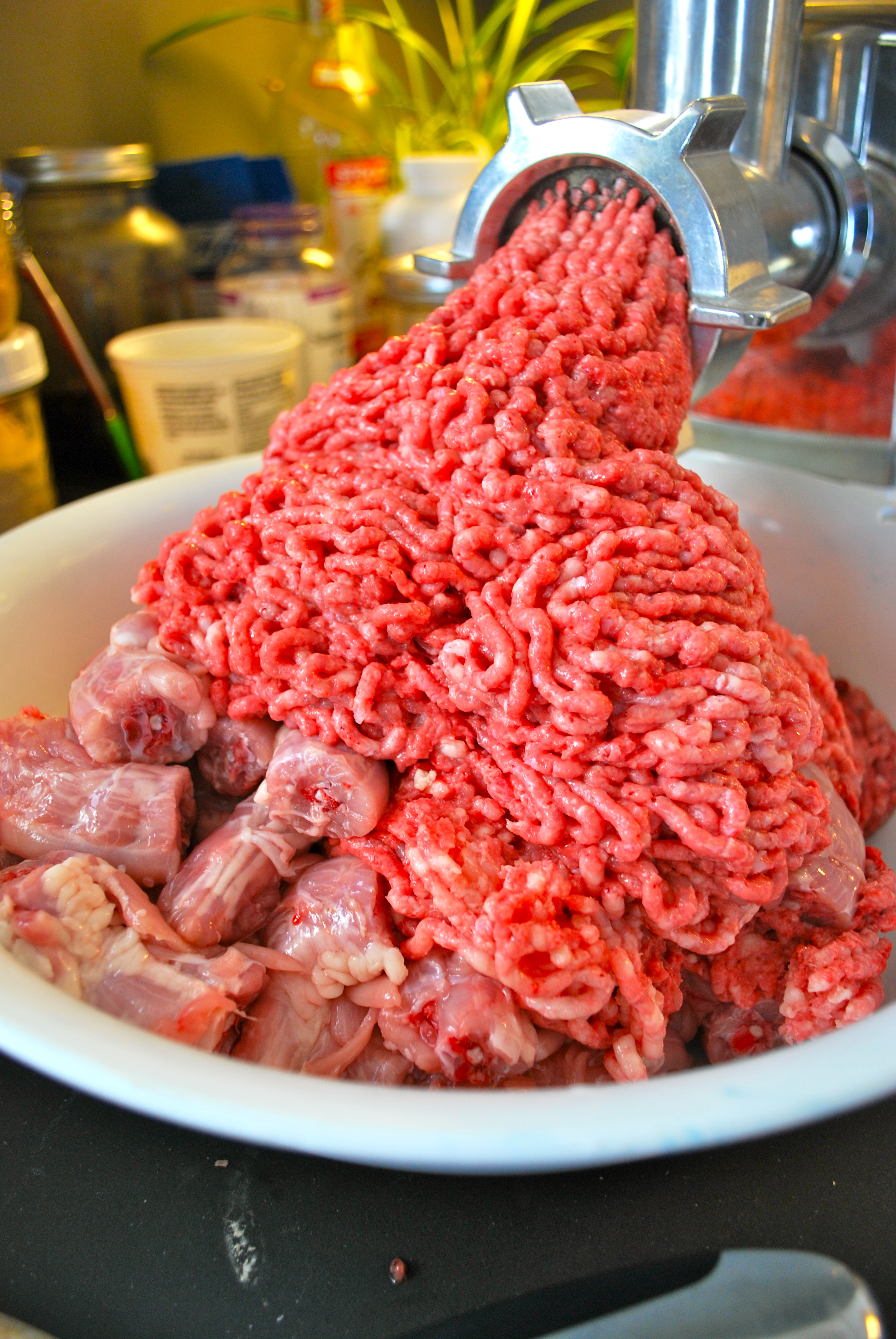
Freshly ground bone-in chicken and necks

During my research I was also interested to learn that male cats with long hair and high stress levels are more prone to cystitis. (Not to mention kibble diets of course.) Fred is far from stressed right now, but he was probably the most stressed cat ever while he was fending for himself as a stray. I know he was panic-stricken when he first showed up. I’ve been keeping him away from the girls so no more fighting has occurred. Here’s to getting things a little more calm and normal around here!

Fred Has to Go

DSC_0031In many ways, Fred is the perfect cat. He’s playful, funny, gorgeous, well-behaved and so friendly and loving. However there is one problem. He thinks it’s fun to scare my girl cats. For the past while, I’ve been keeping Fred and the two kitten boys upstairs and my three girl cats downstairs. This was initially due to my girls beginning to spray and not feeling comfortable when Momma cat and all her kittens were here. This worked well for quite awhile as Fred gets along wonderfully with the two little boys and is their “Uncle Fred”.

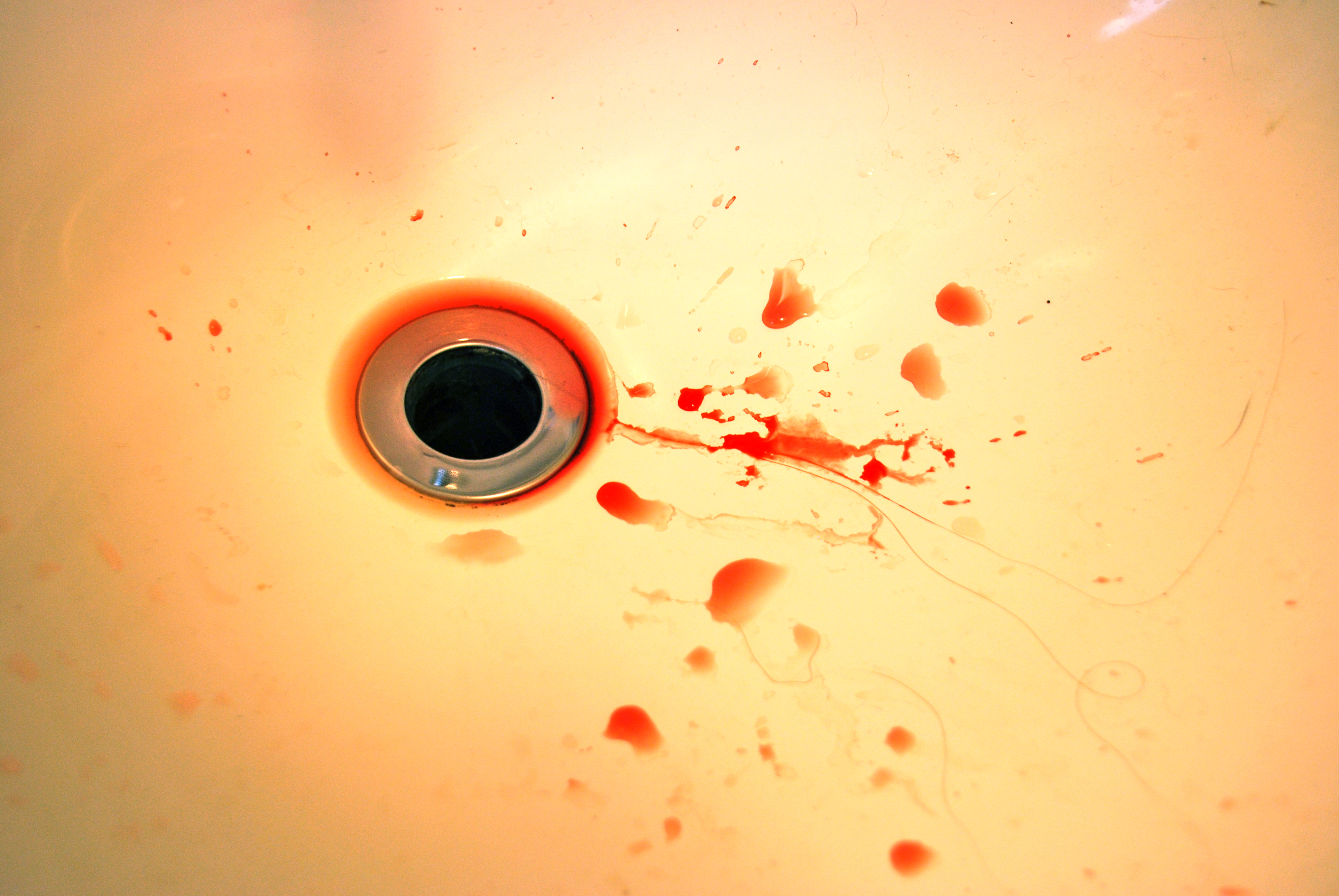
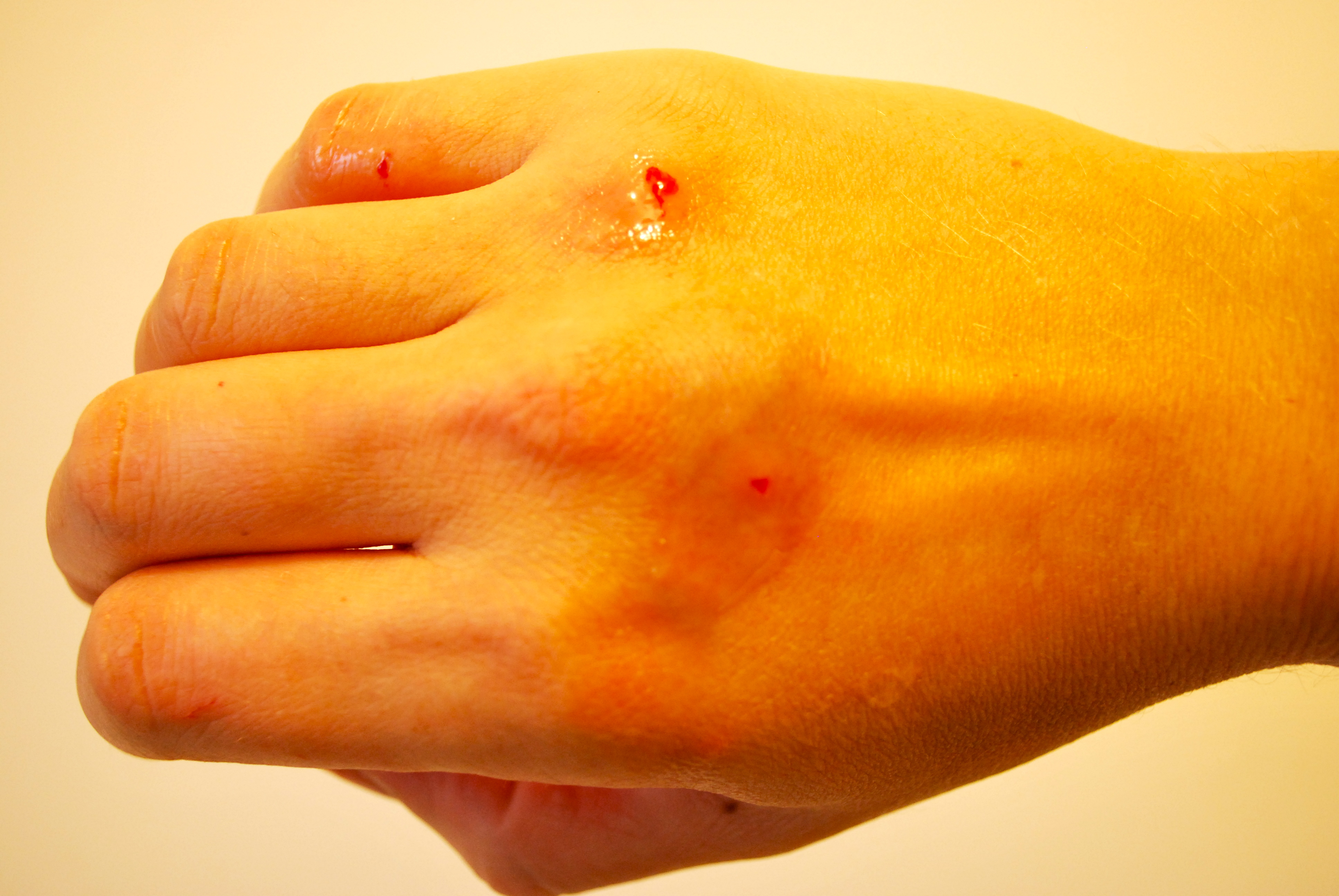
However lately anytime Fred has been able to sneak downstairs or outside he is dead set on terrorizing my girls. Today after doing some laundry I heard cats screaming from the basement and realized Fred was down there. I opened the door and Mushrooms came streaking out and immediately climbed to the top of the cat tree in my spare room, growling like crazy. She had urinated all over herself from fear. I grabbed Fred and tossed him outside. When I went back to pick up Mushrooms and put her back downstairs, she was so afraid that she grabbed my hand and sliced three big holes in, right on the veins. Immediately I screamed and ran for the bathroom with blood pouring out in a trail behind me. I grabbed a towel and pressed it to my hand to stem the blood. Poor Mushrooms was beyond terrified now and I carefully herded her back downstairs to relax. It’s probably the worst cat attack that I’ve ever experienced save for one time as a very young kid. It’s also not like Mushrooms at all.

DSC_0043 DSC_0045

It’s hard for me to make the decision to let Fred go. He came here as a very thin, neglected, abused and dirty stray months back, and I nursed him back to health. He’s in great shape now and unfortunately with health came attitude. I love Fred very much and he is my loyal buddy when I do the farm chores, always inspecting everything I’m doing and waiting patiently at the coop door when I feed the chickens. He often gets called “Friend” instead of Fred. I love how well he plays with the boy kittens and I love his predominantly low maintenance attitude. However, my three girl cats were here first. They are already unhappy enough that two of the kittens still live here, and I am unwilling to put them through being constantly chased and attacked by Fred. Fred needs a new home.

Help a Local Homeless Cat with Ear Cancer

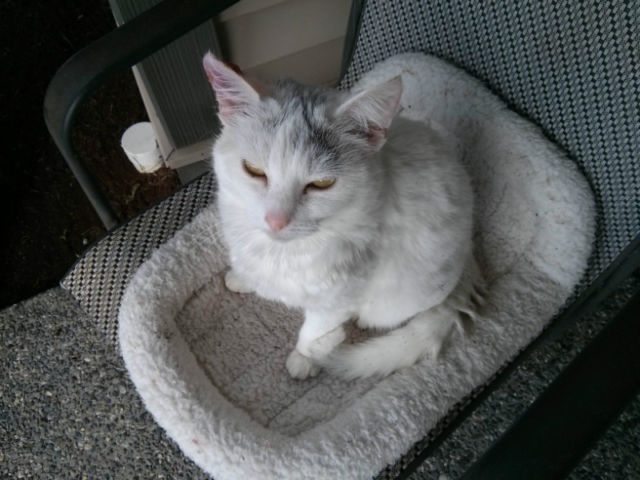
$_27There are a lot of stray cats struggling to get by in the town I live in, and I recently found a post by a local family who are doing their best to support their friendly neighborhood stray, Teddy.

Teddy is a sweet little girl who has developed skin cancer and needs to have her ears amputated. This kind family has decided to take her in and take care of her surgery which will cost upwards of $2000. They’ve started up a fund for Teddy and are grateful for any help.

Please consider making a small donation, as I have, to help this very lucky kitty who is now receiving treatment instead of slowly wasting away on the street like so many. You can follow Teddy’s progress by visiting the link at the bottom. Here is Teddy’s story:

We met Teddy almost 5 years ago. She was a lively neighborhood cat, always friendly and rubbing against you as you were walking by.
She was living in a house but didn’t seem to get along with the other indoors cats so she preferred to stay outdoors where she could have peace and quiet time for herself.

Very independent and yet very loving with humans she was a leader in her area. All the other cats were following her as she was projecting a certain confidence.

But last year, for some reason, she started to lose weight. We did not worry much as we knew she had owners. Then, as winter started to set in, she was hanging more and more by our house to finally ask to come in as she was obviously cold.

Since last winter, we noticed Teddy was losing energy and was also increasingly scratching her ears. Her ears were so red and itchy that one started to bleed and get infected.

A visit at the veterinarian informed us that Teddy had skin cancer and that both her ears had to be surgically removed. Unfortunately the price was excessively high for our budget.

We already have a family and two cats. But we sincerely love that shy yet loving cat. We are ready to give her a home but we would need your help to finance her surgery. It’s the only way to stop the cancer progression and save Teddy’s life.

We thank you in advance for your generosity. Your donation will definitely make a difference.

Nathalie, Teddy and Family

https://fundly.com/help-us-heal-teddy