Rex + Californian = Silver Marten?

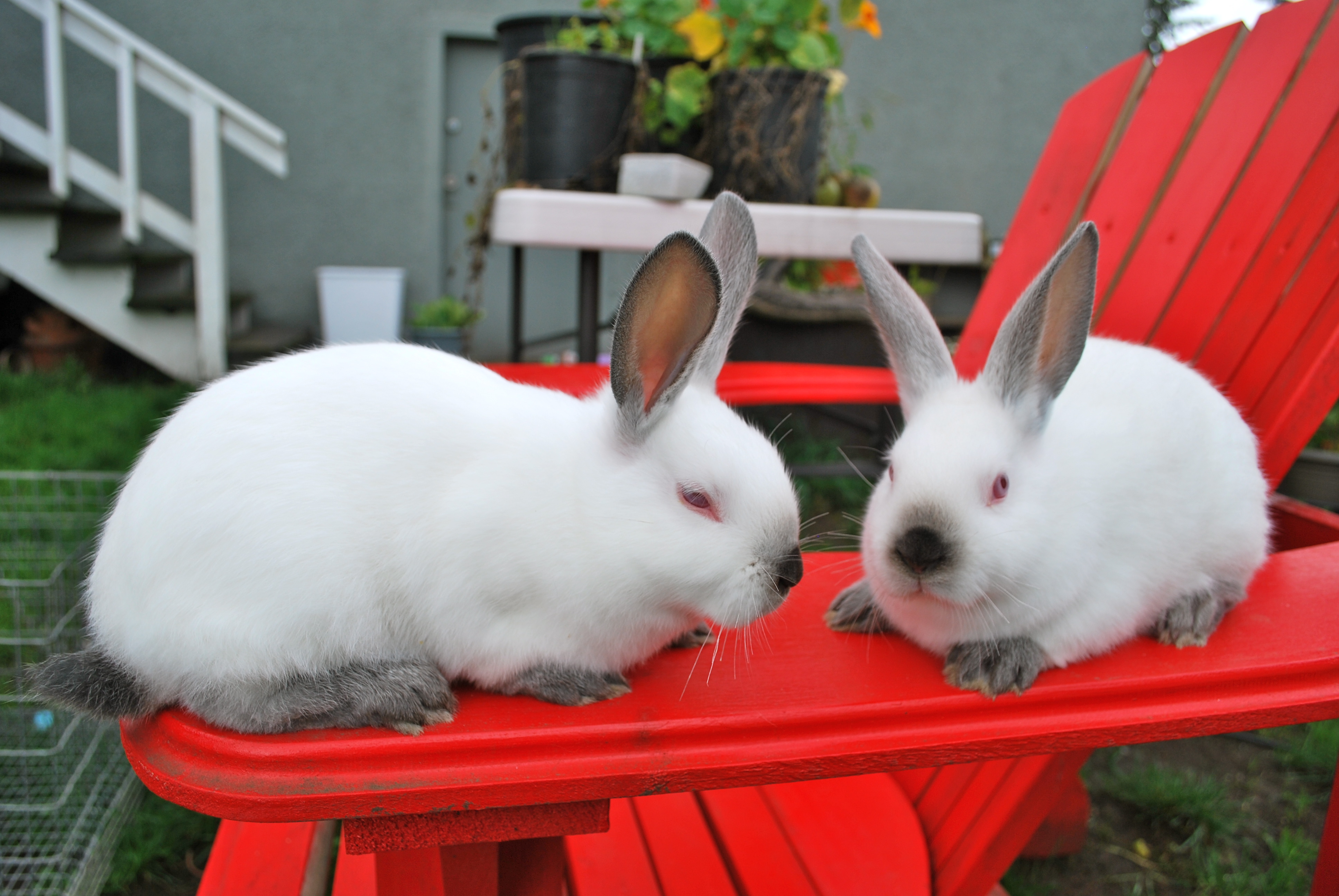
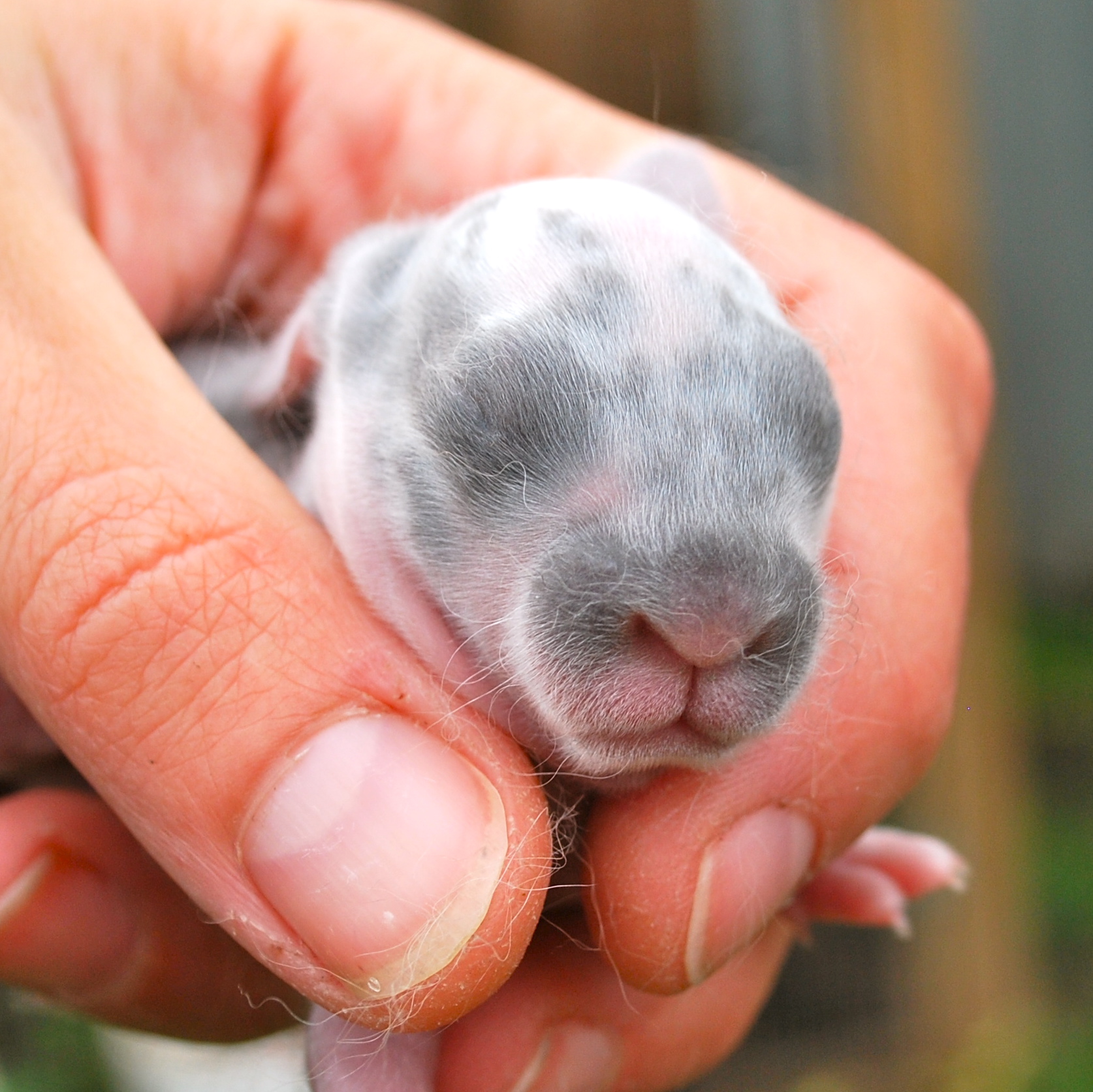
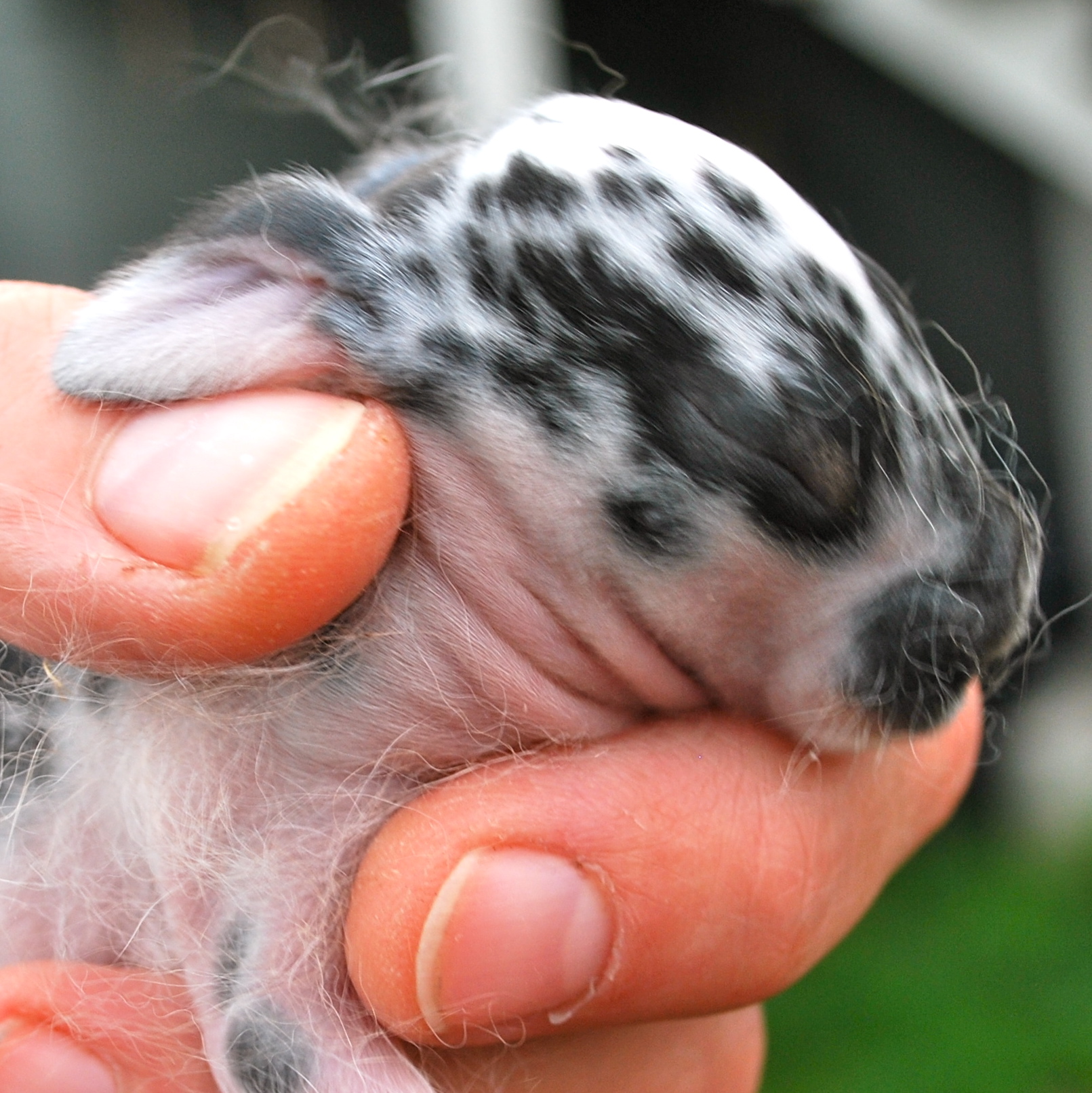
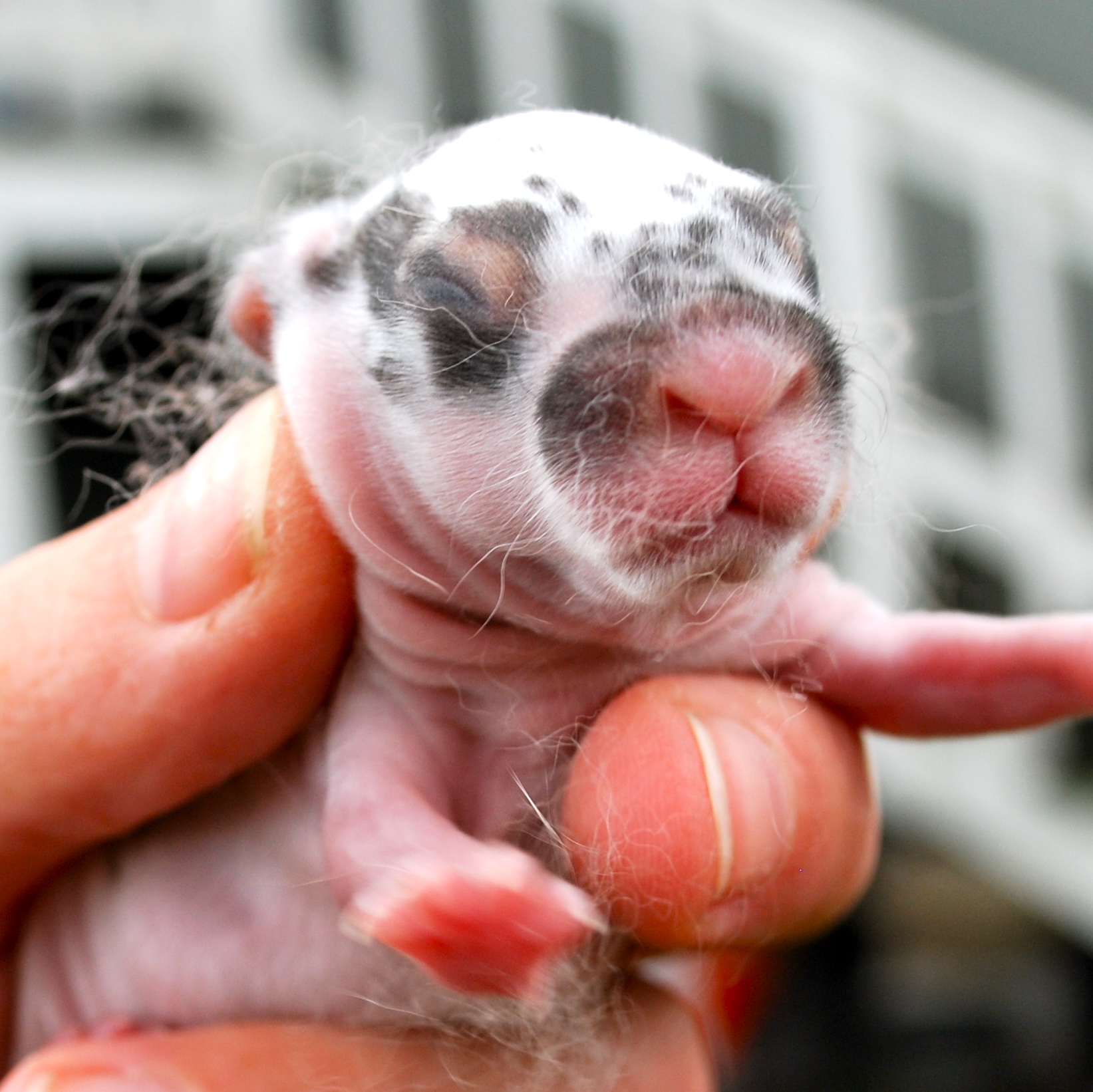
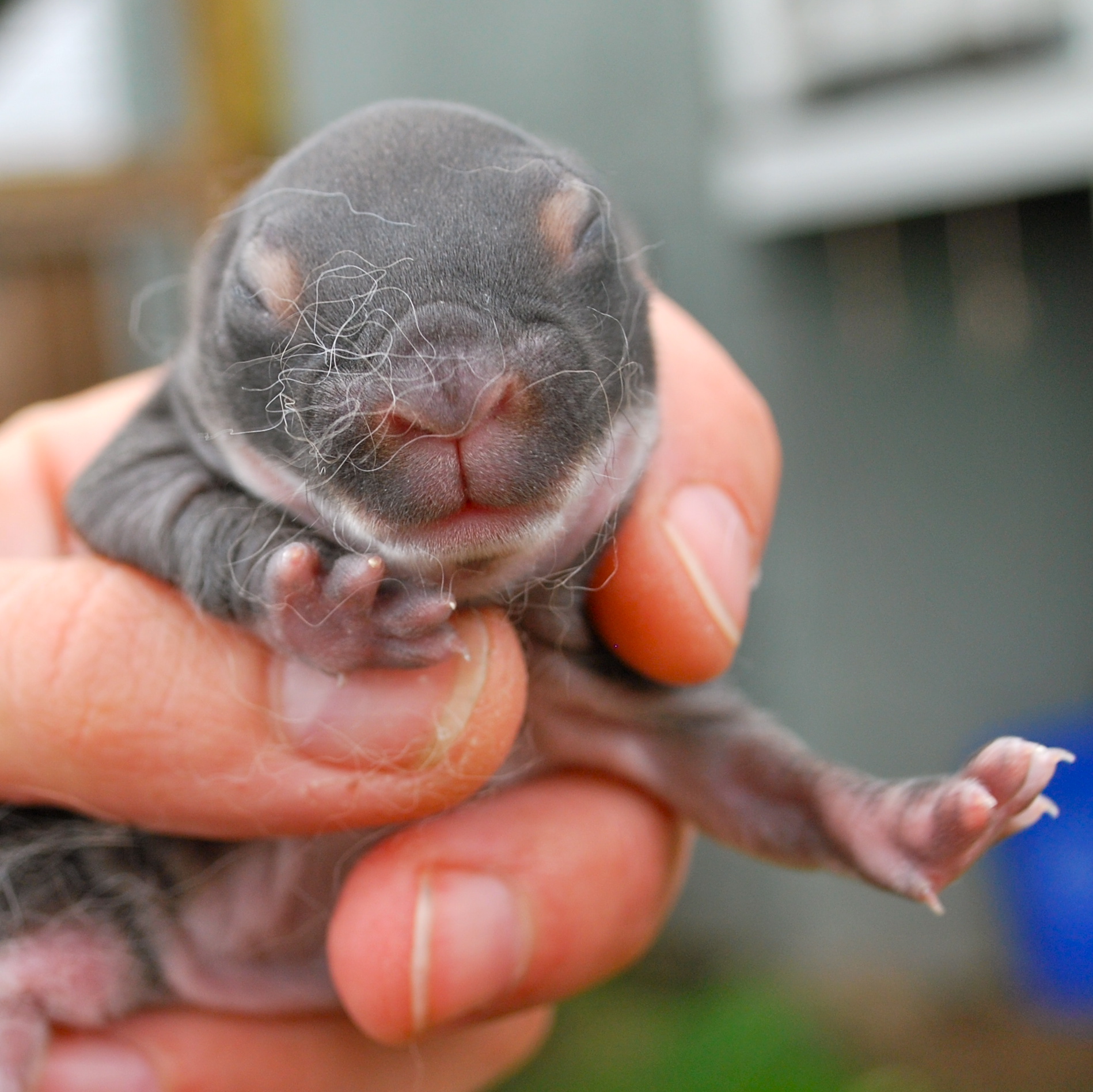
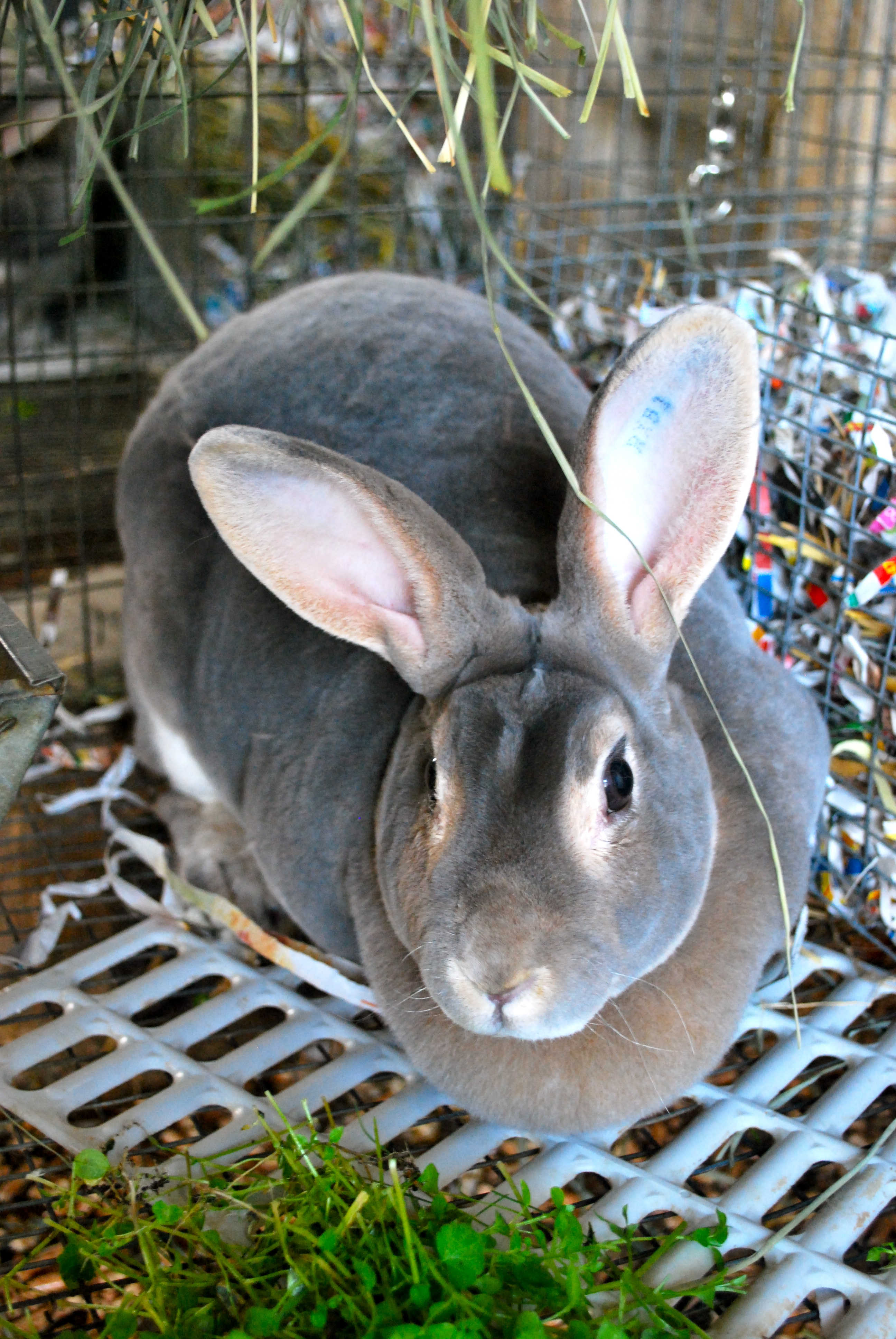
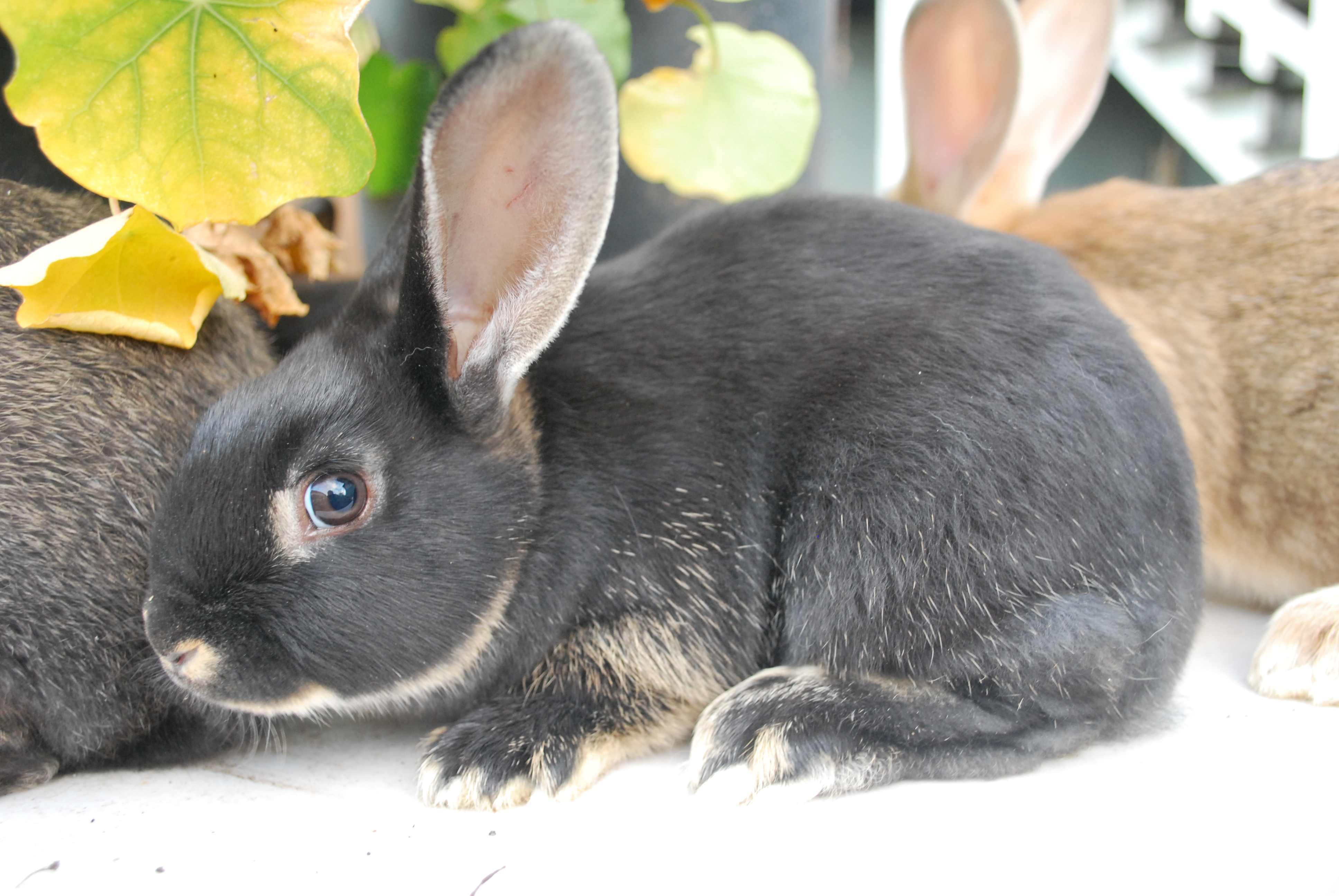
DSC_0072The hybrid babies are ten weeks old now and their color patterns have turned out to be quite interesting. I have about five or six bunnies that look like this. Doesn’t it look a whole lot like a Silver Marten rabbit to you?

DSC_0068The bunny pictured above is a cross between a black otter Standard Rex dam and a pure Californian sire. She has the white eyeliner, belly, tail, nose-shading, neck triangle, inner ears, chin and white ticking, just like a Silver Marten.

If I saw this rabbit at a show, I would think it was a Silver Marten with below average ticking, as it’s supposed to come up over the entire hindquarters. It’s hard to see in the photo but her black fur is also a little bit grayish and not as dark and lustrous as Silver Marten fur should be.

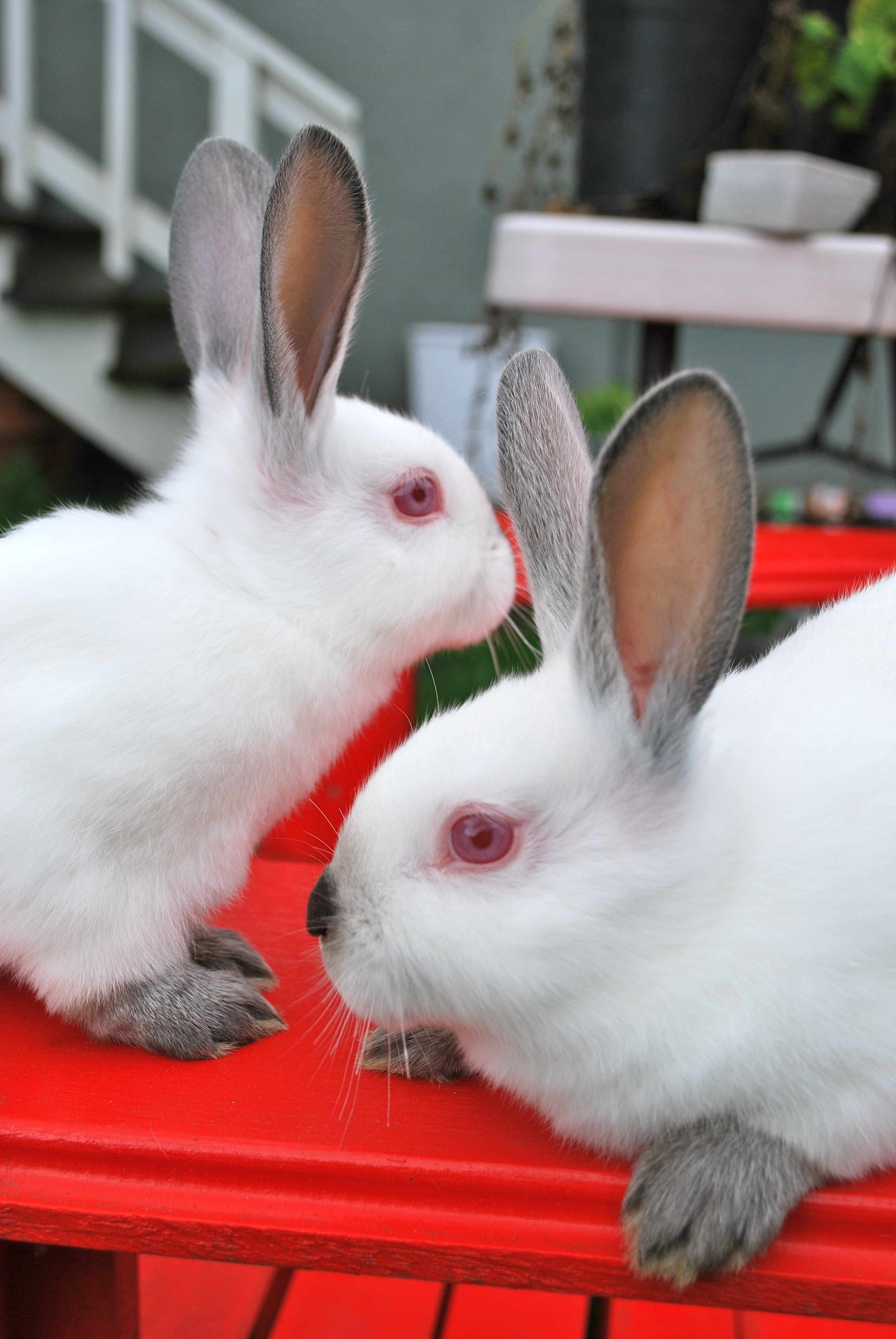
For comparison, here’s a young Silver Marten kit from a couple of years ago before I stopped breeding them:

DSC_0046He’s quite young here, but you can see the basic coloration he has. Some SMs are born with lots of ticking and some with less. I have had kits who only had it go up a few inches, much like the hybrid doe in the first shot.

DSC_0071Back view of her white ticking. It doesn’t go up very far, but it’s there.

It’s interesting to me to think about the origins of rabbit breeds and how they were initially developed. We seem to accept that no new breeds are being created, although I know there are people working on new colors within existing parameters. It’s mostly about ‘perfecting’ the breed you already have.

I wonder what would happen if I took one of these hybrids to a rabbit show and entered it as a Silver Marten. Could I breed my own version of the Silver Marten using totally disparate breeds? It’s an interesting thing to think about.

DSC_0070

End of October Garden

DSC_0100Just wanted to share a few photos I took in the garden today.

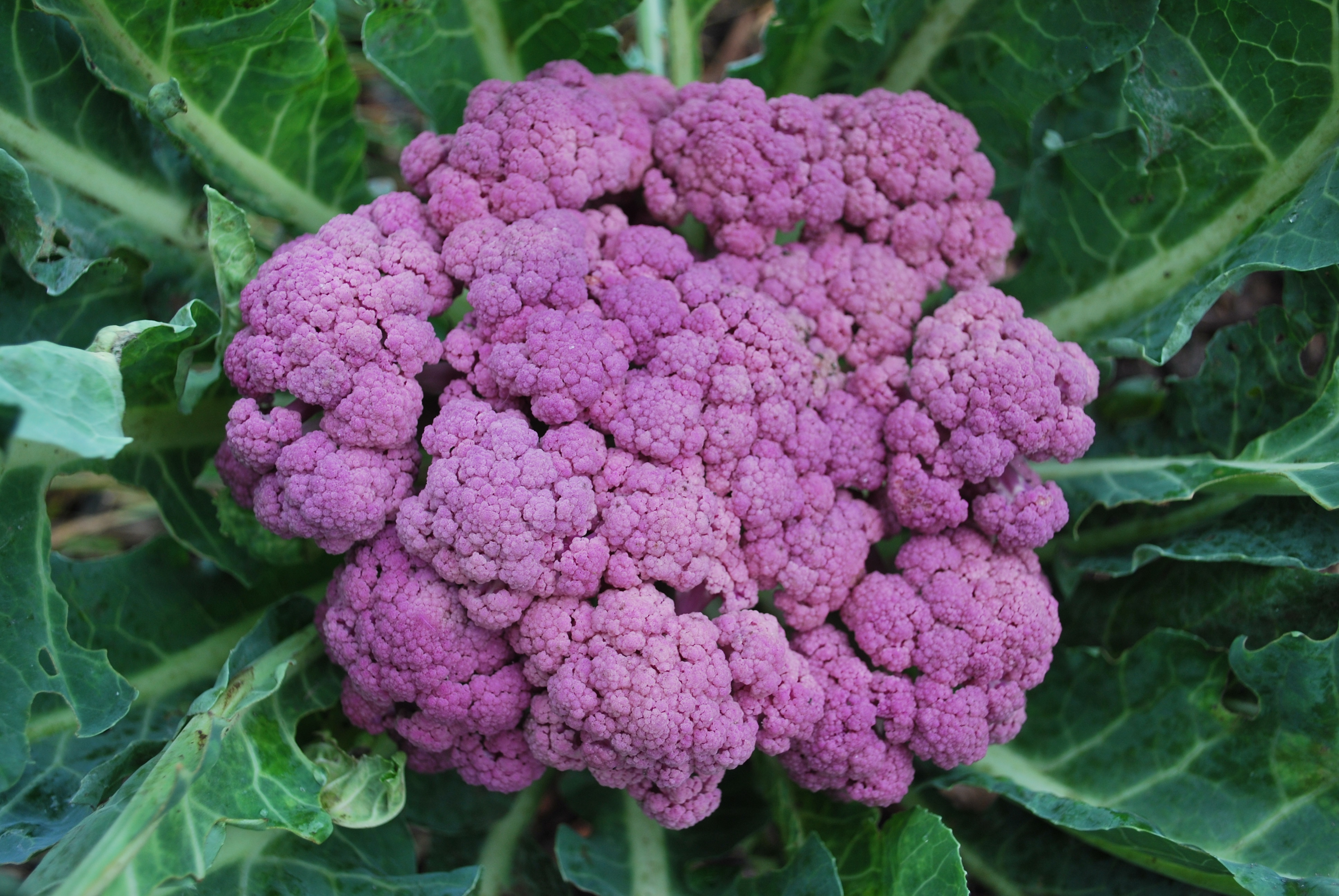
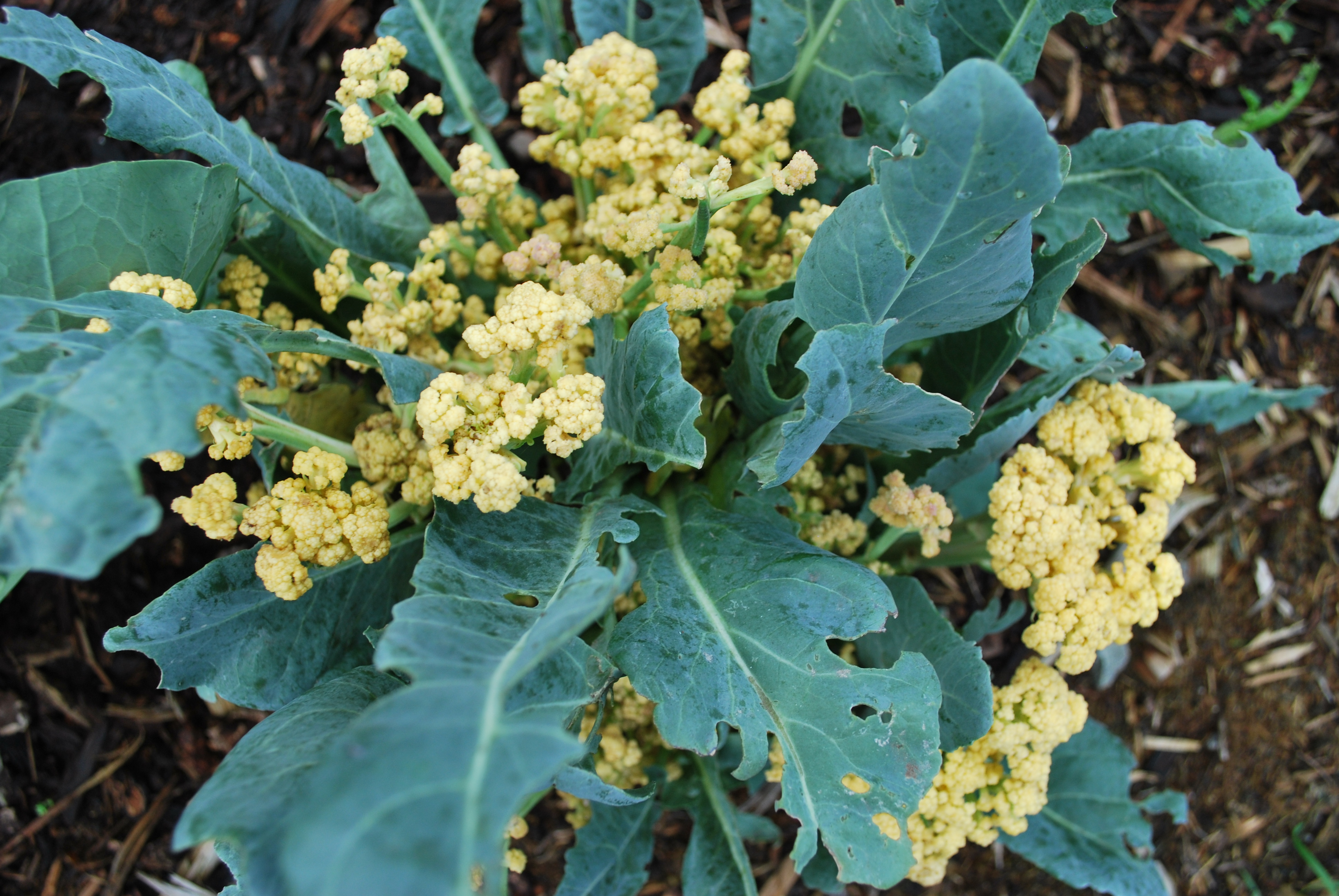
Unbelievably, I actually have purple cauliflower! I wasn’t expecting these guys to survive the slugs but somehow they powered through and have formed a few small heads. The variety is called “graffiti”. I planted orange cauliflower at the same time, “cheddar”, but somehow they decided to do this:

DSC_0102Oh well. The ducks and chickens sure enjoy them!

DSC_0004These are arugula seedlings that were planted last week in a few big containers recently vacated by tomatoes and cukes. They seem to enjoy the cooler weather and if I can keep them growing for another month or so I’ll be super happy because I love using it in salads and sandwiches.

DSC_0001My neighbors have a giant English laurel hedge that borders on my property. Since I’ve read that it roots well as cuttings, I decided to take a few so I can plant a hedge next year that will eventually grow to hide a chain link fence and a view of the train tracks.

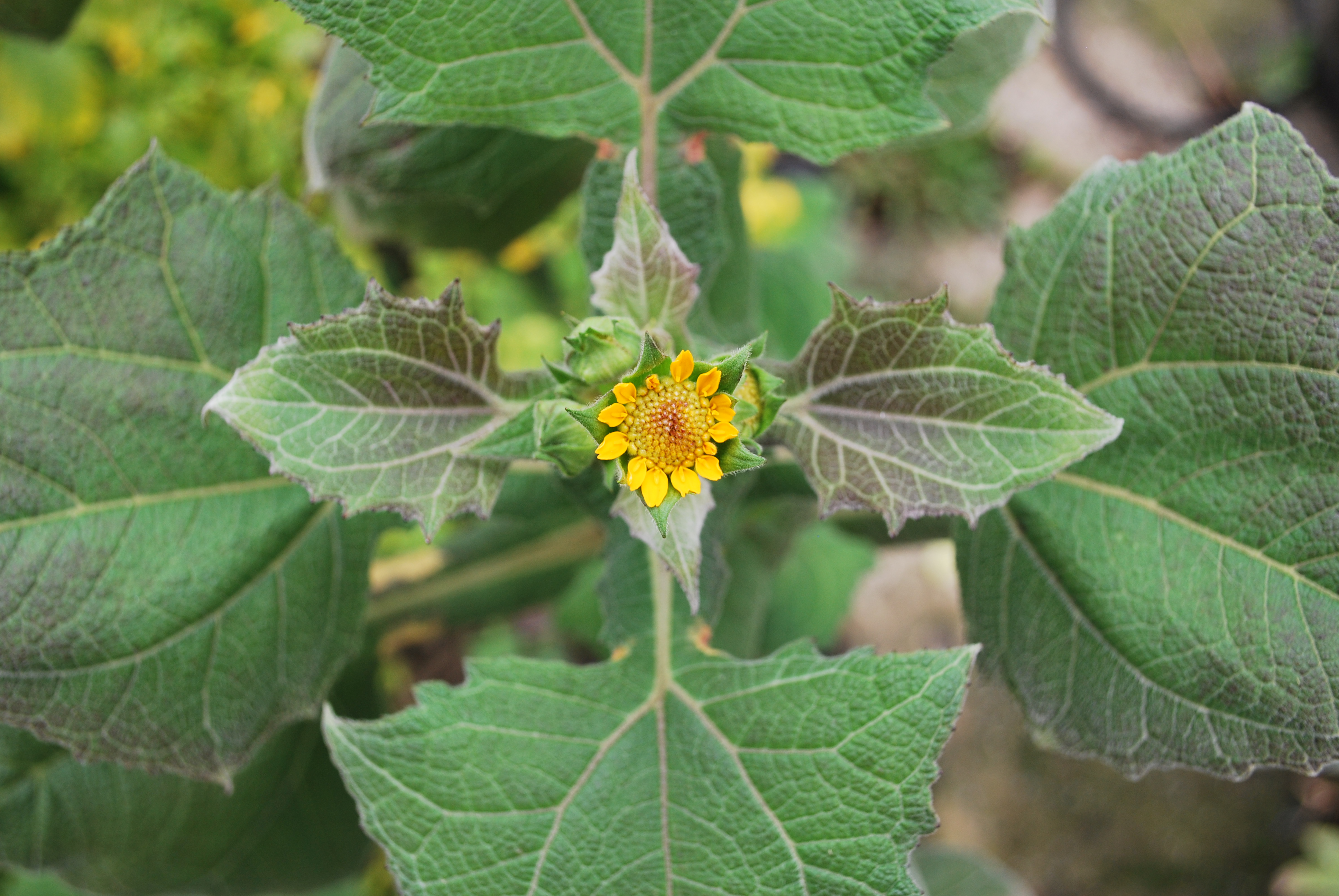
DSC_0002And here is the first little flower to appear on the yacon plant. I wasn’t sure we’d get any flowers this year as it was in a container, but it seems determined to bloom before it’s killed off by frost. I love the symmetrical leaves on this Peruvian tuber.

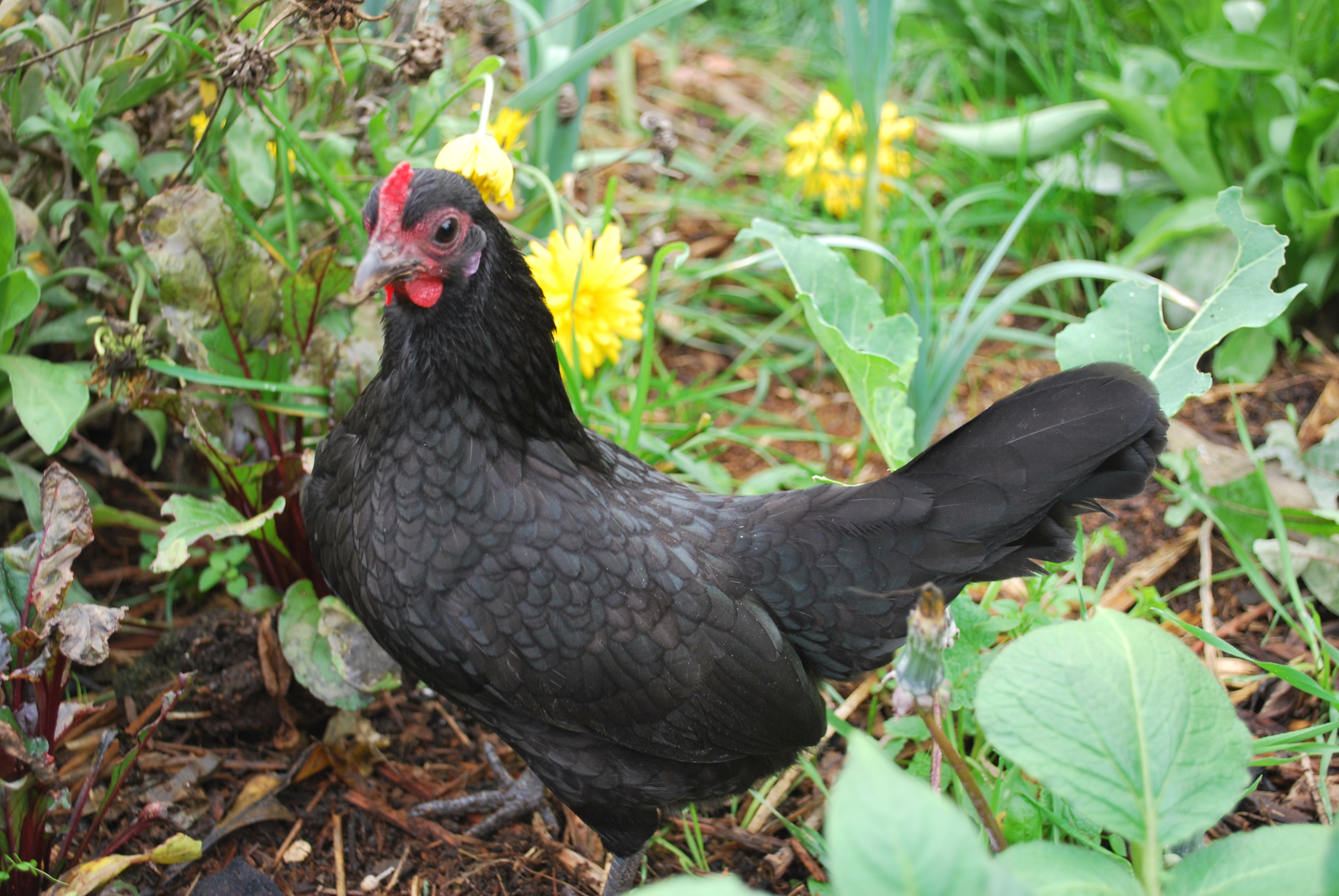
DSC_0003And last of course is adorable Tiny Chicken, who is my faithful gardening companion. She is always full of advice on any topic and makes sure to dispatch any worms I might dislodge.

DSC_0105

Second Broken Rex Litter

DSC_0032Bluefin broke a record with her first broken litter and had them at 33 days. So far that’s the longest gestation period we’ve ever seen here.

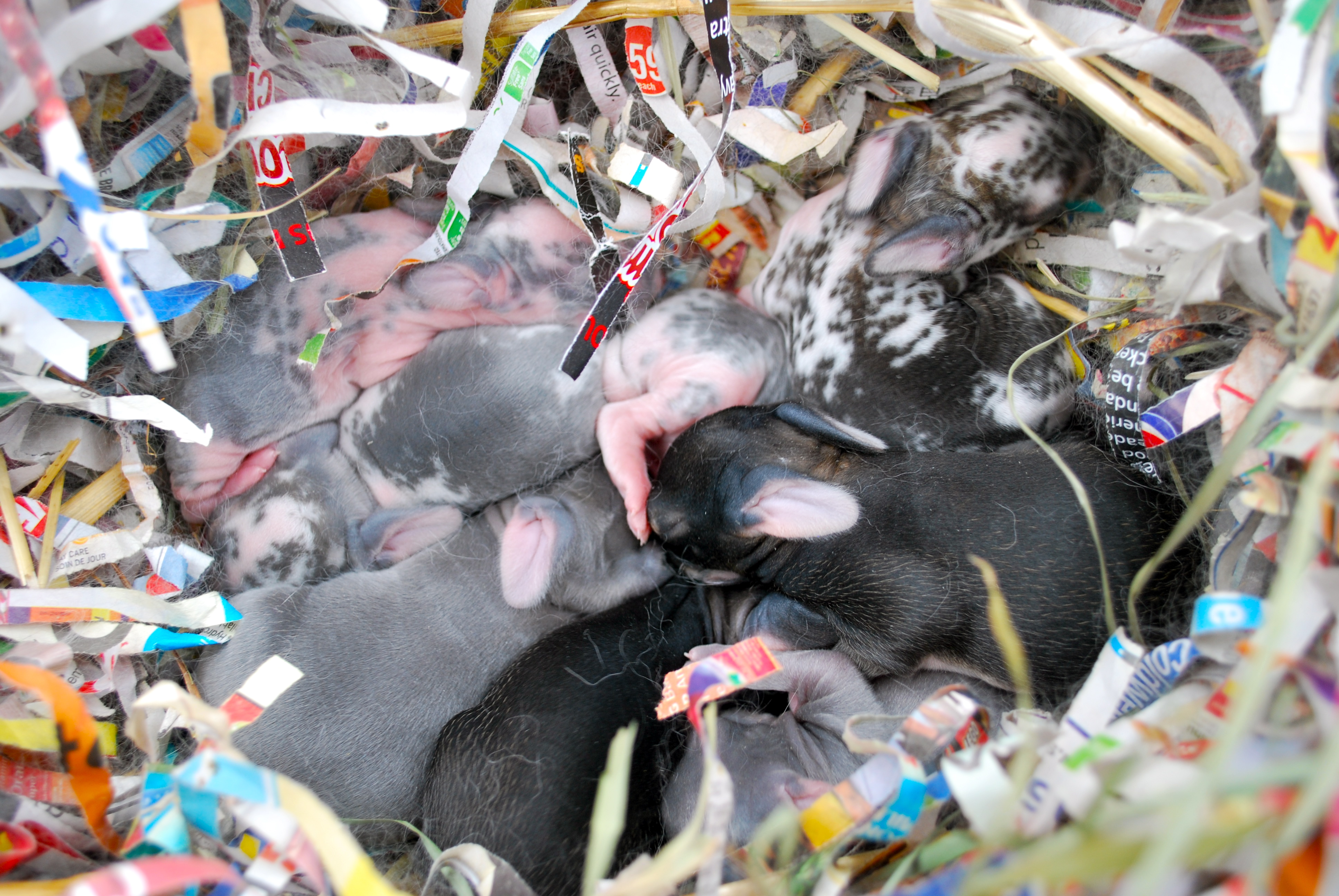
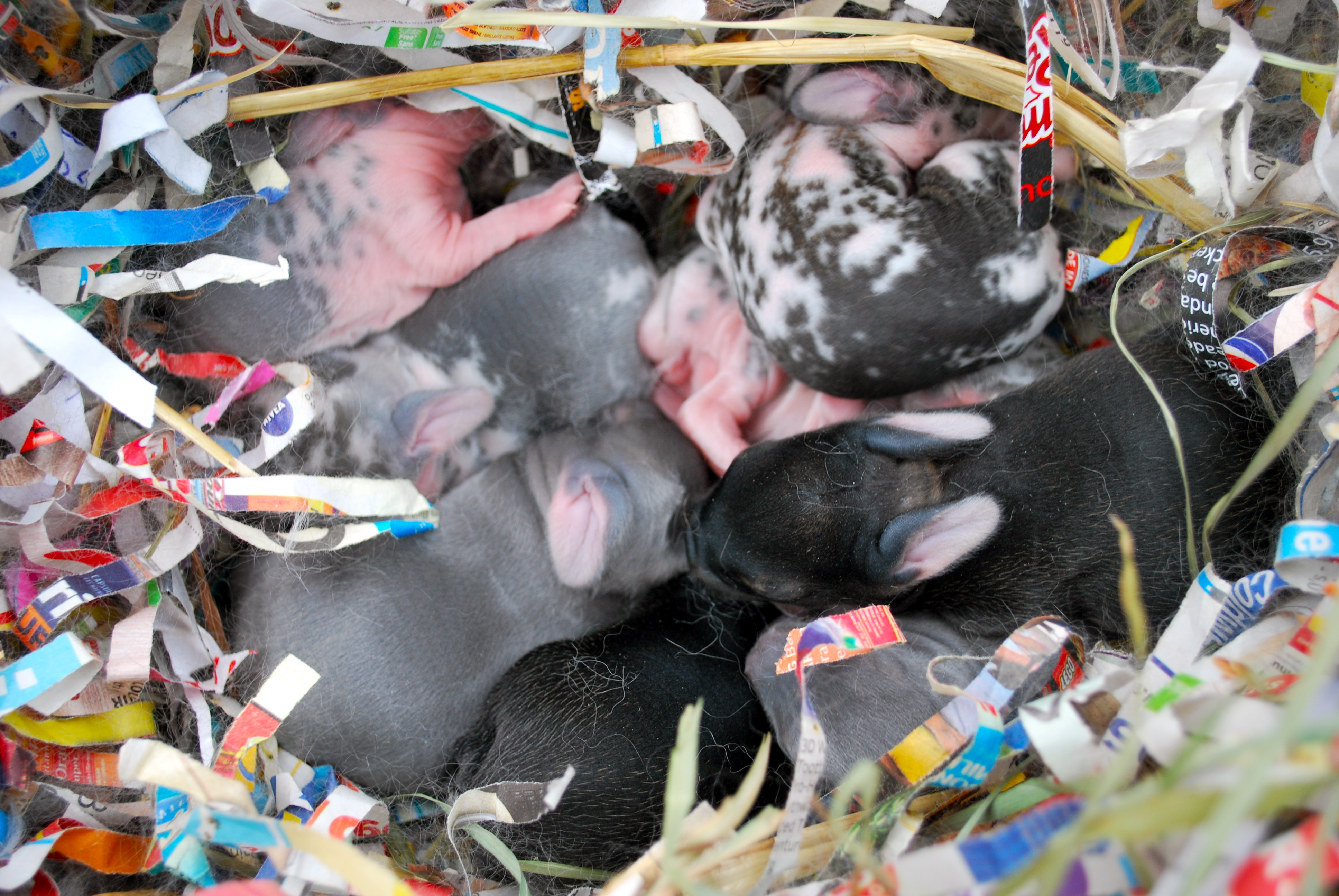
But I don’t mind as long as everyone is healthy. She had eight beautiful little bunnies that are a combination of what look like mostly blues, broken blues, black otter and one broken castor. The blues might turn out to be opals too, we’ll have to wait a few weeks to see what develops.

The one broken castor is very cute and has a lovely intricate pattern with a stripe down his back.

DSC_0036Bluefin barely pulled any fur at all this time around, so it’s a good thing the days and nights are still pretty warm. In any case, they have lots of cozy bedding and each other to keep them comfortable.

DSC_0030

Storm Before the Calm – The Garden

DSC_0003

A string of habaneros

We had such a dry summer this year that my garden did not do as well as it should have. Since I don’t have any irrigation set up yet and half my crops were in containers this year, even daily watering just wasn’t enough to get the kind of production I was expecting. I still did very well compared to my first two summers when there were zero gardens here and everything needed to be done from scratch, so I’m not complaining.

DSC_0020

Kale seedlings in the lawn

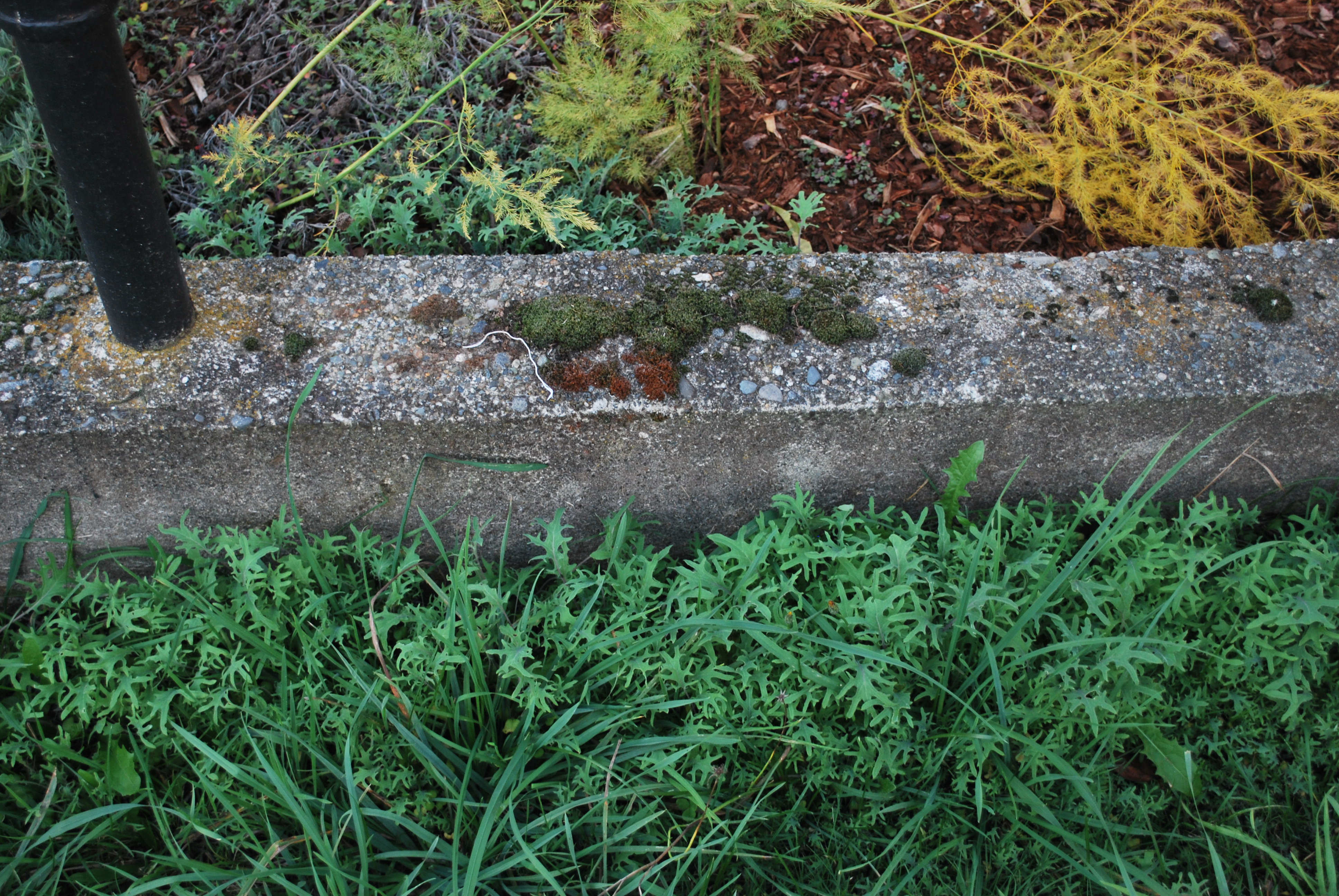
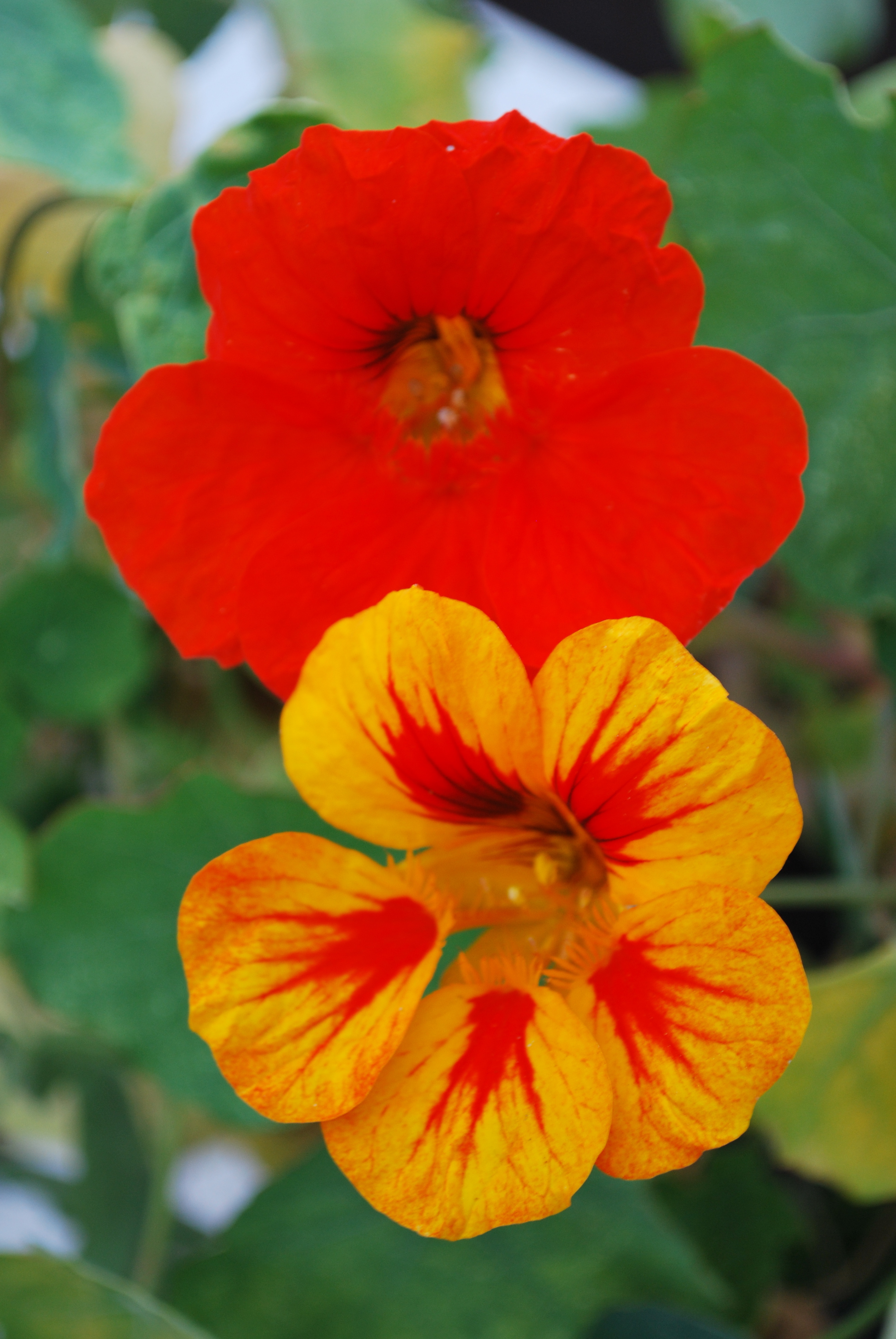
Now that it’s cooler and the rains have finally decided to fall on us again, a lot of my garden is exploding with new growth. My cilantro looks like the grocery store variety for the first time ever, I have about a billion Red Russian kale seedlings popping up all over the place, the arugula is back in full force after seeding itself, and the celery and artichoke plants are growing as fast as they can. The optimistic tomatillo plants have more flowers than leaves, the nasturtiums are twining everywhere, the Lacinato kale is huge and the leeks are putting on girth.

DSC_0002

Spicy nasturtium blooms

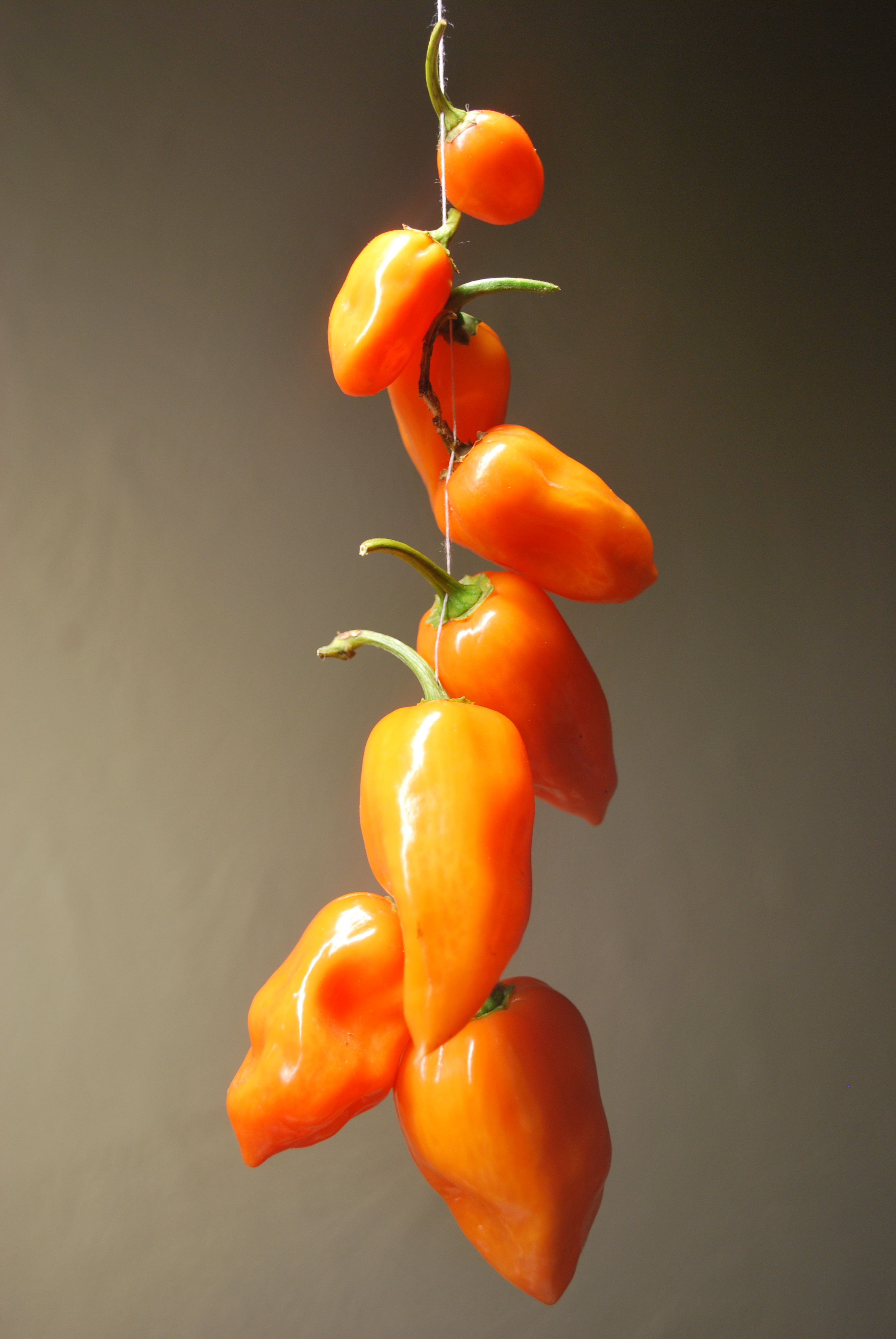
My lone habanero plant did well, and I have been collecting little orange peppers and hanging them to dry. I got a handful of poblanos and a bunch of jalapenos as well, and I’m going to bring my plants inside before it gets frosty and try to keep them alive over the winter. I foresee a fungus gnat infestation in my future… Hope I’m wrong!

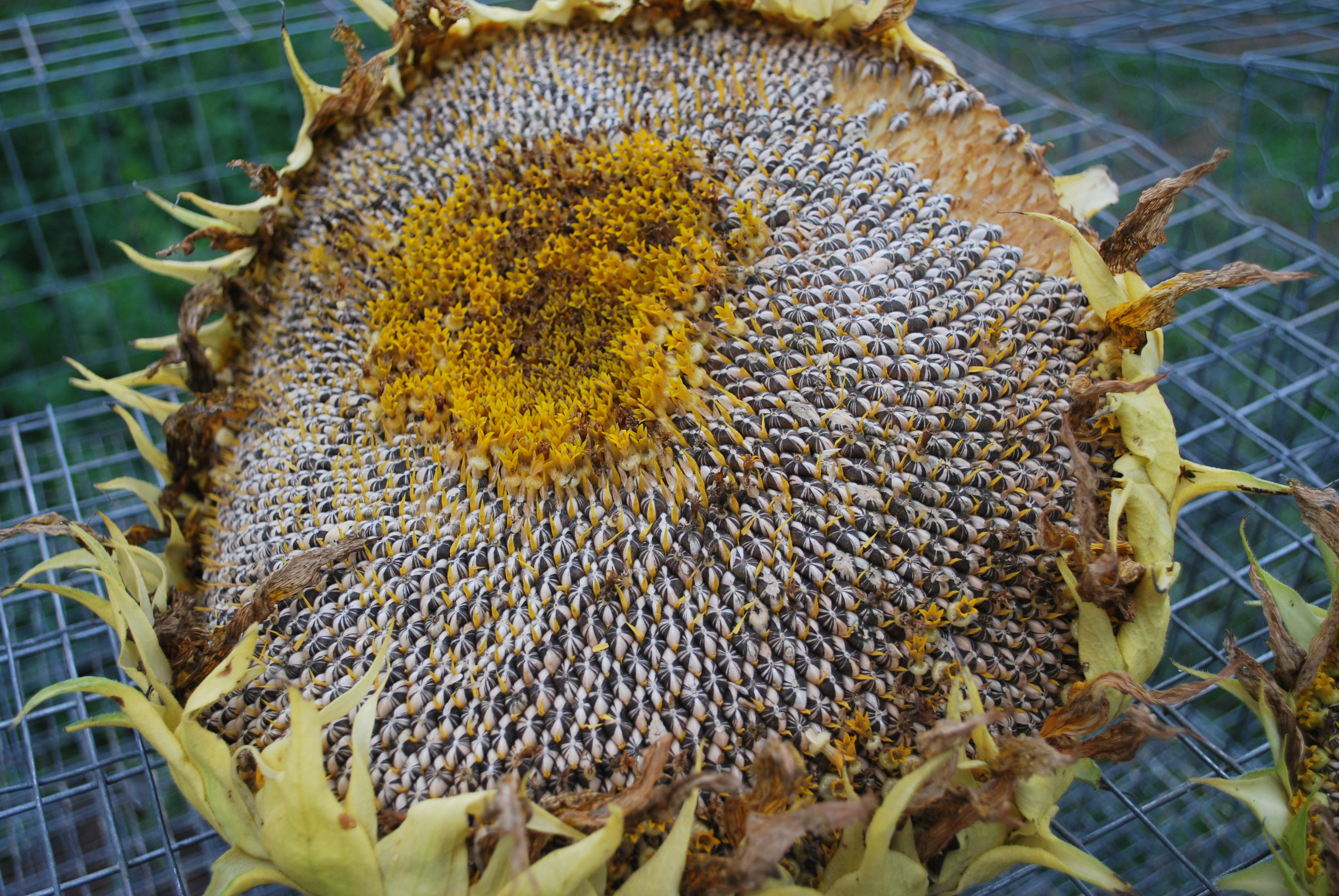
DSC_0013A few plants have departed, the tomatoes are long gone and their skeletons have been picked clean by chickens and ducks. The okra is brown mush after a pitiful harvest of of about six pods, and the cucumbers are toast. The Mammoth Russian sunflowers in the ground did pretty well and were cut down. I’ve saved a few heads for growing more. DSC_0001

I discovered this year that rabbits LOVE eating sunflower plants, so I’ll be planting a large crop of them next year, along with the black oil type. Even the dead brown sunflower leaves seem to be considered a treat and they store well along with being cheap, easy to grow and drought tolerant. It’s also neat to see their heads turning to look at the sun all day long.

A Gift

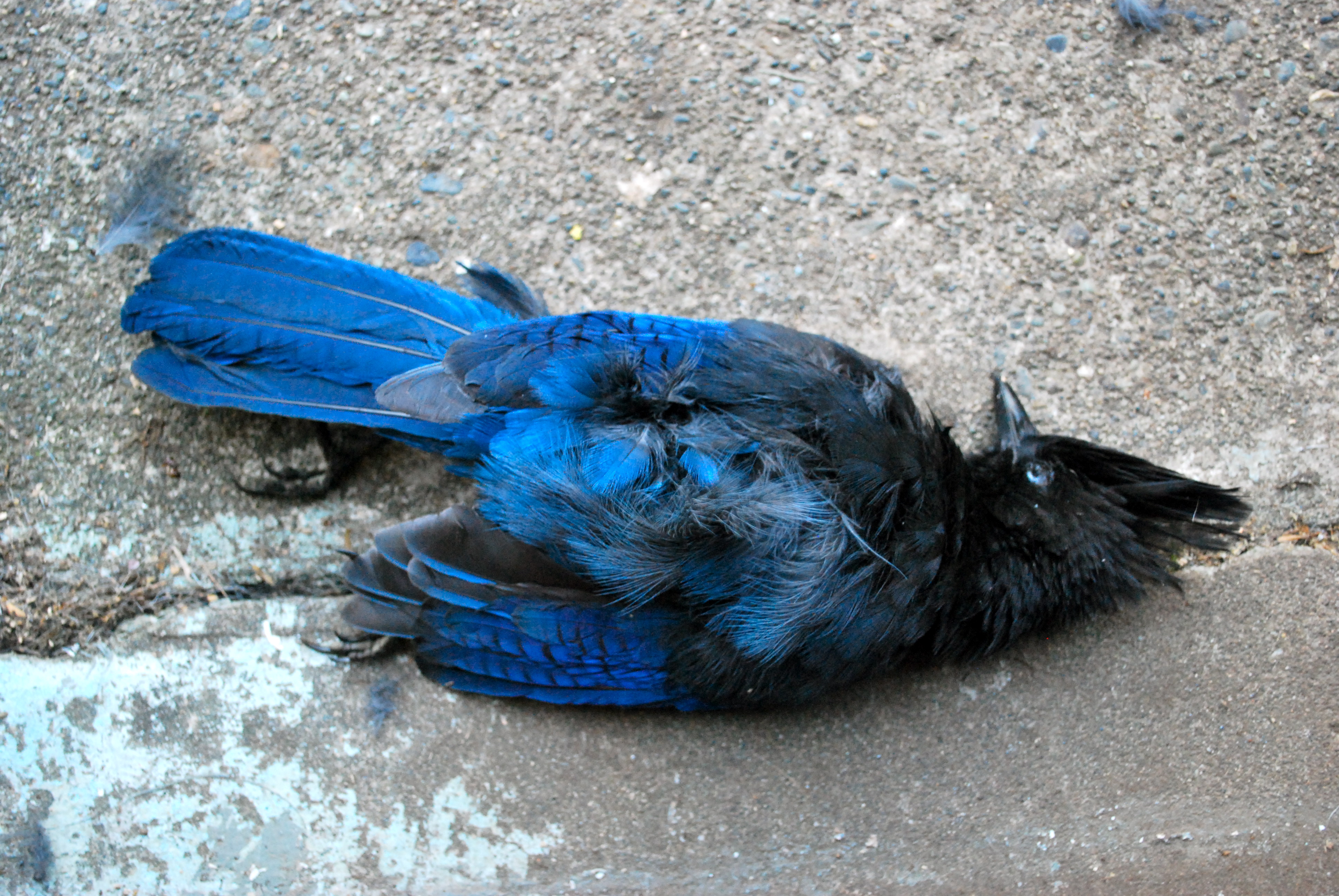
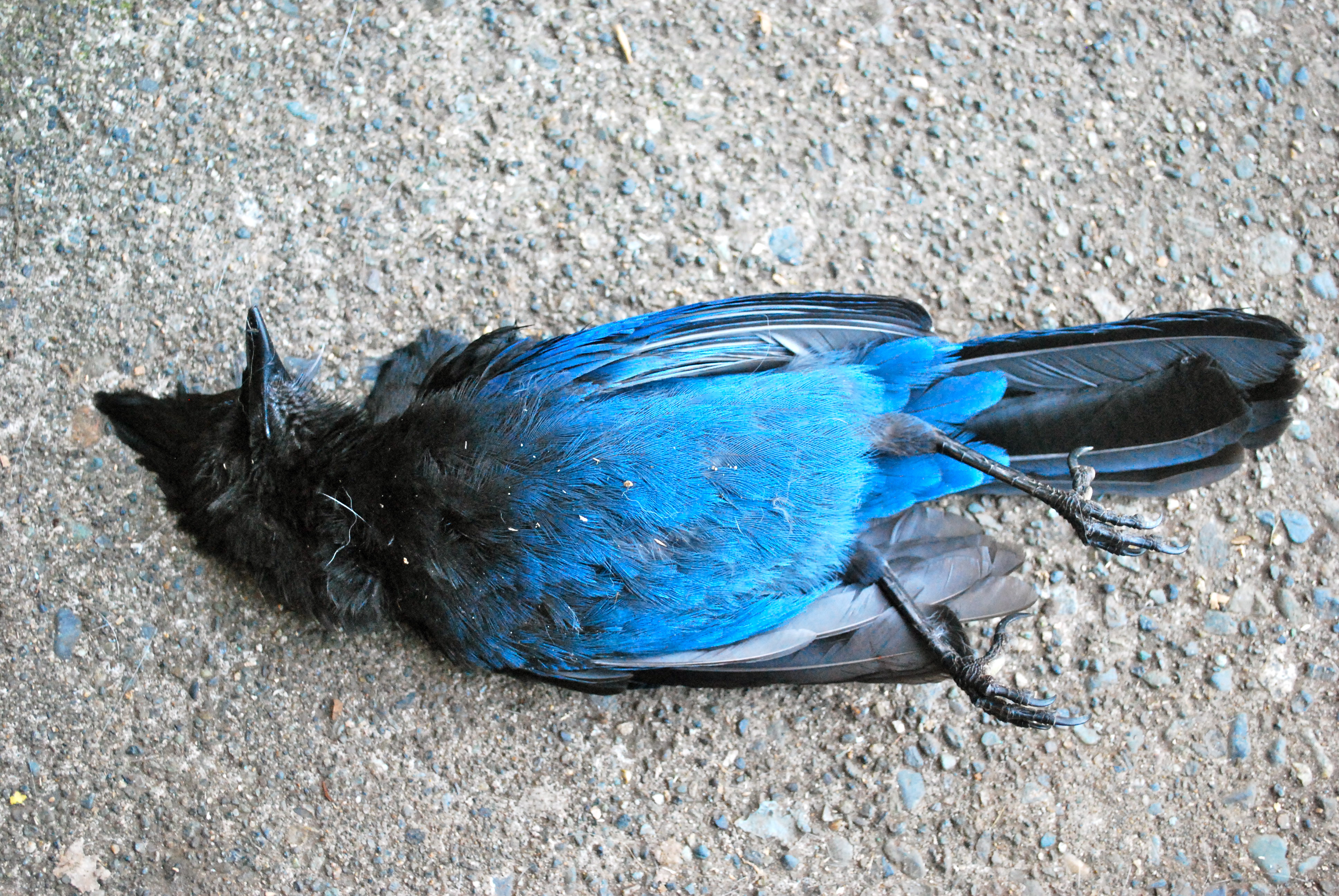
DSC_0004I came home last week to a small gift left for me outside my back door. It was obviously left by Parsley the cat, who is the resident small game hunter around here.

DSC_0003I’m not overjoyed that this Stellar’s Jay had to die, but I’m grateful for the opportunity to see one up close as I like them a lot. I don’t remember ever seeing one back east when I was growing up so they are a little bit special to me. I heard somewhere recently that no birds have blue pigmented feathers, they just have tiny random structures on them that scatter light and appear blue to our eyes. Well this guy sure appears to be pretty darn blue.

DSC_0006I’ve decided that I’m going to try to preserve this little bird with taxidermy. It will be my first try at this interesting art, and I hope I do him justice. He’s in pretty good shape since Parsley usually tries to keep gift birds alive for me, but I guess I came home a little too late for this dude. I’m sure he put up a good fight. He will be relaxing at the ever-popular Freezer Camp until I’m ready to process him.

I think knowing how to taxidermy will be a fun and rewarding skill. I’m planning to teach myself via Youtube, like I learn how to do most things. Wish me luck!

DSC_0007

Our Bunnies are Finally Broken

DSC_0034For the first time ever we have broken rabbits here at Abernathy’s!

Broken of course refers to a spotted coat color. So far we have had nothing but solids, otters and agoutis born here. Today, my new pedigreed Standard Rex doe Opal (who is coincidentally also an opal color) kindled her first litter sired by my new broken buck, Pine Tar.

She was a day late and kindled on day 32, and my other Rex doe Bluefin, who was bred at the same time to the same buck is also late and will probably kindle tonight. Can’t wait to see what she’s going to throw!

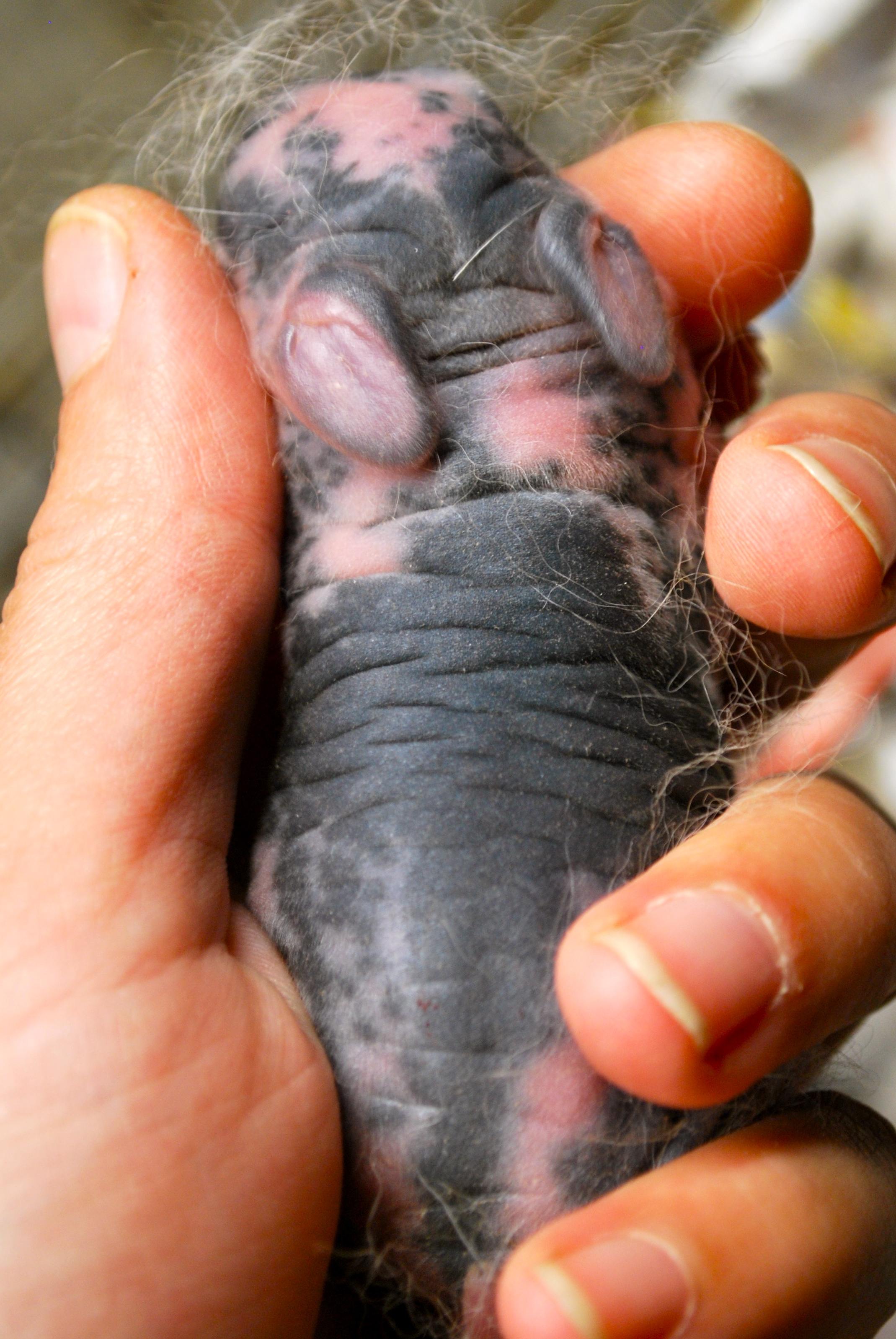
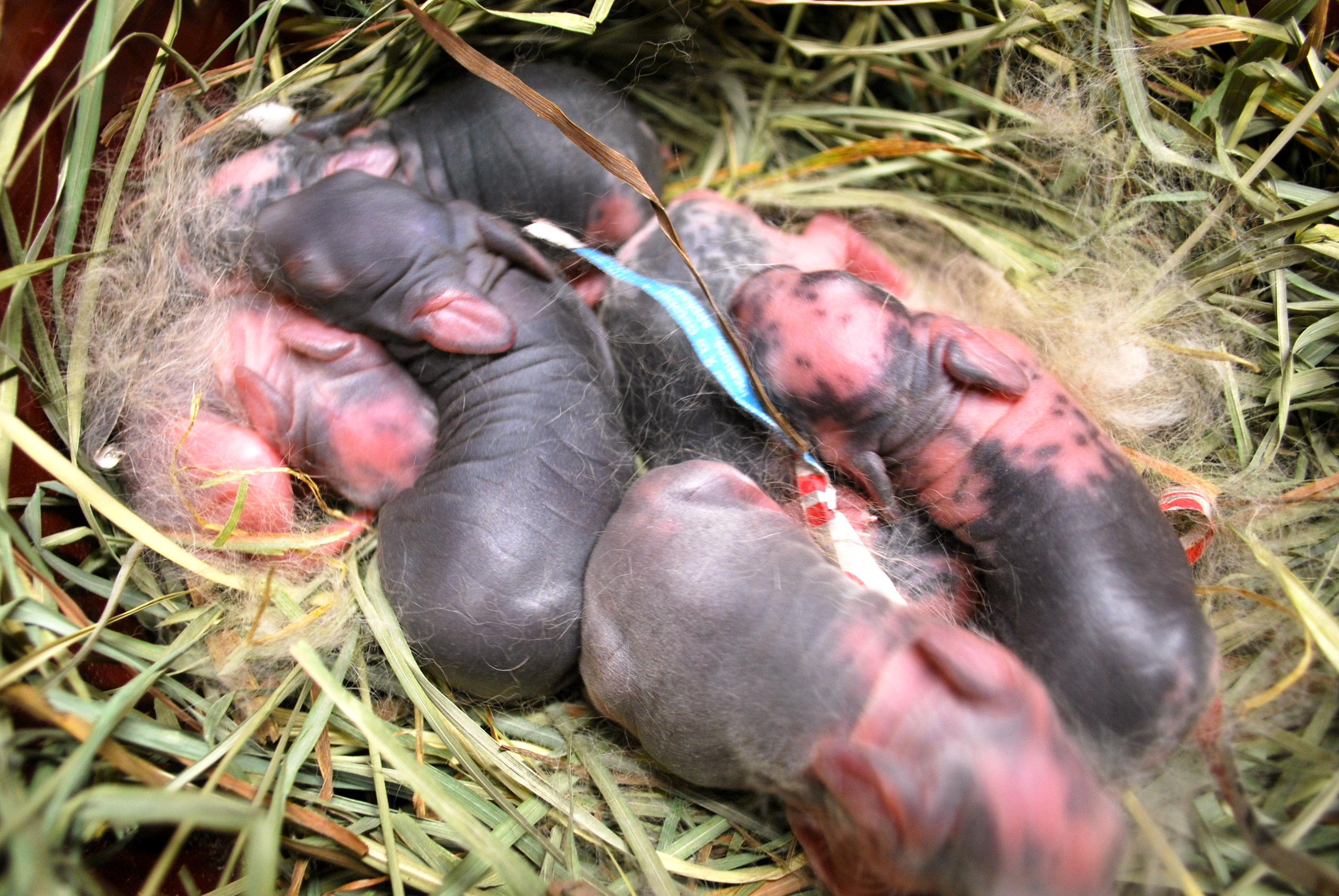
DSC_0026These little bunnies are just so gorgeous! There were six smaller-sized kits born in the nestbox this evening. Originally Opal had decided to move the location of her nest to the cage floor, and relocated all the nesting material there. I stuffed it all back into the nestbox the next day and she seemed fine with that, pulled fur and had her babies where she was supposed to. Since this is my first experience breeding her, it’s good to see she’s a sensible rabbit.

DSC_0027There seems to be some broken opals, broken castors, and a solid castor. These are really just guesses though based on the colors of the parents. I can’t wait to watch them grow out! The little spotty coat patterns look so beautiful when they’re tiny like this, like how a shrinky dink looks better once it’s been shrunk. I’m sure they’ll make very attractive adults too, but their patterns look so intricate and perfect at this age.

Another first here at the rabbitry is that these six little kits are the first fully pedigreed and papered rabbits to be born here! Yay! Both parents are from a very reputable local rabbitry and were specially selected to make a good breeding match based on their background genetics. Here’s to lots more fully-pedigreed buns!

DSC_0012

Proud momma Opal

The Foster Litter

DSC_0010You might remember that we lost one of our senior rabbits not long ago, right after she had kindled a litter. Using what I have now dubbed my Foster Juggling technique, I was actually able to save every single kit! So now there are 22 healthy and happy seven week old baby bunnies that were raised by only two moms. Fantastic! Now to get them out of here!

These kits are all Standard Rex/Californian crosses and Creme d’Argent/Californian crosses. The Creme crosses are nothing new, we have bred them several times and they grow into large, friendly rabbits in shades of agouti, dark brown and black. I love these crosses and I am growing a few out to see how they do as breeders.

DSC_0009The Rex/Cal crosses are new, and they are interesting little bunnies. Some of them look very much like Silver Martens, while others have the tan and white markings of a Black Otter Rex. A few even have extra soft and shiny coats which must be a result of the Rex fur genetics, although actual Rex fur does not show up in the first generation. I love how chunky these kits have turned out to be, with large heads and glossy, compact little bodies.

All of the babies from all three litters are black or dark brown this time except for one little agouti girl. This is pretty much because genetically Californians are actually black rabbits although they are white-furred.

DSC_0007It was getting crowded in there so today I did a little bit of sexing and reorganizing of bunnies to give everyone a bit more breathing room. Some bunnies will now be enjoying tractor life, where they get moved to fresh grass each day. The smallest ones will be living with their moms for a while longer and enjoying garden trimmings like sunflower leaves and stalks and rosemary clippings.

Since I’m planning a trip soon to visit my brand-new nephew, I would love to rehome these bunnies as soon as possible. They’re all on sale for $20 each, both bucks and does.

DSC_0004

Free Range Quail Experiment

DSC_0006I have all of next season’s breeding quail weighed and selected for size and color, and I was left with 30 young birds that didn’t make the cut. I put them up for sale at a discounted price but since laying season is coming to a close, there wasn’t much interest. Even despite the fact that with a little supplemental lighting they would lay well through winter. So I butchered some, and with the birds I had left, I decided to try a little experiment.
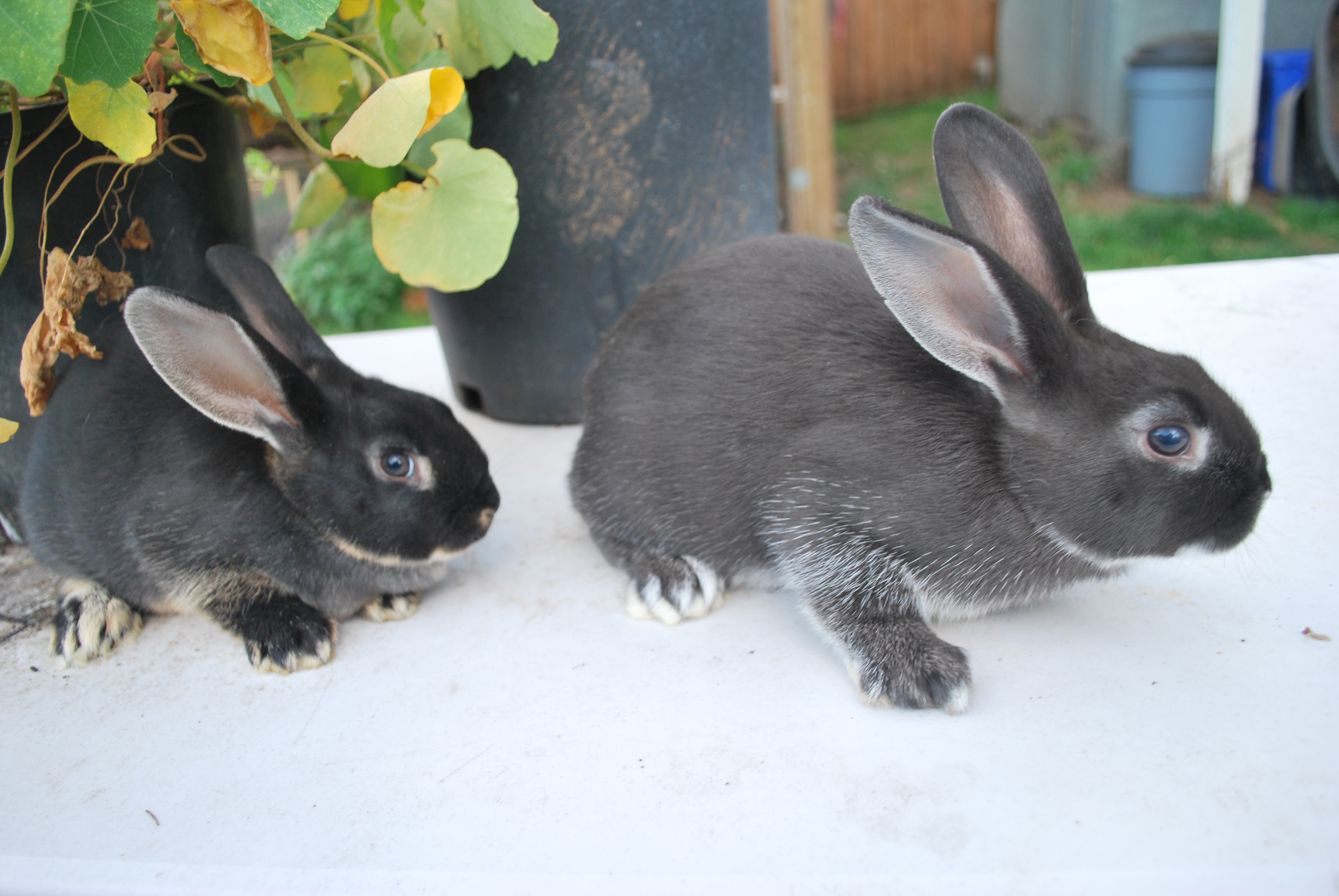
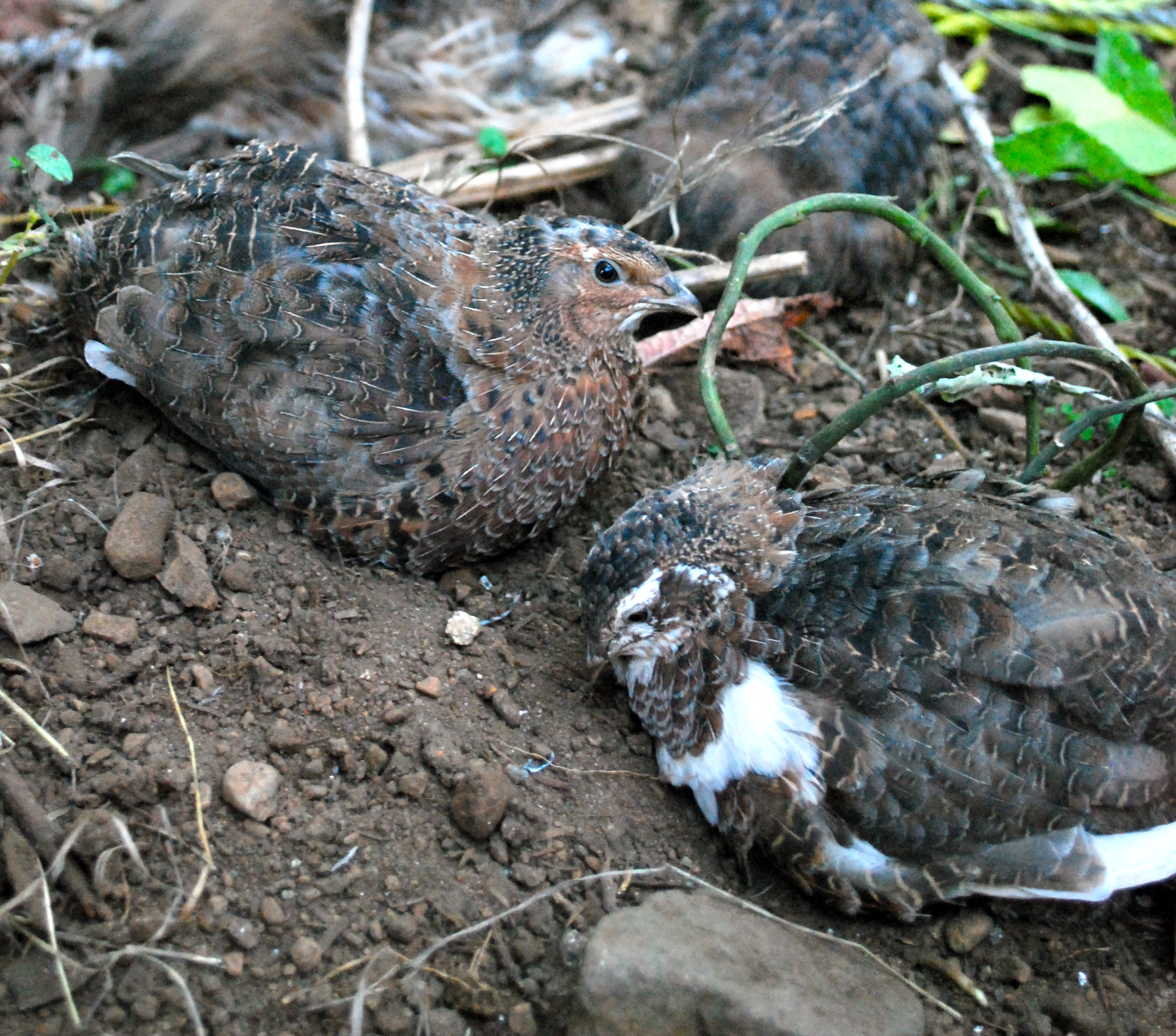
I took a dozen of the mostly wild type and Tibetan colored birds and set them free near where they’d been housed. It’s a sheltered area at the back of the barn under a few large lilacs in my fully-fenced yard. I do have cats and dogs that roam around, and my cats do sometimes kill birds, so I was interested to see what they’d do. Luckily, there have been no issues at all. The cats and quail are used to seeing each other around and the quail just don’t run so the cats don’t bother to chase. The dogs have also left them completely alone.

The quail seemed very happy to be free, and immediately started dust bathing like their lives depended on it. I had to make sure not to step on them as I walked around the yard because they blend in so well and had no fear of me. I set up a little food and water station for them which they haven’t used much.

This morning I woke up and they were all over my compost pile, happily scratching away in the sunshine. Most of them are still hanging around the same area they were released from after 24 hours. I’ll be very interested to follow their progress and see how they do over the winter. DSC_0015